
Tuscany · Italy
The most famous wine country in Italy, and still full of doors only a few people get to knock on.
The ones that lead to a kitchen where the grandmother still cooks Sunday lunch. The table where the winemaker pours from a bottle he keeps for friends. That is the week we build.
Tell us about your dream trip →Why we come back here
Because Tuscany keeps opening up.
Tuscany rewards the first visit and the fifth in different ways. On the surface, the cypress roads, the Val d'Orcia, the walls of Siena going gold, you only need to arrive. Under the surface is where it gets interesting.
The same Sangiovese grape makes five different wines depending on which hill it grows on. The bread is unsalted for a reason that makes sense by the third plate it is served with. Olive oil from November is bright and green and a little peppery; by March, the same oil has rounded out into something softer. The families behind the bottles are still here, four or five generations in, and once you have sat at their table, they remember you for next time.
Whether this is your first trip to Tuscany or your fifth, we find the mix that is right for you on a private, tailor-made journey. The ones worth seeing the first time. The ones worth coming back for. Both, if you have got a week.
The flavour of the place
Sangiovese, cypress, olive oil, and a bread that never has salt in it.
The wine
One grape, Sangiovese, telling a different story on every hill: Brunello, Chianti Classico, Vino Nobile, and the Super Tuscans of the coast.
The food
Simpler than you expect. Unsalted bread, ribollita, and a bistecca dressed in nothing but olive oil.
The landscape
Cypress roads and the Val d'Orcia. Vines turning red and gold in late October, quieter and more beautiful than the photographs.
The olive oil
Bright, green, and peppery in November; rounder by March. The same oil, almost two different things.
Tuscany wine regions explained
One grape, five stories.
Sangiovese is the thread that runs through Tuscany. Where it grows, and who grows it, changes everything in the glass.
What makes Brunello different from Chianti Classico
Brunello di Montalcino is 100% Sangiovese Grosso, the quietest and most serious face of the grape, built to age for decades. Chianti Classico, the historic heart of Tuscany marked by the black rooster, is the everyday wine: brighter, more savoury, made to be opened young. Same grape, two temperaments. We taste them side by side so the difference lands in your mouth, not just on paper.
The structured one
From the hill town of Montepulciano, firmer and more tightly wound than Chianti, a wine that has been served at noble tables since the Renaissance. It rewards a long lunch and a little patience.
Where the coast rewrote the rules
On the coast at Bolgheri, in the 1940s, one family planted Cabernet Sauvignon for their own table and, without meaning to, invented the Super Tuscan. Today it is some of Italy's most collected wine. We visit the estates that rarely open, with someone from the family pouring.
Val d'Orcia, San Gimignano, and the hills between
The cypress roads of the Val d'Orcia, the towers of San Gimignano, the walls of Siena going gold at dusk. The vines turn red and gold during the vendemmia in late October, the olive harvest follows a week later, and the first white truffles come out of the ground in November. The landscape is not a backdrop here. It is the reason the wine and the food taste the way they do.
One day, in detail
To give you the feel.
A real day from a recent Tuscany trip, built from the producers and experiences we know here.
Coffee on the terrace of the small hotel in Montalcino. The sun is still low, the valley half in fog, half in gold. Bread, fig jam, two kinds of cheese, a boiled egg. Enough to wake the body, not enough to slow it down.
The producer is waiting by the gate. He pours a Rosso di Montalcino before you have finished walking in. Forty barrels, a dog named Bruno, a window onto vines older than any of you. He talks about Sangiovese the way a farmer talks about family.
A family press, four generations at the same mill. You taste three oils side by side and understand why olive oil has vintages. Lunch under a pergola: bread, oil, pecorino with chestnut honey, pici with wild boar ragù. A glass of their wine. Then another.
Back in the car, slowly. The road climbs to a medieval village built into the hill. No ticket office, no gift shop, just a piazza where two old men play cards. Coffee at the bar. A photograph nobody asks you to take.
Dinner inside the walls of a hilltop town, eleven tables, the owner greets our guide by name. A ribollita thicker than any soup you have met, a bistecca shared between three, a panna cotta the kitchen sends out unasked. Somebody is singing above the alley.
Full sample itinerary available as a PDF.
See the full five-day sample itinerary →Who opens their doors to us here
Friends, twenty years in.
The olive oil family
The family who makes olive oil in Montalcino. Four generations at the same press. Their oil goes to the same people every year, and to the friends we bring them. Lunch is on a wooden table under a pergola. The bread is from that morning. The oil is two weeks old.
The winemaker in Chianti
The winemaker in Chianti Classico who still answers his own phone. He drives a tractor that is older than his daughter. He pours Riservas he has been holding back for fifteen years, because you are here, and it is Tuesday, and he wants to.
The chef south of Siena
The chef in a village south of Siena who learned to cook from her mother, who learned from hers. Her restaurant has seven tables. The menu changes by what came out of the garden that morning. You are a regular the second time you come.
The truffle hunter
Into the oak woods outside San Miniato before the light is up, with a hunter and his dog who read the ground like a map. Whatever they find at dawn is on your table by lunch.
The pecorino family
A small farm on the hills above Pienza. Cheese pulled from the cellar, aged in ash and chestnut leaves, cut at the table with bread and a glass of something they keep for themselves.
The estate that rarely opens
A name you know from restaurant lists. Someone from the family walks you through the cellar, past the bottles that are not for sale, and pours one anyway, because you came with us.
When to come
Every season is Tuscany. Some are more Tuscany than others.
Spring
The countryside is green, the wildflowers are out, the crowds haven't arrived. Wineries are quiet. The food shifts to fava beans, artichokes, the first lamb. The best light of the year for photography, if that matters to you.
Summer
Hot, sometimes very hot, and busy. The coast is where most Italians go. The hill towns empty out at midday. In summer we lean towards Bolgheri and the coast: long lunches in the shade, swimming, dinner after nine when the heat breaks.
Autumn
The best time, in our opinion. Harvest happens in September. The leaves turn in October. The first white truffles come out in November. Every table has something on it that wasn't there the week before. Most of our private trips happen now.
Winter
Quiet, cold, and deeply Tuscan. Wineries have time to talk. Restaurants cook heavier, wild boar ragù, pappardelle, bean soups. The coast is empty. Florence is less crowded than it's been all year.
Tuscany vs Piemonte
Which one fits you better?
The two great wine regions of Italy ask for different moods. Our private wine and culinary journeys are built either way, around you and the people you came with. Here is how we think about the choice.
Tuscany
Sun, stone, and the long lunchGolden, open, generous. A place that rewards slowing down.
Sangiovese in many voices: Brunello, Chianti Classico, Vino Nobile, the Super Tuscans of Bolgheri.
Cypress roads, the Val d'Orcia, hill towns like Montalcino and San Gimignano.
Unsalted bread, ribollita, pappa al pomodoro, bistecca, pecorino, olive oil pressed that week.
First-timers to Italy, families, food lovers, and anyone who wants warmth and ease.
Piemonte
Fog, focus, and the serious glassQuieter, foggier, more inward. A region for people who like the detail.
Nebbiolo at its most profound: Barolo and Barbaresco, plus Barbera and Dolcetto for the table.
The Langhe hills, hazelnut groves, and autumn fog rolling through the vineyards.
White truffle, tajarin, vitello tonnato, raw veal, and the slow richness of the cold months.
Returning wine lovers, collectors, and travellers chasing the great bottles.
Drawn to the fog and the great bottles? Read about Piedmont. Want to stay in Italy a little longer? Umbria sits quietly just across the border.
The invitation
The Tuscany everyone pictures, and the one we bring you into.
Tell us about the people coming. The time of year that works. What you're quietly hoping to come home with. We'll come back with a shape of a trip, and we'll refine it together until it's yours.
A real person replies, usually the same day.
Tell us about your dream trip →Tuscany at a glance
The shape of a trip, in short.
- Ideal trip length
- Seven days. Five at a minimum, ten with the coast or Umbria added.
- Best seasons
- Late April to October. Harvest (the vendemmia) in September and October is the favourite.
- Closest airports
- Florence (FLR) and Pisa (PSA); Rome (FCO) for the south of the region.
- Pace of travel
- Unhurried. Built around how long a good lunch actually takes.
- Where you stay
- Family-run hotels inside the medieval walls, an agriturismo on a working farm, or a private villa with a cook.
- Wine focus
- Brunello di Montalcino, Chianti Classico, Vino Nobile di Montepulciano, Bolgheri Super Tuscans.
- Culinary focus
- Olive oil, pecorino, ribollita, pappa al pomodoro, bistecca, white truffle in autumn.
- Trip style
- Private, tailor-made, with insider access to producers we have known for twenty years.
- Best for couples
- Anniversaries, honeymoons, and a slow week with the phone away.
- Best for groups
- Milestone birthdays, oldest friends, and families around one long table.
- Best for collectors
- Private cellar visits and vintages that never leave the estate.
- Best for food lovers
- Truffle hunts, farmhouse kitchens, and lunches with the people who make the food.
A few things people tend to ask
About a trip to Tuscany.
How many days do we need for Tuscany?
Five is the minimum for the region to breathe. Seven is the sweet spot, enough to do the hills properly, and enough for a couple of days on the coast or in Florence. Ten if you want to add Umbria or a slower pace. Four works, too, if you focus on one area and resist the drive.
Where do people stay?
Our preference is small. Family-run hotels inside the medieval walls of towns like Montalcino, Montepulciano, or Siena. Or an agriturismo on a working farm, where breakfast comes from the kitchen of the family who owns the place. For some trips, a private villa with a cook. The grand hotels in Florence and Forte dei Marmi are beautiful, and we'll happily book them, but the magic of Tuscany usually lives in smaller places.
Can we visit the famous names?
Yes, and often we do. Antinori, Sassicaia, Ornellaia, the great Montalcino houses. Most trips include one or two of them, and four or five of the smaller producers we've been drinking with for years.
Is Florence worth a day?
A morning, almost always. A full day, often. Two days if you're drawn to the art. Our Florence day is usually built around the artisan workshops in the Oltrarno, a long lunch, and a guided hour or two at the Uffizi with someone who teaches there.
Can we rent a car and drive ourselves?
Some people do. The roads are good, the drives are short, and the countryside is made for it. Most of our guests prefer we handle the driving, a local guide or a driver, depending on the trip. It also means the winemaker can keep pouring, and you can keep tasting.
What about vegetarians at the table?
Tuscany is wonderful for vegetarians. Ribollita, pappa al pomodoro, pecorino, pasta with truffle or porcini, vegetable soups, white bean dishes. The farms we work with grow what they cook. We plan menus ahead with every producer, so everyone at your table is looked after.
When should we start planning?
Four to six months is comfortable for most regions. For Tuscany at harvest (September/October) or truffle season (November), start the conversation six to nine months out. The producers and small hotels we work with have small calendars, and they fill up early.
Is Tuscany good for people who are not wine experts?
Especially for them. You do not need to know Brunello from Chianti Classico when you arrive; you will by the time you leave, because you tasted them next to each other with the person who made them. Nobody quizzes you. The wine is a way into the place, not a test.
What are the best months to visit Tuscany for wine and food?
Late April through October. September and October are the favourite: the vendemmia (grape harvest) is on, the light turns golden, the hill towns are quieter. November brings the first white truffles. Spring is green and uncrowded. We travel here happily in every season for different reasons.
Is harvest season worth it?
It is our favourite time to be here. During the vendemmia the wineries are alive, the cellars smell of fermenting fruit, and producers are at their most generous even while they are at their busiest. It books out early, so it asks for more notice, but few weeks feel more alive.
What are the best months for truffles in Tuscany?
White truffles around San Miniato run from late October into December, with November the heart of the season. Black truffles appear at other points of the year. If a dawn truffle hunt with a hunter and his dog is on your list, autumn is the time to come.
Can Tuscany work as a honeymoon?
Beautifully. A villa with a cook, a private cellar dinner, a long lunch under a pergola, a slow drive through the Val d'Orcia at golden hour. We build the days with space in them, the phone away, nothing to rush towards.
Is Tuscany expensive?
It can be as quiet or as grand as you want. A private, tailor-made journey with insider access to producers is a real investment, and we are honest about that. What you are paying for is the table you could not book yourself and the people you could not meet on your own. We will always tell you where the money is worth spending and where it is not.
Should we combine Tuscany with Umbria?
Often, yes. Umbria sits just across the border, greener and quieter, with Sagrantino di Montefalco and a slower pulse. Ten days lets you give both room to breathe without rushing either.
What wines should we taste in Tuscany?
Brunello di Montalcino and its younger sibling Rosso di Montalcino, Chianti Classico (look for the black rooster), Vino Nobile di Montepulciano, the Super Tuscans of Bolgheri, and Vernaccia di San Gimignano if you want a white. We taste them where they are made, with the people who made them.
Are private winery visits possible?
That is the heart of what we do. Most of your visits are private, with the owner or winemaker, including estates that do not open to the public at all. It is the difference between a tasting-room flight and an afternoon in someone's cellar.
How physical are the days?
Gentle. Some walking through vineyards and hill towns on uneven stone, an optional dawn truffle hunt in the woods, otherwise short drives and long lunches. We pace the days to you, and there is always the option to do less.
What makes Brunello different from Chianti Classico?
Brunello di Montalcino is 100% Sangiovese Grosso, serious and built to age for decades. Chianti Classico, marked by the black rooster, is brighter and more savoury, made to drink younger. Same grape, two temperaments. We taste them side by side so the difference lands in your mouth, not just on paper.
Designed by Vinspiration
The people who open the doors.
Every Tuscany journey is built by hand by the two of us, from relationships with producers we have kept for two decades, not from a catalogue.
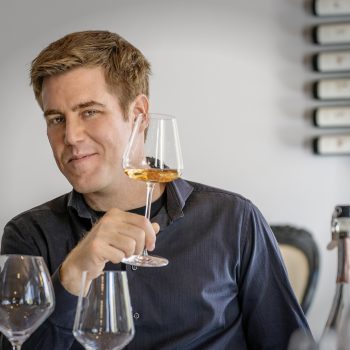
Guy Haran
Twenty years building wine journeys across Italy and beyond. A Riedel ambassador and WSET-trained wine educator, author of the book Wine Journey and host of the Wine is Basic podcast. The friendships that open the cellar doors in Montalcino, Chianti, and Bolgheri are his, built one harvest at a time.
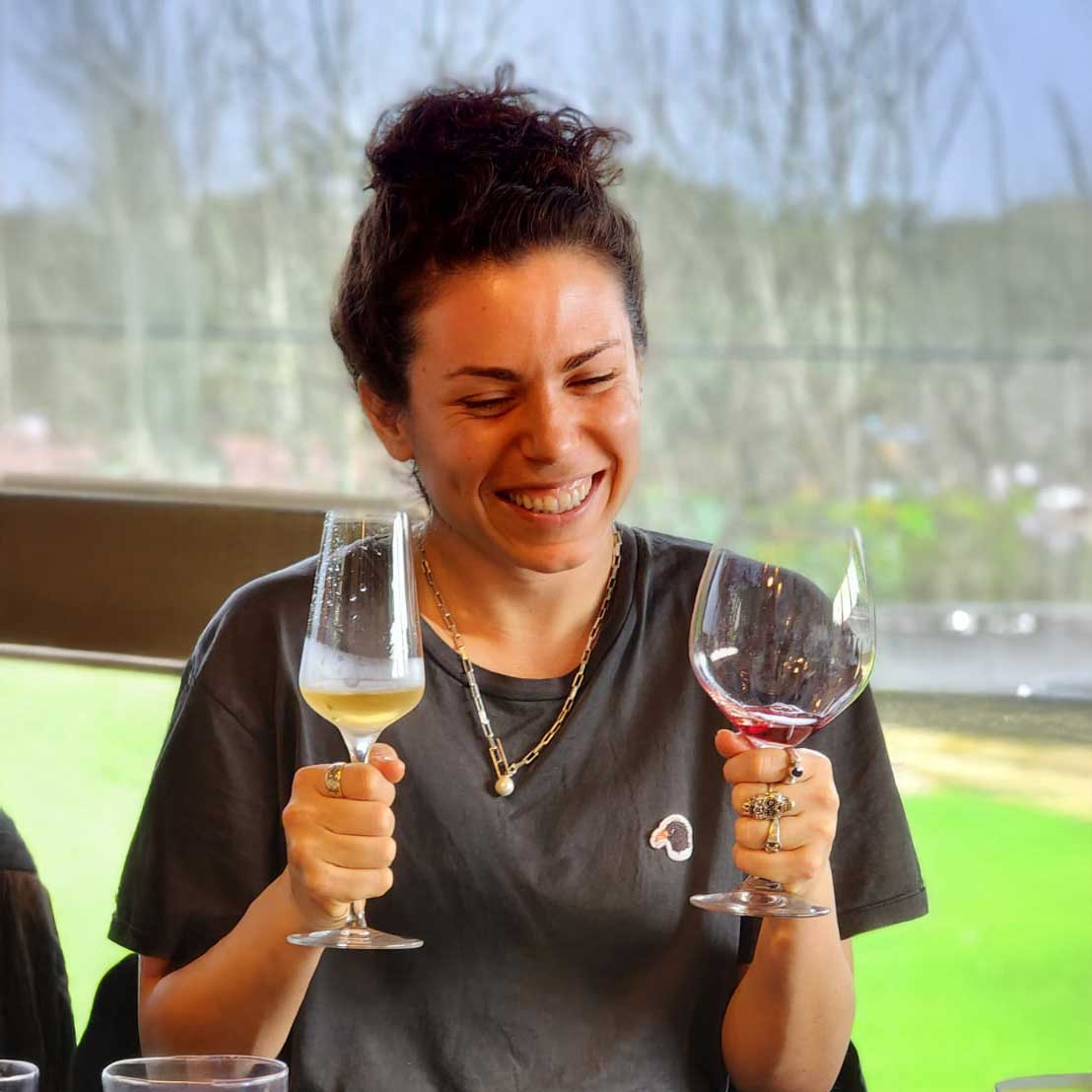
Mor Koral
An MSc in Gastronomy from the University of Gastronomic Sciences in Pollenzo, the Slow Food university, and a global winner of the Patrón Perfectionists bartending championship. She designs the rhythm of every trip: which lunch runs long, which winemaker you should meet, where the day should slow down.