VINSPIRATION Wine and Inspiration Ltd.
Company Policy and Regulations
Vinspiration Wine & Inspiration (the “Company”) specializes in wine & culinary experience tourism in wine regions in Israel as well as globally. In addition, the Company promotes wine culture in general and “Israel as a wine country” in particular and initiates and/or is involved in any wine-related activity it deems fit (the “Company’s Activities”).
Wine Tours
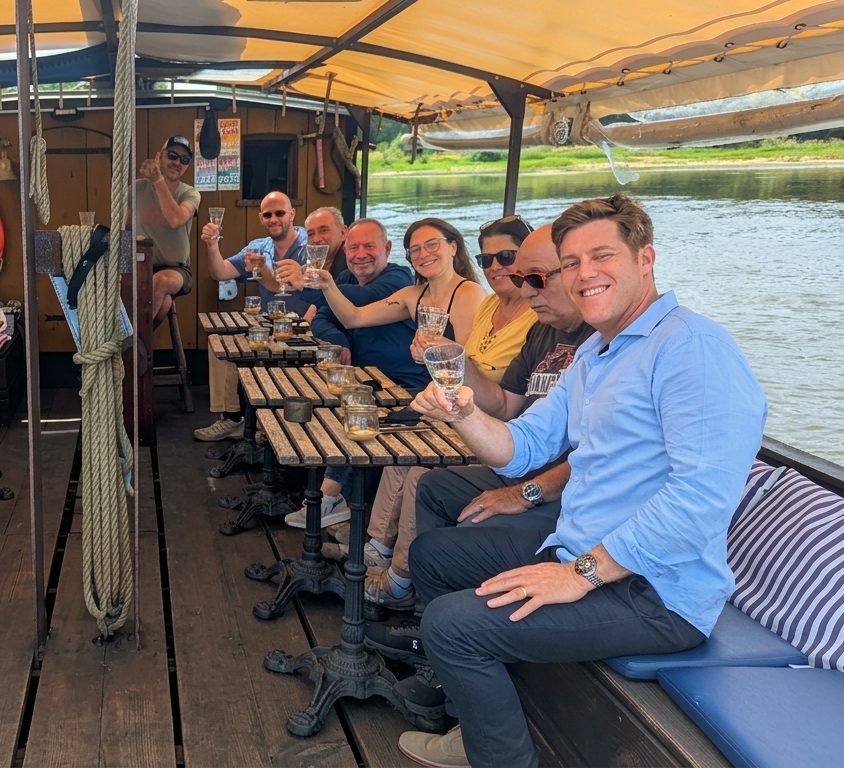
The Company is a provider of high quality customized specialized wine and culinary experience tours as well as organized groups and individual tours in multiple wine regions around the world. Currently the Company offers tours in over 30 regions globally and is continuously expanding the scope and content of its tours. Updated information of destinations can be found on the Company’s website.
The Company organizes all, or a part of, the aspects of a tour, as agreed with the customer. The Company’s decision as to any aspect that is organized by it, is conclusive.
The Company’s tours are mainly suitable for customers who are at least 18 years old notwithstanding, the Company may accept younger participants as part of a customized tour (for example for family or friends), provided that such younger person is under supervision of a person at least 25 years old, who is responsible that such young person does not consume any alcohol.
Generally, the Company’s tours include walking as well as stair climbing and are suitable for person with good health, without health limits. The tours also include tasting wines and alcoholic beverages and are not suitable for persons with drinking issues disorders and/or negative health implications. Specifically, there may apply conditions to certain tours, as set forth in the details related to the tour. Any specific conditions shall apply in addition to the general conditions.
The Company provides personal and professional services, that are based on its long-term accumulated knowledge and expertise and its special relations with its customers, guides, suppliers, service providers and local collaborators. It may refuse to accept any person as a customer at its sole, absolute and conclusive discretion, with or without reason. In addition to the foregoing, the Company may discontinue the participation of a particular person in any tour at any time (including during the tour) if the Company believes that: (i) such person’s participation and/or behaviour does not comply with the Company’s values and/or might be negatively affect the experience of other participants and/or the Company’s suppliers and/or good will; or (ii) such person’s health condition (including ability to walk unaided) is unsuitable for the tour program whether or not such person had disclosed its condition previously. Upon termination of participation under (i) or (ii) above, the customer shall be entitled to receive only amounts actually refunded to the Company by suppliers, if any, and less the Company’s handling fees.
Costs, Payment Methods and Registration to Tours
Tour costs, payment methods and registration requirements are as set forth in the Company’s website and/or provided by the Company’s representative.
Registration to tours requires completion of a registration form and compliance with the Company’s requirements for such tour, including, without limitation, payment of the deposit. All information provided by the customer must be complete and accurate at any time until end of the tour.
The company is allowed to keep the details of the customer’s credit card in order to complete the remaining payment at the time that is specified in the payment conditions. The details of the card will be removed immediately after payment in full for the tour is received by the Company. The customer shall update the credit card information in case of any change of card. If a card is blocked, restricted or cancelled, the customer must immediately provide an alternative payment means. Failure to do so, is breach of contract and the Company may charge interest on any unpaid balance and is entitled to reimbursement of amounts paid to suppliers plus the Company’s handling costs and legal expenses.
In the event that a customer purchases its own flight tickets must arrive independently to the meeting point with the group at least one hour before the time set by the Company, so as not to keep the entire group waiting. The company may (but is not obligated to) wait at the meeting point for up to one hour, respecting time of the other participants, suppliers, service providers and/or the tour’s schedule. In the event that the customer fails to arrive on time, it shall be the customer’s responsibility to join the group at the first night’s lodging, at their own expense and responsibility, and will not be eligible for compensation or any form of refund.
Registration to tours is personal. If a customer would like to offer its place to another person, any replacement is subject to the Company’s advance written approval and compliance with Company’s terms and conditions. A change of person may entail handling charges and fees of the Company and/or its suppliers (such as, but not only, airline costs).
The tour programs are custom made and depend upon availability of suppliers. Changes to the program may occur, due to constraints of suppliers, however, the Company will choose an alternative place/supplier at the same level instead.
The customer agrees to respect suppliers’ requirements and to mind the comfort of other participants in the group by following the Company’s requests and/or instructions concerning acceptable behaviour during the tour, including smoking, suitable clothing, and any other requests.
The Company may retain the customer’s personal details (except for payment terms as set forth below) in its systems and may include them in its mailing lists. Unless notified otherwise, the Company may send “push” notifications to customers about new Product offerings, discounts and promotions. The customer may elect to unsubscribe from any mailing list at any time. The customer’s details shall be protected according to the Company’s privacy policy, subject to Israeli law. Notwithstanding anything to the contrary, details of the means of payment that were given upon registration to a tour, are to be saved only until the customer completes payment for the tour.
Company’s Products
The Company may offer from time-to-time online purchases of various wine-related products, such as books, wines, alcoholic beverages, vouchers, gift cards and/or any other product as it deems fit (the “Products”). Products can be acquired online or by phone, at the price and other terms according to the Company’s policy as it may be at the time of purchase.
The Company may retain the customer’s personal details (except for payment terms as set forth below) in its systems and may include them in its mailing lists. Unless notified otherwise, the Company may send “push” notifications to customers about new Product offerings, discounts and promotions. The customer may elect to unsubscribe from any mailing list at any time. The customer’s details shall be protected according to the Company’s privacy policy, subject to Israeli law. Notwithstanding anything to the contrary, details of the means of payment that were given when acquiring the product from the company’s products are not saved in the company’s system.
When a Company’s Product or service is purchased via a third party and/or a sales channel, the Company’s obligation to supply any product and/or service is subject to the receipt by the Company of all customer and delivery information and full payment required by the Company. Although the Company is customer oriented, it cannot be held responsible if a purchase order was not registered in its computers and/or included faulty and/or partial details and/or payment is defaulted, and/or a Product is no longer in stock when the order is received by the Company and/or the tour is full. In the event that the customer has not received an acknowledgement by the Company within 48 hours as of placement of an order, the customer is requested to contact the Company directly. A customer may elect to join a “waiting list”, however the Company does not guaranty price or availability.
Product images displayed on the website are for demonstration purposes only. Without derogating from the generality of the above, images of wine bottles may include vintages, however the company does not undertake to keep a stock of such vintage, as wine is perishable. When selling wine, the binding vintage shall solely be the vintage included in the description of the product at the time of purchase.
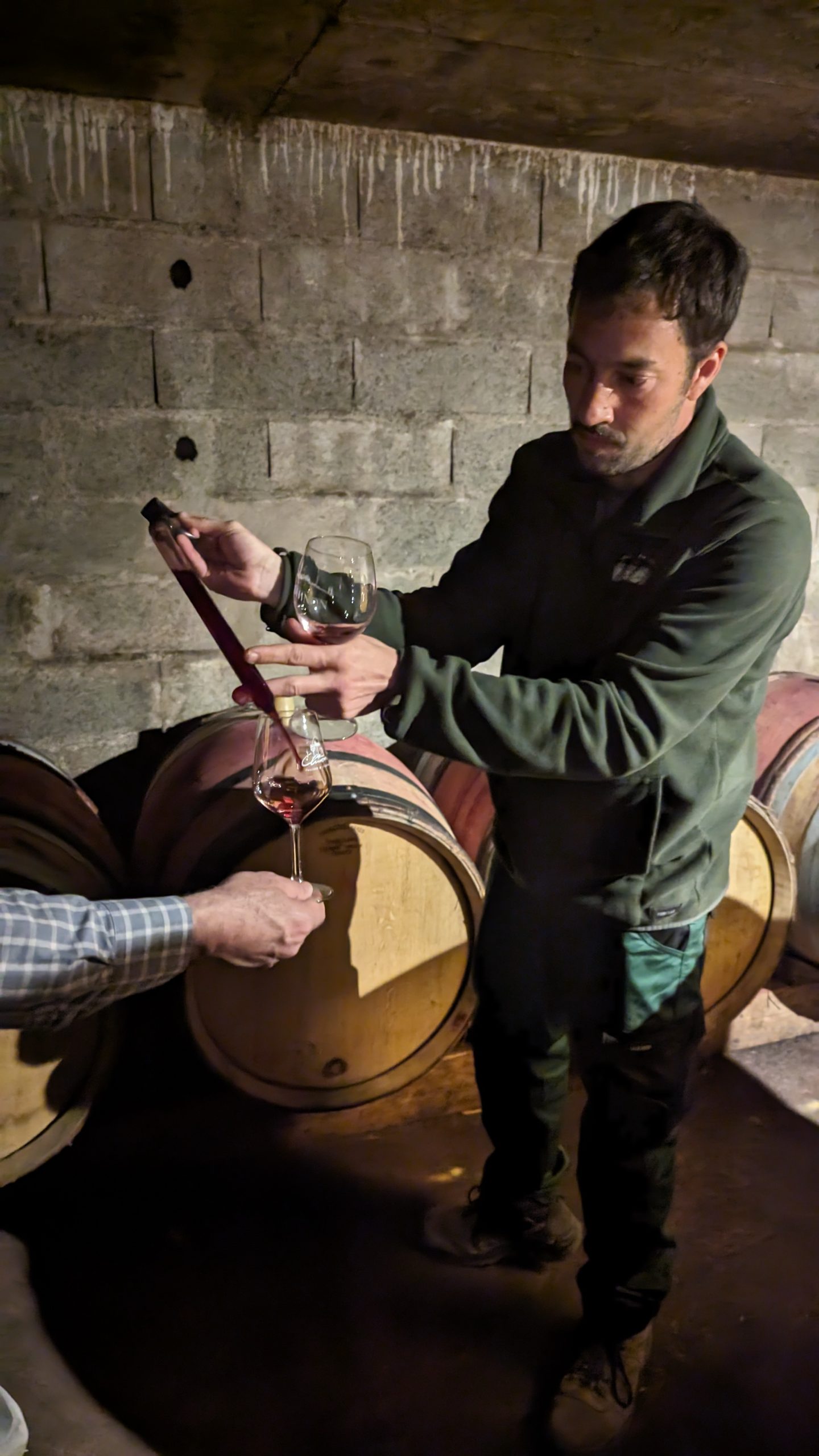
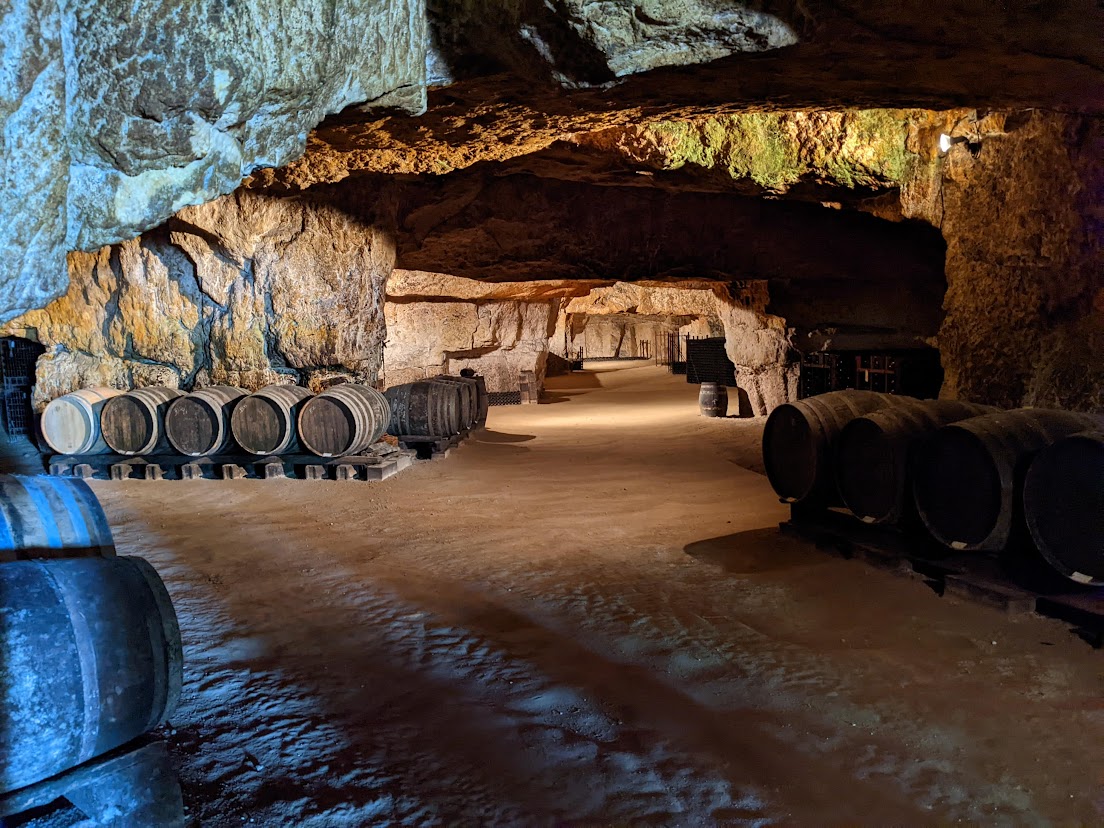
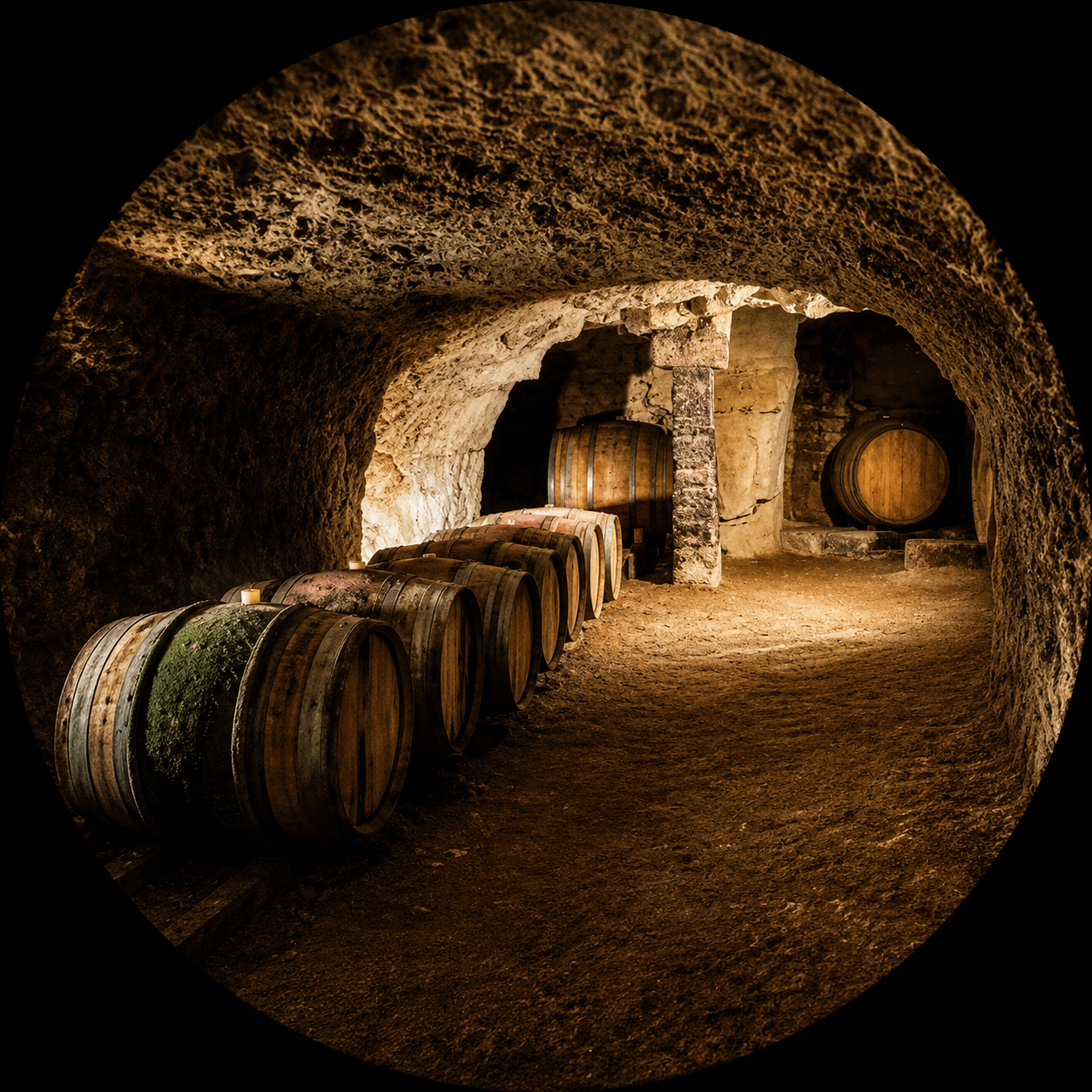
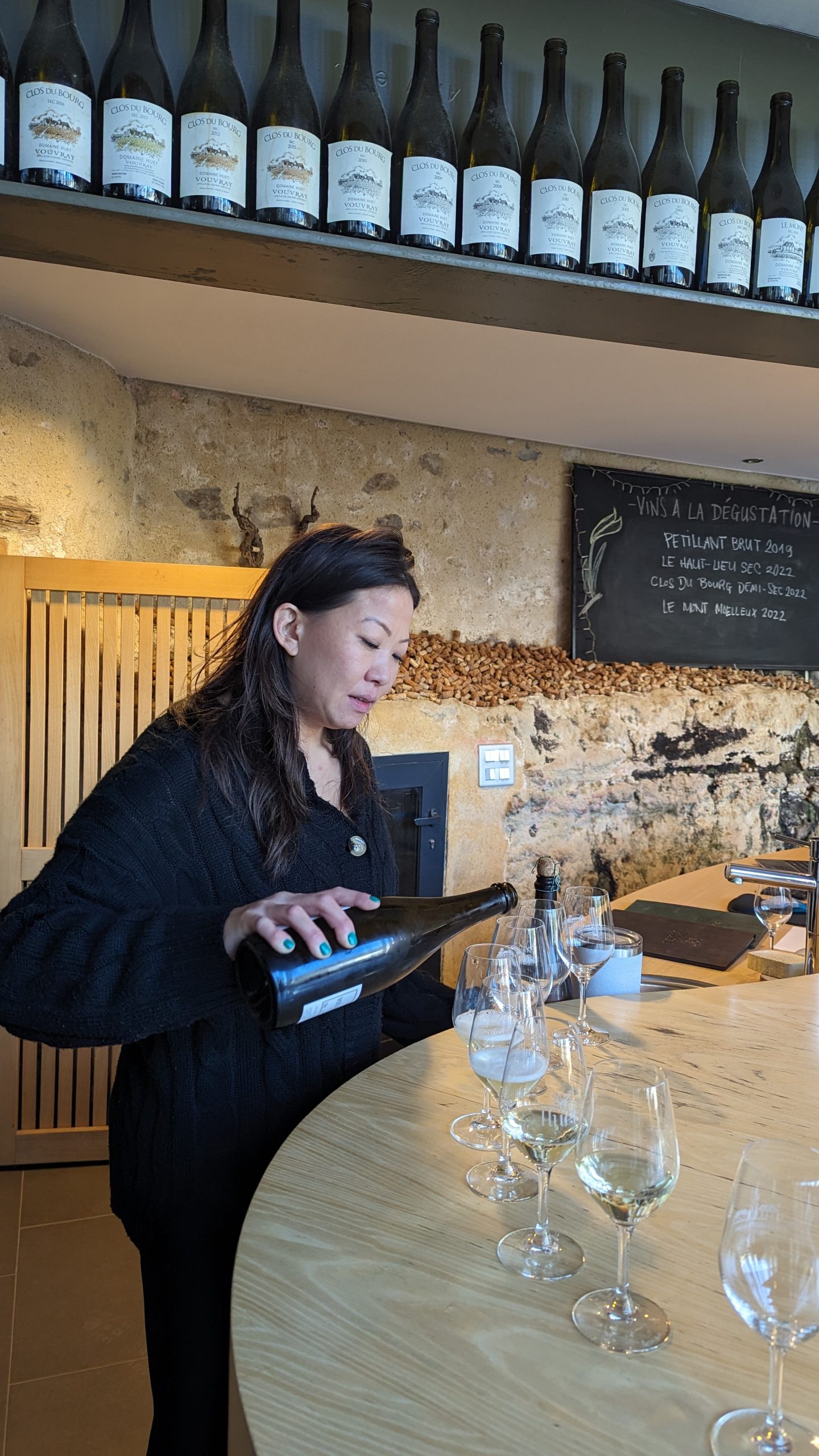
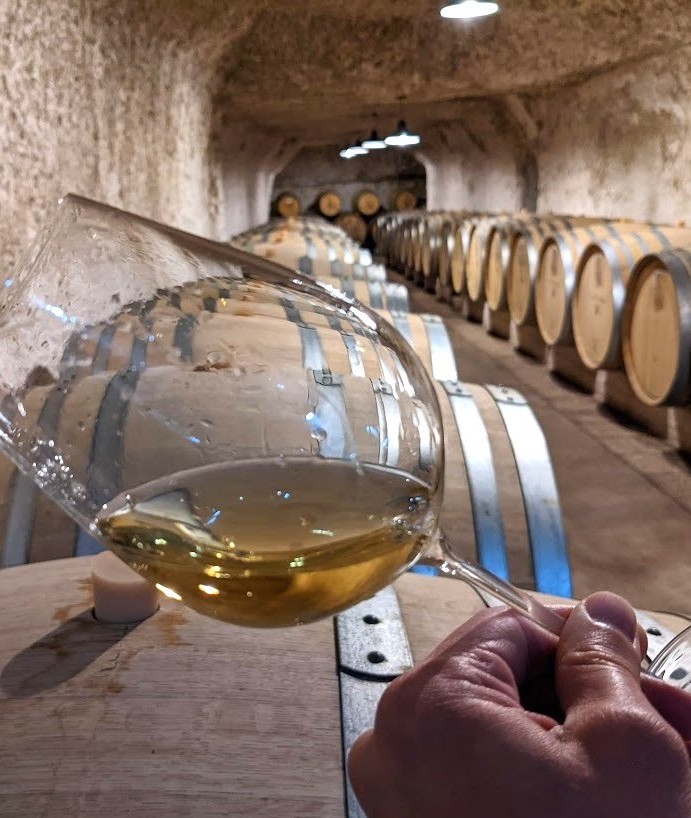
Images of landscapes and/or vineyards and/or wineries are for demonstration purposes only.
Cost of Products and/or Services
Prices of the site are in NIS or in foreign currency. Prices that are in foreign currency will be calculated according to the high Transfer Exchange rate (“Havarot ve Hamchaot gavoha”) in bank Leumi effective on the date of receipt of each payment by the Company. Prices include VAT. Prices exclude handling, shipment and delivery fees, which shall be added, unless otherwise indicated.
Prices are at the discretion of the Company. A price is valid at the time of purchase. Pricing may be updated without notice. Product and/or Service is subject to availability at the time of purchase.
Delivery schedules are as stated in the terms of sale and purchase, yet the company will not be responsible for delays in supply due to failure in computer systems, miscommunications, incomplete purchase process, actions or failure of courier companies and/or Israeli Post and/or events that are not under its control and/or force majeure.
Payment and conditions of payment
Payments for Company’s services and/or Products shall be as set forth on its website. In the event that a customer would like to suggest an alternative payment method, for example, a bank transfer, must first contact the Company for approval and instructions. Upon completion of the purchase process, an automatic confirmation will be sent to the customer via email, confirming that the details of order were technically received in the Company’s systems. As soon as the Company receives unconditional transaction approval by the credit company, the purchase order shall become firm. Notwithstanding anything to the contrary, purchases executed via a third party distribution channel, are subject not only to credit company approval but also to availability, as determined by the Company at its sole and absolute discretion. In the event that the transaction is not approved by the credit card company, or unavailability of product and/or service, the Company shall contract the customer by telephone or email in order to complete the transaction or cancel it. Delivery times are calculated as of the irrevocable approval of the credit card Company, subject to availability at such time.
Delivery of Products
Products may be delivered by a courier or picked up from the Company’s office within 12 working days of the time of final approval of purchase order by the Company (subject to receiving the credit card company’s approval to the transaction). Delivery by courier is subject to the schedule, limitations, requirements and costs of the courier and subject to prior coordination with the purchaser. When the courier does not deliver to the requested delivery address, the Company may (at it sole discretion) suggest to the customer special delivery at a different cost or cancel the purchase order and refund the full payment amount to the customer.
The Company may accept deliveries to an address outside Israel, subject to availability of an international courier service and its policies. The Company shall advise the customer within 5 working days whether a delivery is possible and the cost thereof.
Cancellation of an organized tour/ guided tour/ group tour
A guided tour can be cancelled by the Company or by customer. The cancellation will be done in writing only, as follows:
- Cancellation by the Company
In the event that the number of participants did not reach the minimum of participants set by the Company, or in the event of force majeure (such as, but not only, war, epidemic, a significant flight availability change, severe weather conditions, and other events out of the reasonable control pf the Company), the Company may cancel the tour by notifying the customer. In such case, the customer is allowed to choose between (A) a full refund of all funds actually paid to the Company or (B) credit of the funds actually paid towards another Company tour available during the following 12 months. The above constitutes full and inclusive compensation and any other compensation will not be given in the event of a tour cancellation.
- Cancellation by the customer
| Up to 90 days before the departure date |
A full refund of the downpayment less handling fees of 200 euros per participant. |
| Up to 60 days before the departure date |
A charge equal to the downpayment amount. |
| Within 60 days before the date of departure |
Any cancellation is subject to the customer paying the full payment of the tour. |
Cancellation of a private, personal tour
A private, tailor- made tour can be cancelled by the Company or the customer in writing only, as follows:
- Cancellation by the Company
In the event of force majeure (such as, but not only, war, epidemic, a significant flight availability change, severe weather conditions, and other events out of the reasonable control pf the Company), the Company will be allowed to cancel the tour by notifying the customer. In such case the customer will be allowed to choose between (A) a full refund of all funds actually paid to the Company or (B) credit of the funds actually paid towards another Company tour available during the following 12 months. The above constitutes full and inclusive compensation and any other compensation will not be given in the event of a tour cancellation.
- Cancellation by the customer
| Up to 90 days before the departure date |
A full refund of the downpayment less handling fees of 200 euros per participant. |
| Up to 30 days before the departure date |
A charge equal to the downpayment amount. |
| Within 30 days before the departure date |
Any cancellation is subject to the customer paying the full payment of the tour. |
Cancellations and Product Returns
The cancellation of Product purchase orders are subject to the provisions of the Consumer Protection Law (1981), Israel. Cancellation of a purchase order (except for purchase of wine) can be only by the person who made the order, and only within 14 days from the date of purchase. Returns must be approved by the Company in advance. It is further provided that Products are returned to the Company by courier (at the expense of the customer), in their up-opened original package, undamaged and in new condition, together with the original purchase invoice not later than 14 days from the date of purchase. Refund of amounts paid shall be after receipt of the Product in its original unopened package and undamaged. The Company may refuse to accept a returned Product in an unsatisfactory condition at the Company’s sole and absolute discretion. Refunds are of amounts paid less 5% handling fees or ILS 50, the higher of, unless the Product is defective or does not match its description on the Company’s website. The Company is not responsible for Product description on third party sites/resellers/distributors. An order cancelled within 24 hours of purchase order on the Company’s website, before the Product is picked up by the courier, will not be charged with cancellation fees.
Notwithstanding anything else set forth herein, it is not possible to cancel a purchase of wine bottles under any circumstances, as wine is a sensitive product that requires special conditions for handling, storage and transportation.
Health Related Regulations
The tours include walking often in rural and/or ancient and/or steep paths. If a customer has (or may be concerned to have) a health limitation whatsoever, including, but not only, walking difficulty or diabetes or any condition that limits such person to consume alcohol or other (hereinafter “Health Issue”), such person must disclose such Health Issue prior to registration. The Company has the right to refuse to register a customer at its sole and absolute discretion, or to set any conditions to such person’s participation. Notwithstanding, accepting such customer does not impose upon the Company any obligations towards such customer over the Company’s standard policy, and the customer releases the Company of any and all obligation beyond its standard policy.
In the event that the Company refuses to register any customer (including if the customer refuses to accept the Company’s conditions), the Company shall refund any amount paid by such customer as well as any person travelling with him or her, if paid. In the event that such a problem was created for the customer (and/ or any person that registered with him) in the period between registering and departure date, the customer must inform the Company immediately, and the Company reserves the right to cancel the customer’s registration (and/ or any person that registered with him) at its sole judgement and the conditions of “cancellation by the customer” will apply.
Vaccinations and/or medications are the customer’s responsibility. A person taking medication regularly, is requested to take the required amount of medication that will exceed the trip schedule by two days.
Intellectual Property
All the information appearing on the Company’s website related to trips, suppliers, customers, methods, experiences, photos, texts and any other information uploaded by the Company is the sole property of the company or of third parties under permission. Additionally, the Company’s intellectual property includes also the name of the brand “Vinspiration – Wine and Inspiration” and also the domain name, trademark (whether registered or not), logos, trade names, the graphic design of the website, databases, including listing of products, description of products, their design and so on, and in every other content included in the website, including the computer code of the site and every other detail that is connected with its operation (the foregoing: the “Company’s IP”).
It is prohibited to copy, change, publish, market, translate, show in public, transfer or make available to the public, process, create or make creations deriving from it, sell or have any kind of commercial use, any Company IP in whole or in part, in any means whatsoever without prior explicit approval by the Company’s management, which may not be granted at the Company’s discretion.
Notwithstanding the foregoing, it is forbidden to copy and/or use and/or enable others to copy and/or use in any other way the contents of the Company’s website in electronic advertising, textual advertising and/or for any other public purpose whatsoever, not to operate and/or enable to operate same on any computer, system and/or application (including, without limitation, programs like Crawlers, Robots and similar), in order to search, scan, copy or automatically reproduce content on the Company’s website. It is further forbidden to create and/or use any technological means to create an assortment, collection or database that will include data from the Company’s website; nor to show any of the Company’s website content within Frame, overt or covert and/or any software, device, prop or communications protocol, whether changes the design, data or any content and/or in specific adverts and commercial content. It is also prohibited to connect to the Company’s website from any site that contains pornographic content and/or content that encourages racism and/or discrimination, and/or any illegal activity and/or advertising and/or encouraging illegal activity. It is further prohibited to create a link to content from the Company’s website that is not the home page of the site (“deep connection”), and/or to show or publish content as is said in any other way, unless agreed by the Company in advance and in the manner agreed to by the Company. The exact address of the internet page in the Company’s website must appear in its designated place for the user interface, such as the status bar of the user's browser. It is forbidden to change, distort or hide the Company’s URL address in any way.
The Company applies site management tools for securing information stored in its website. These systems and rules reduce the risks of unlawful penetration to the computers of site management; however they are not, and cannot be, entirely immune to attacks and the Company shall not be responsible for any information illegally obtained.
Target audience for company activities
The Company’s activities and products are suitable for adults only (18+). Minors are not eligible to place orders and/or register. By making a purchase and/or registering to an activity, a customer confirms that he/she is over 18 years old. Without derogating from the customer’s responsibility, the Company may (but is not obliged to) require proof of age from any customer.
Contact Information
The Company can be contacted for any matter whatsoever as set forth on its website.
The company reserves the right to block any person which defames, disrespectful, offensive, abuses freedom of speech and/or is a minor.
Law and jurisdiction
The Company is incorporated in Israel and operates under the procedural and substantive laws of the State of Israel, conflict of laws notwithstanding. The Company may, but is not obligated to, become a party to mediation and/or arbitration. The court of Tel Aviv have sole jurisdiction on any matter related to the Company and its business whatsoever.
***********