
Israel

A small country with five wine regions, and we live in it.

From the basalt of the Golan to the limestone terraces above Jerusalem and the vineyards of the Negev, Israel holds five official wine regions. We live here. The winemakers are friends, the tables are ones we eat at on an ordinary Tuesday, and a wine professional is with you at every winery.

Why we come back here

Because we never really leave.

Wine has been made on these hills since biblical times. Ancient winepresses cut into the rock still turn up between the vines in the Judean Hills, and in the Negev, growers farm grapes with the runoff methods the Nabataeans used 2,000 years ago. The modern chapter is younger. The first modern winery opened in 1882 with Baron Edmond de Rothschild’s support, and the Golan was first planted in 1976. By the 1990s, those volcanic vineyards had changed what the world expected from Israeli wine.

Today there are around 300 wineries, most of them small, many run by the family whose name is on the label. They pour for us in their kitchens and cellars. From a volcanic plateau at 1,200 meters to the desert highlands of the south, we know which door to knock on in each region.

The flavour of the place

What a week here is made of:
where you sleep, what you eat, and wine from two very different landscapes.

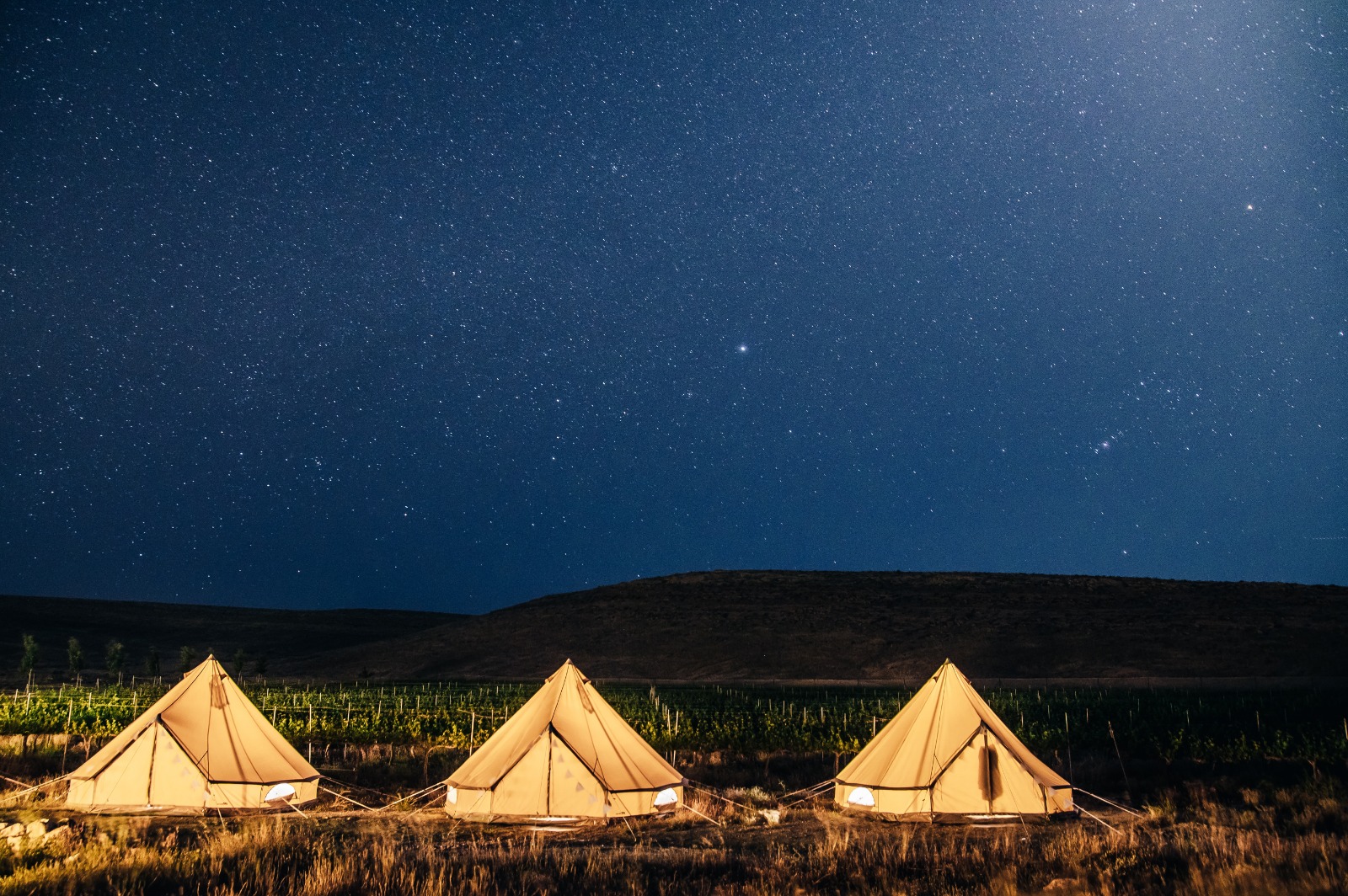
The Stay

A hotel among the vines in the Galilee, and nights in Jerusalem and Tel Aviv to come back to.
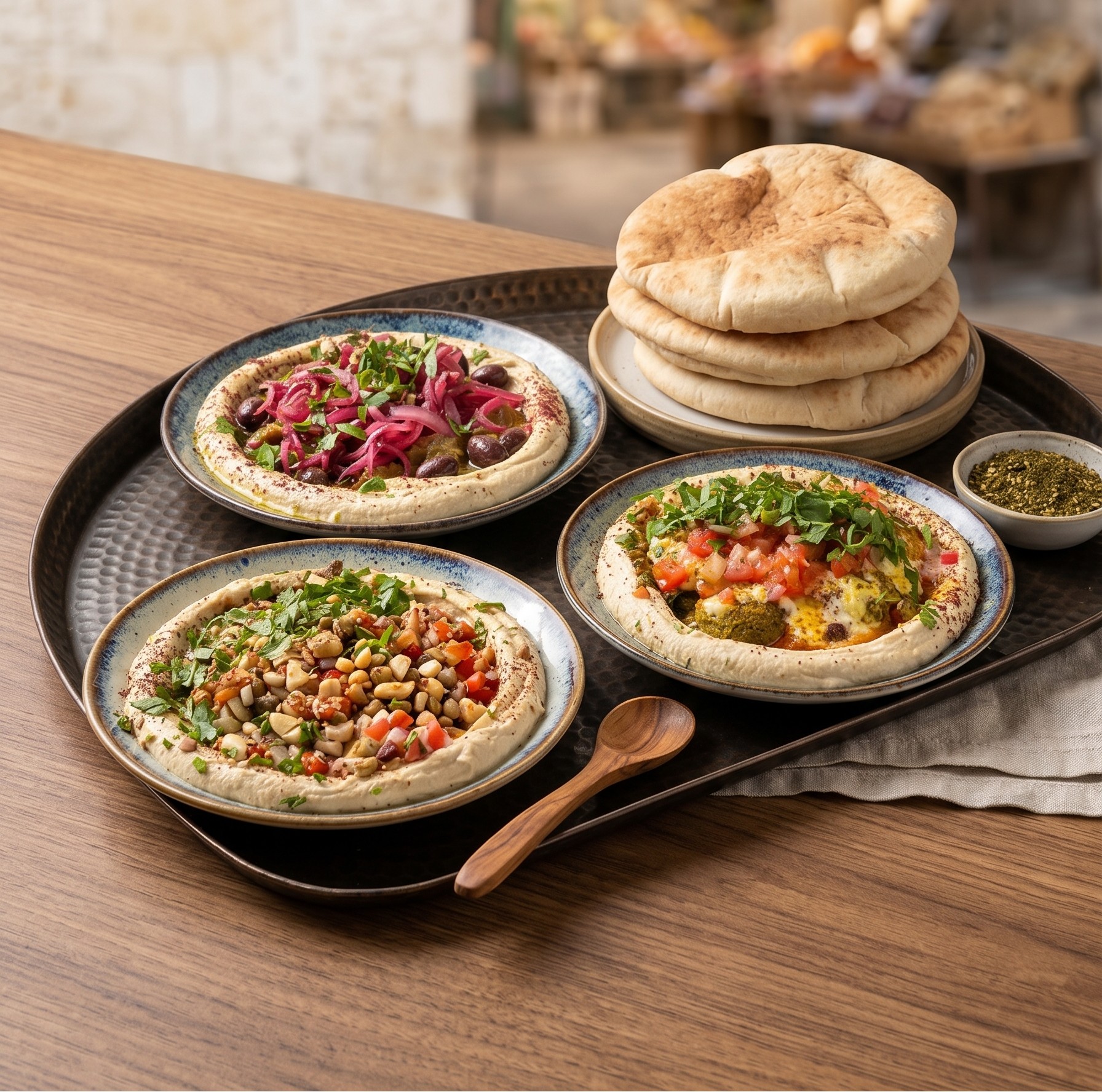
The table

Hummus still warm at a market counter, olive oil pressed down the road, and dinner with the winemaker at the end of the day.
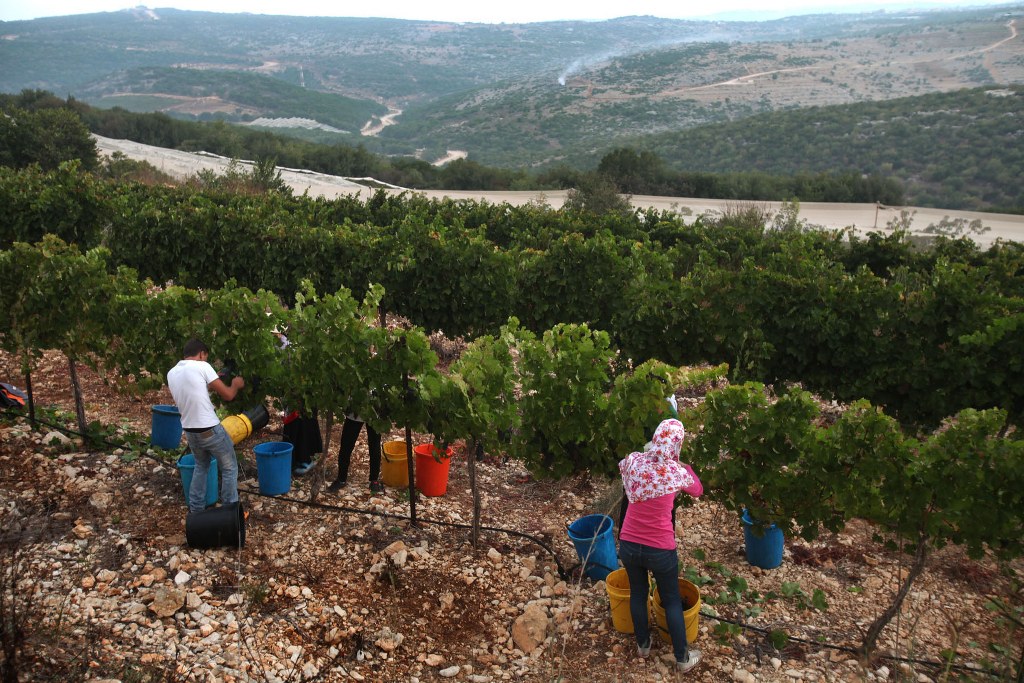
The Mountains

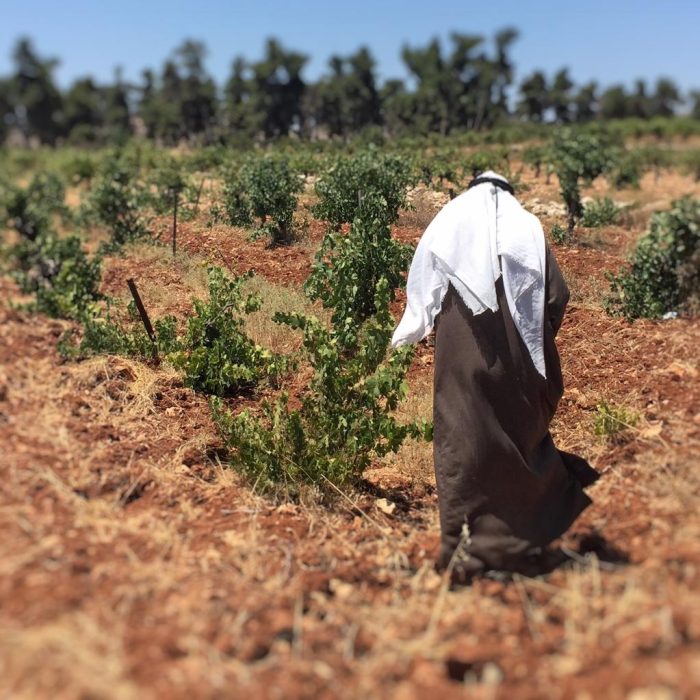
Cabernet and Syrah from the black basalt of the Golan and the limestone terraces above Jerusalem, where the nights stay cool.
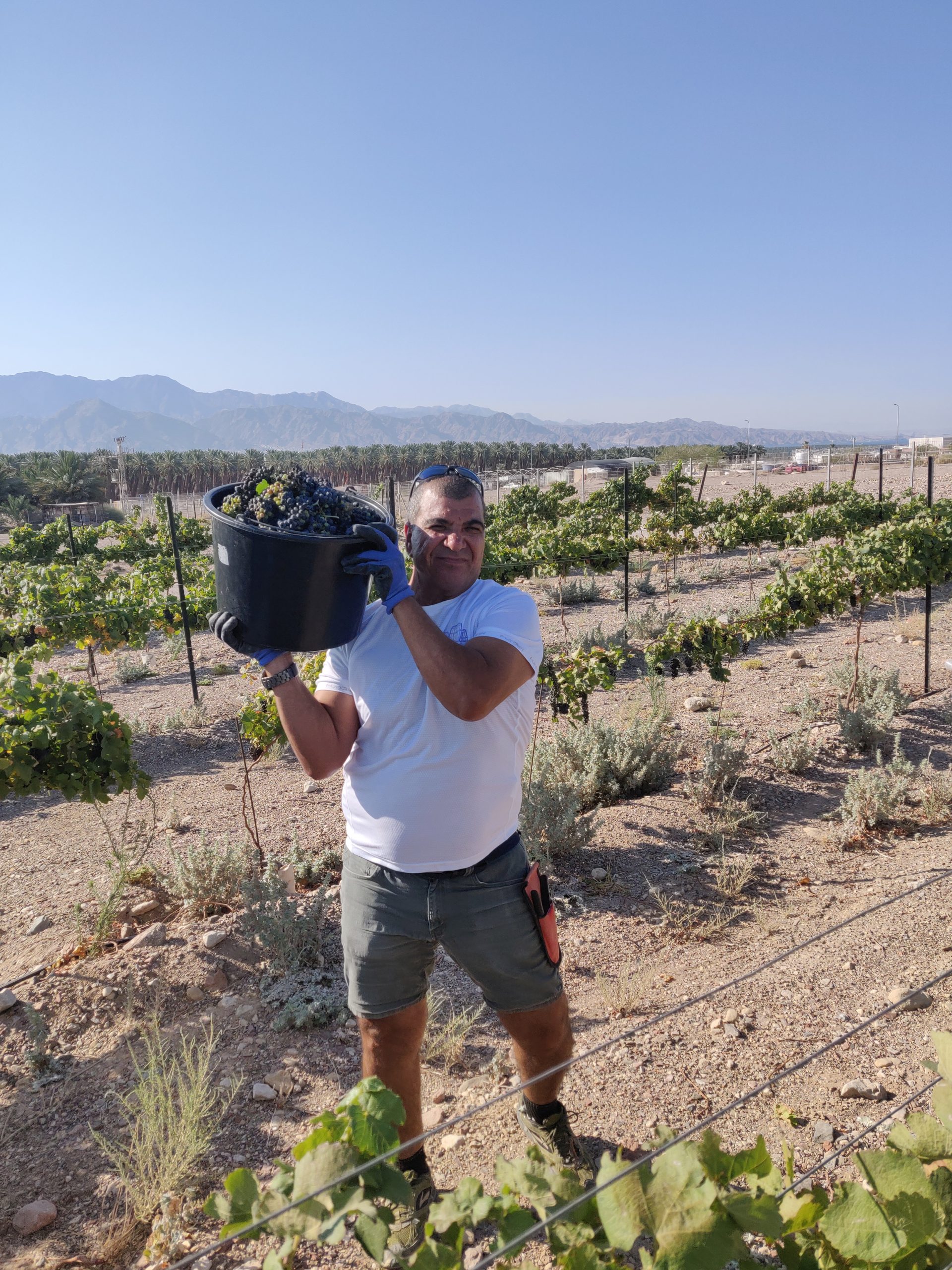
The Desert

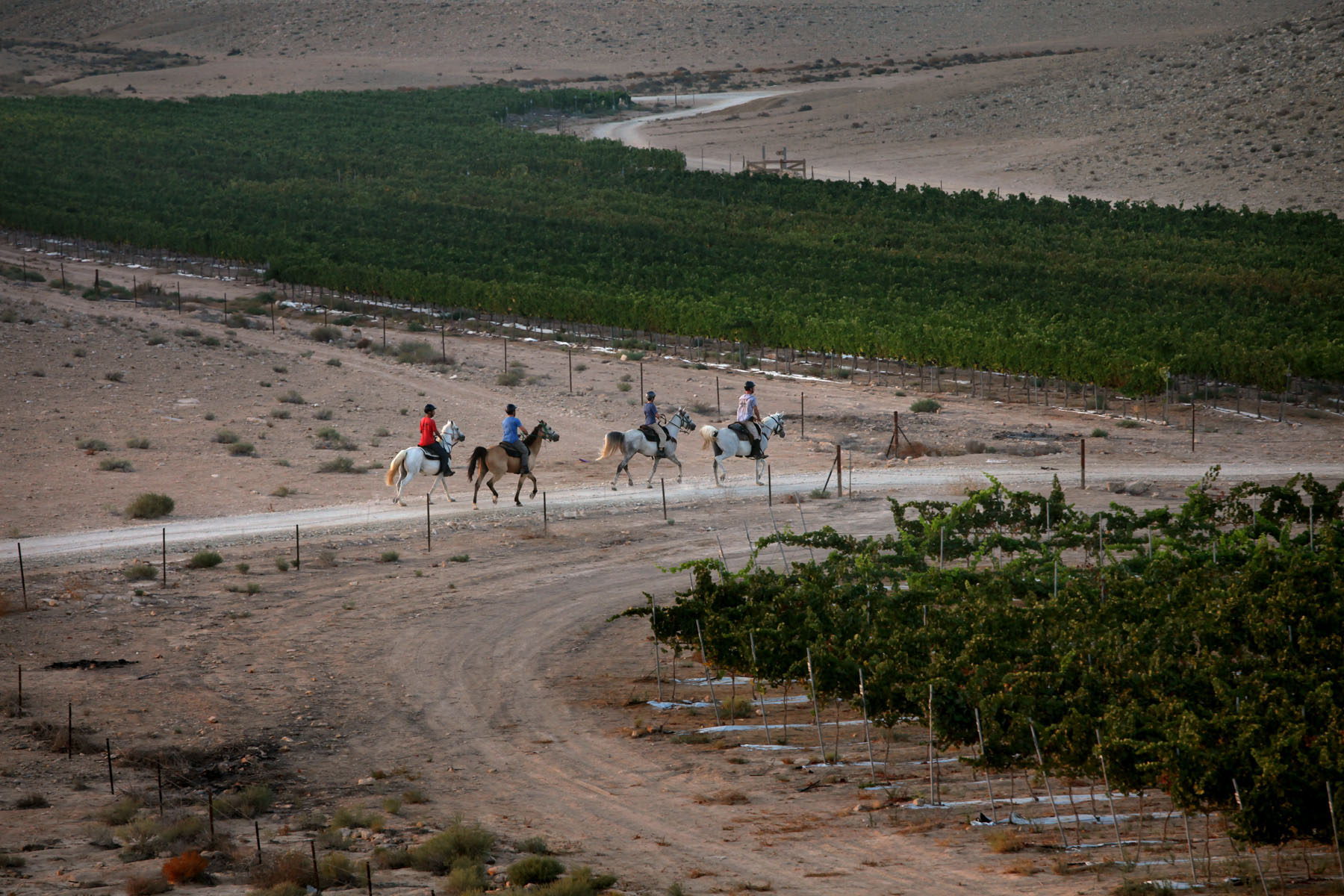
Red wines from the high plateau of the Negev, grown in hot days and cold nights, some on farms that follow the Nabataean way of catching rain.
Israeli wine, in short

Basalt, limestone, and desert

Israel has five official wine regions. In the north, the Galilee and the Golan rise to 1,200 meters, and the vines grow in volcanic basalt where the nights turn cold. Around Jerusalem, the Judean Hills sit at 500 to 1,000 meters on thin, stony limestone. Samson and the Shomron lie lower, closer to the coast.

Then the Negev, where vines grow on a desert plateau and the gap between hot days and cold nights keeps the wine fresh. Cabernet Sauvignon, Carignan and Merlot are the most planted reds, and old-vine Carignan from the valleys near Zichron Ya’akov is having its moment.

One day, in detail

From morning to the last glass.

A day in the Judean Hills and Jerusalem, built from the wineries and people we know here.
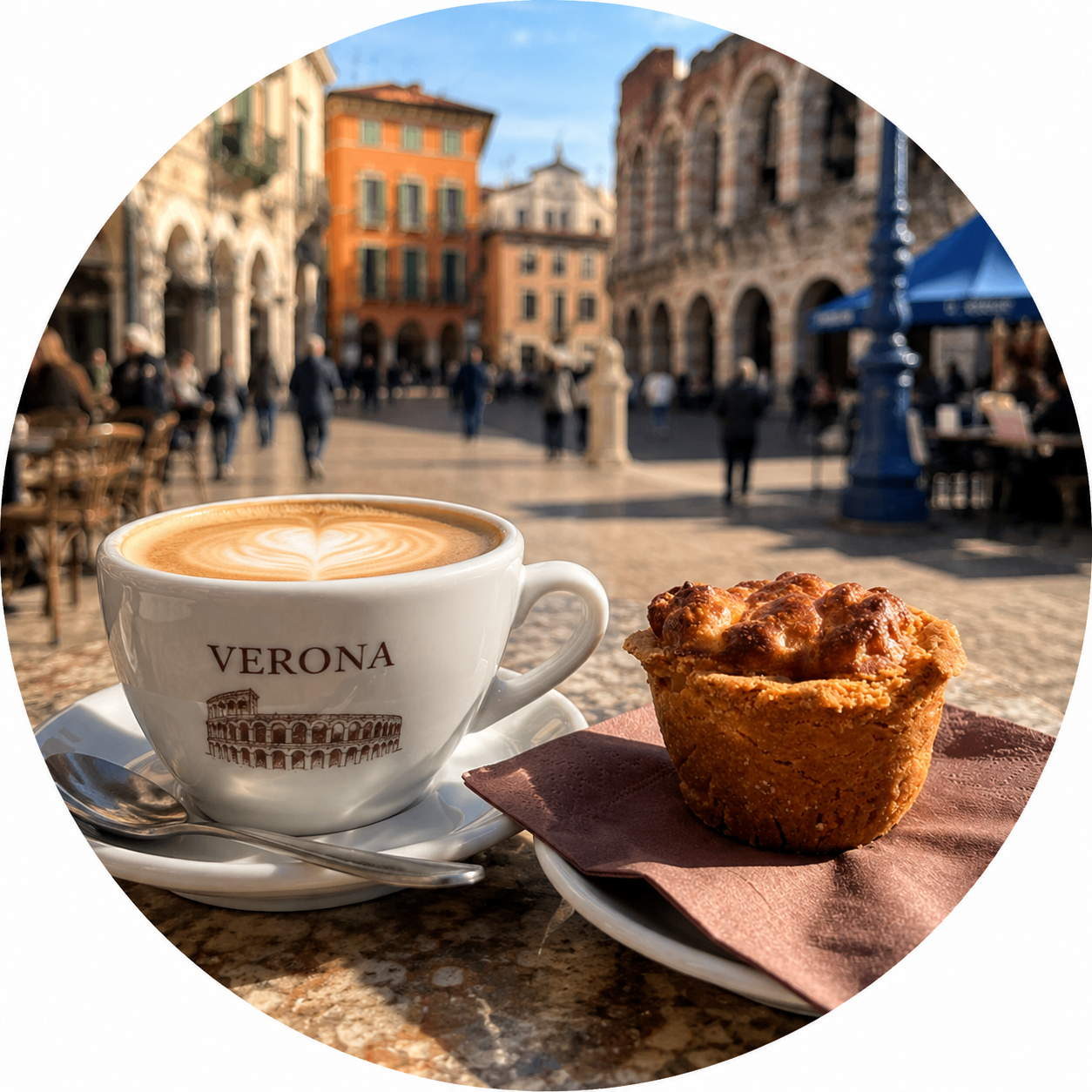
Morning coffee and warm bread at Machane Yehuda market in Jerusalem
9:00

Coffee and warm bread at Machane Yehuda market in Jerusalem, before the stalls fill up.
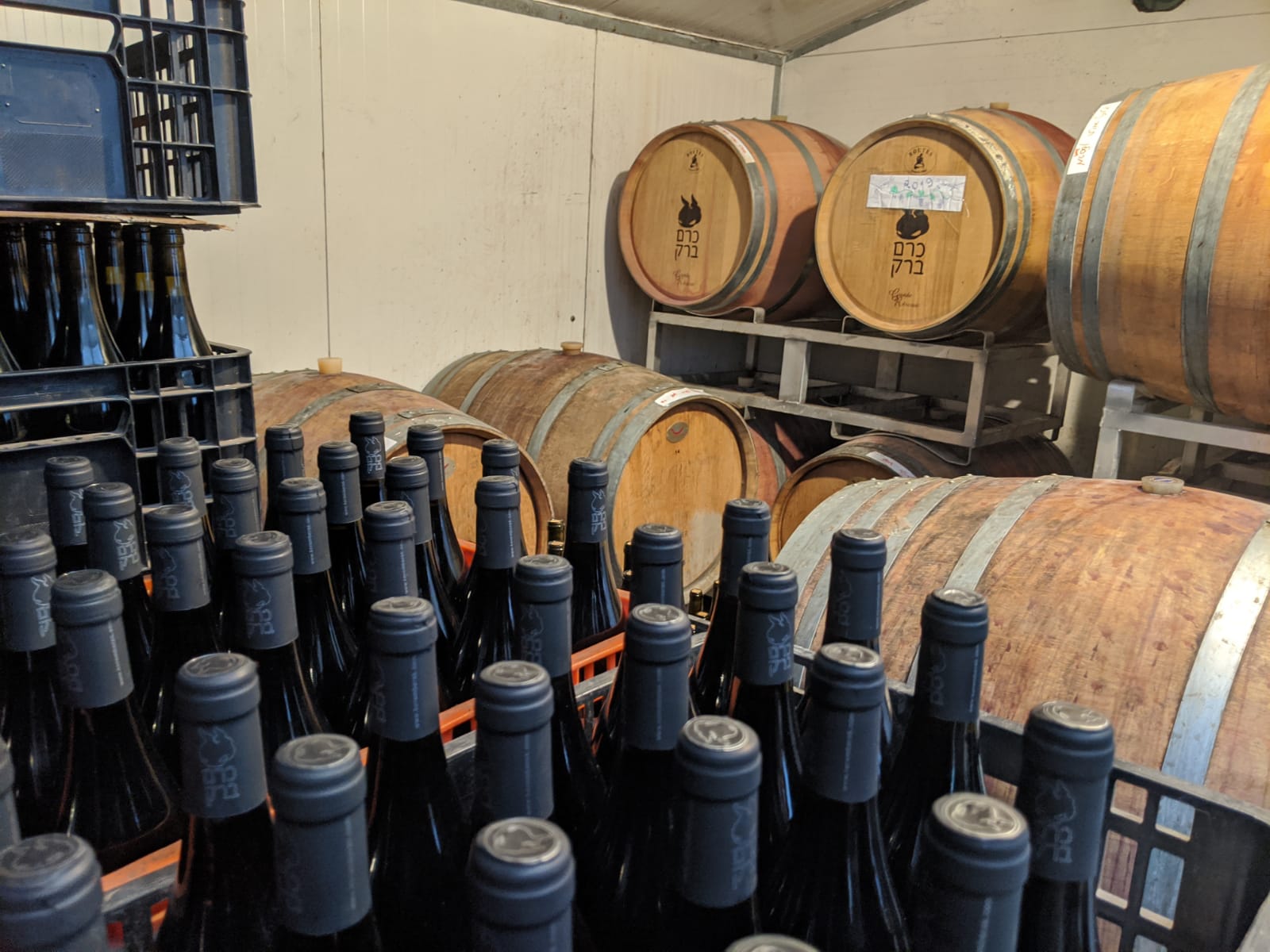
Cabernet from the barrel at a winery on the ridge above Jerusalem
10:30

A winery on the ridge above Jerusalem. Cabernet from barrel, in a cellar cut into the hill.
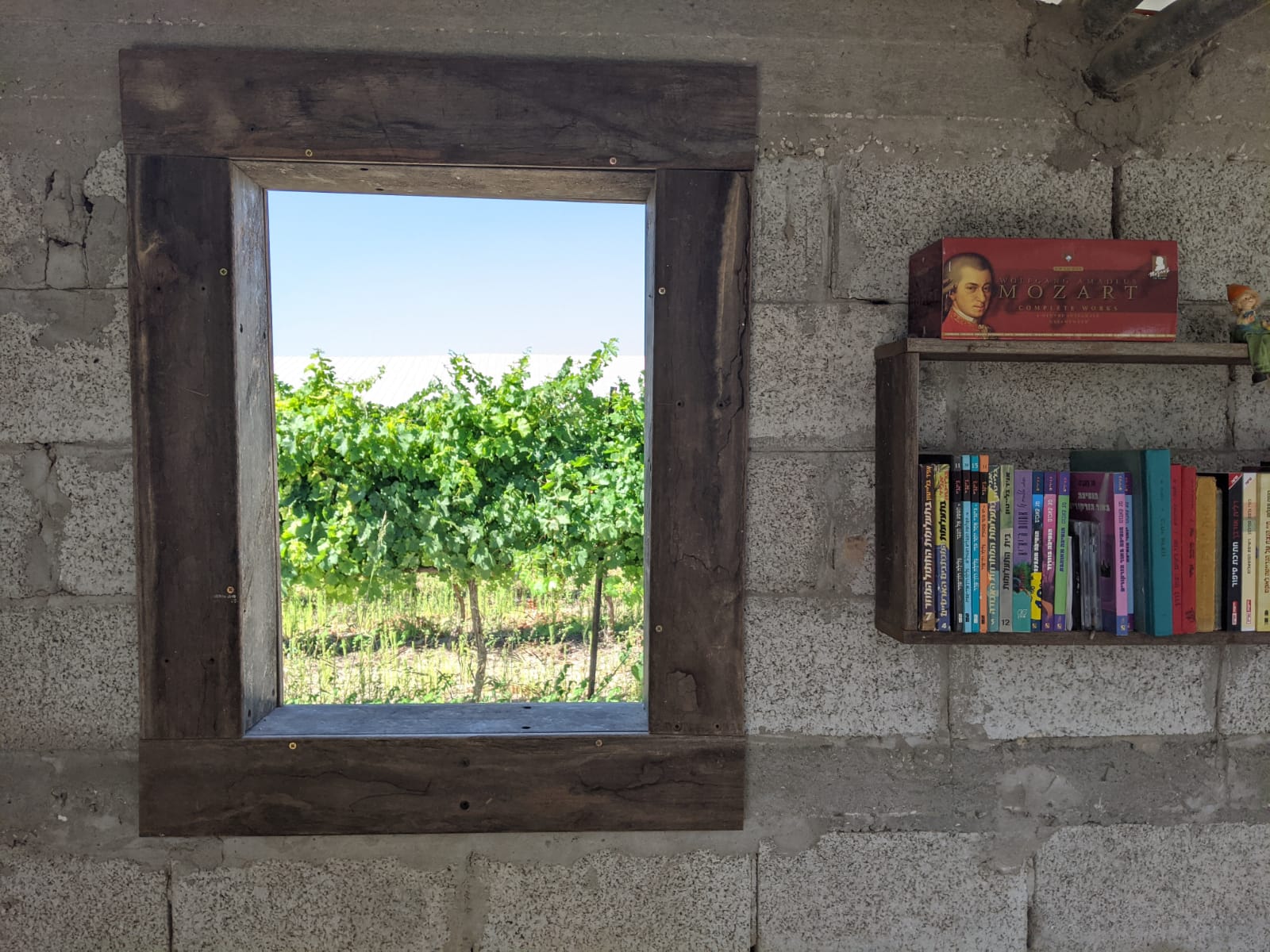
Lunch with the winemaker at a small Judean Hills winery
13:00

Lunch at a small Judean Hills winery known for its whites, with the winemaker telling the story behind each bottle.
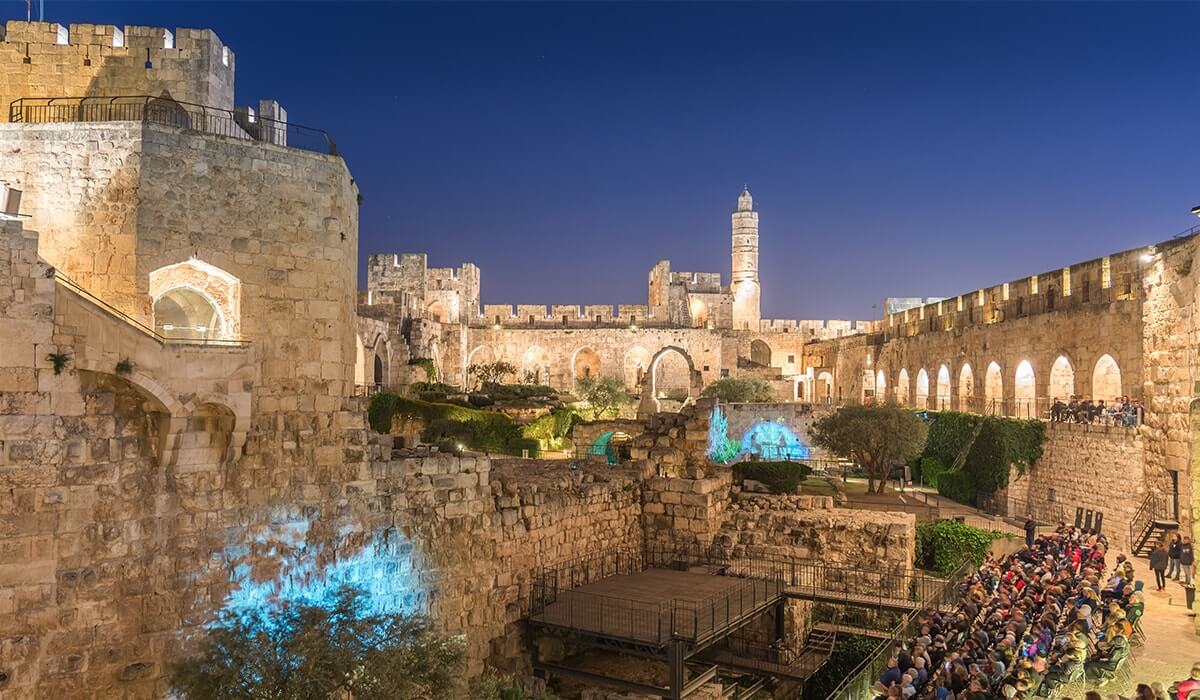
Tasting through the alleys of Jerusalem's Old City
16:00

Back into the Old City with a local guide, tasting our way through the alleys.
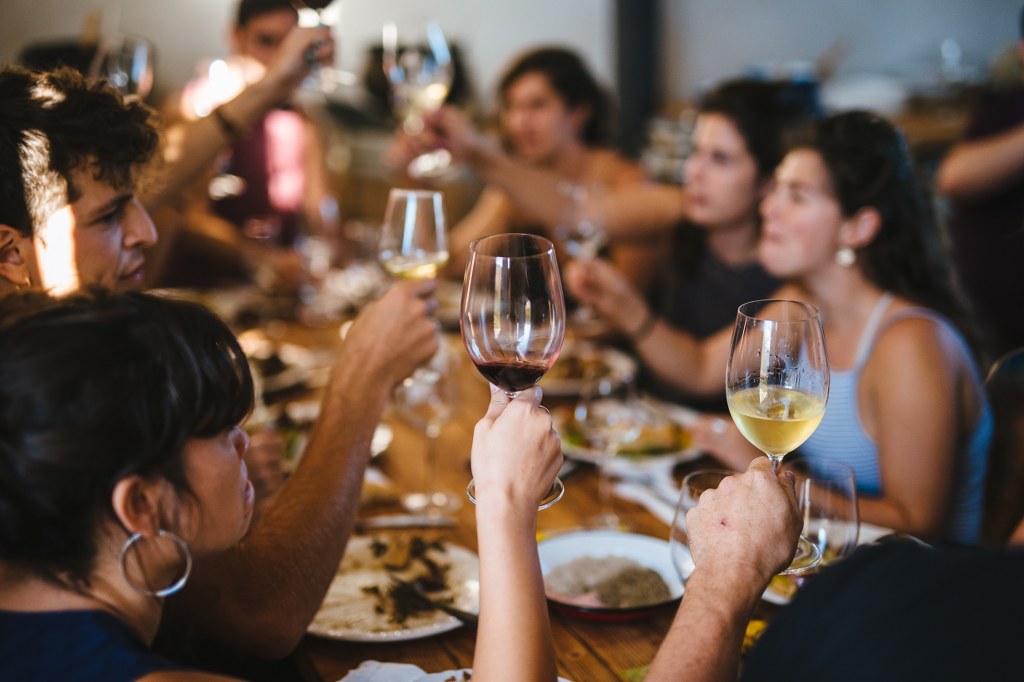
Dinner with a winemaker in the Judean Hills
20:00

Dinner with a winemaker in the hills, or at a table by the market, where the bars open as the stalls close.
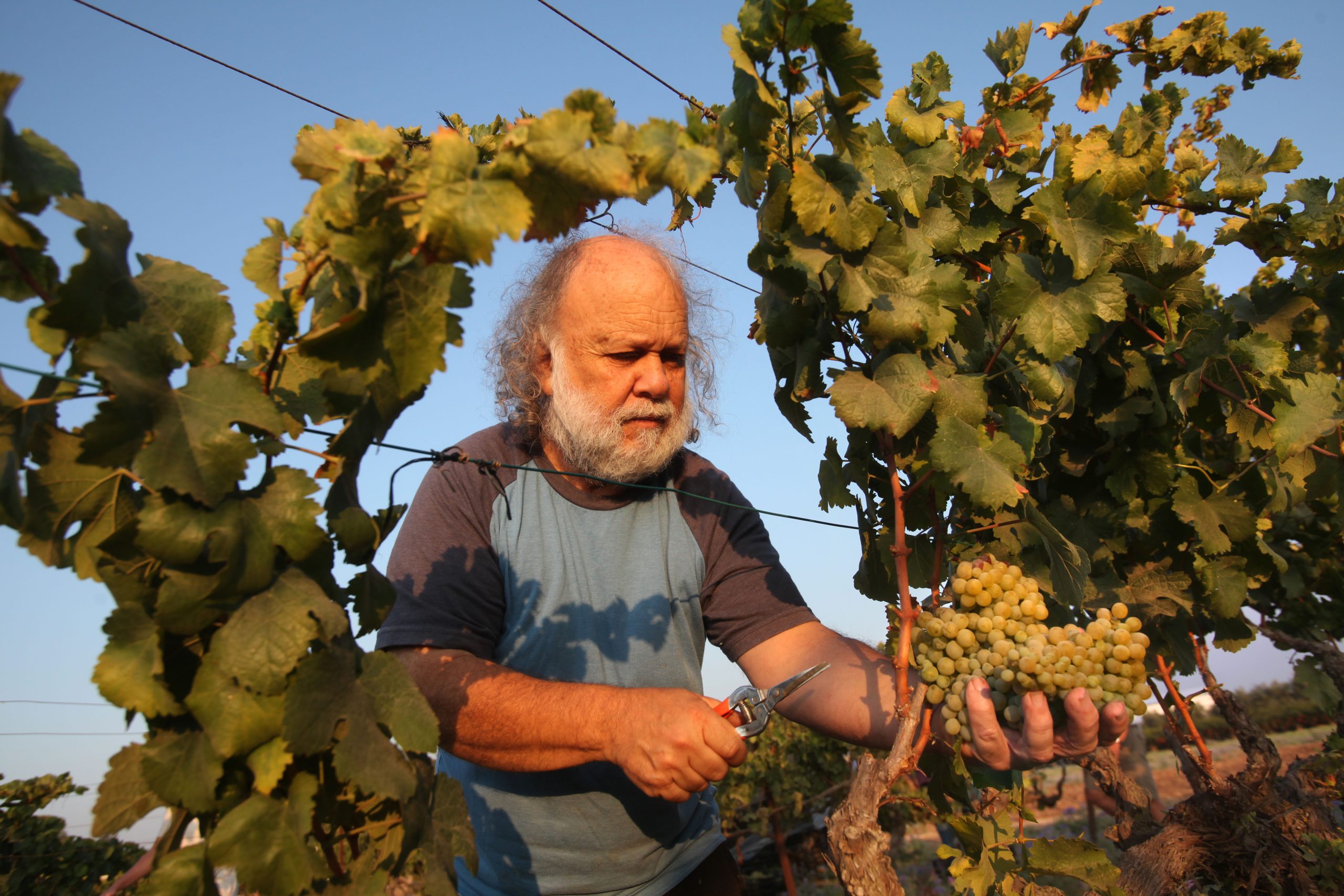
Who opens their doors to us here

Friends, and neighbors.

A winemaker

On the volcanic plateau of the Golan, where black basalt and cold nights give the Syrah its backbone.
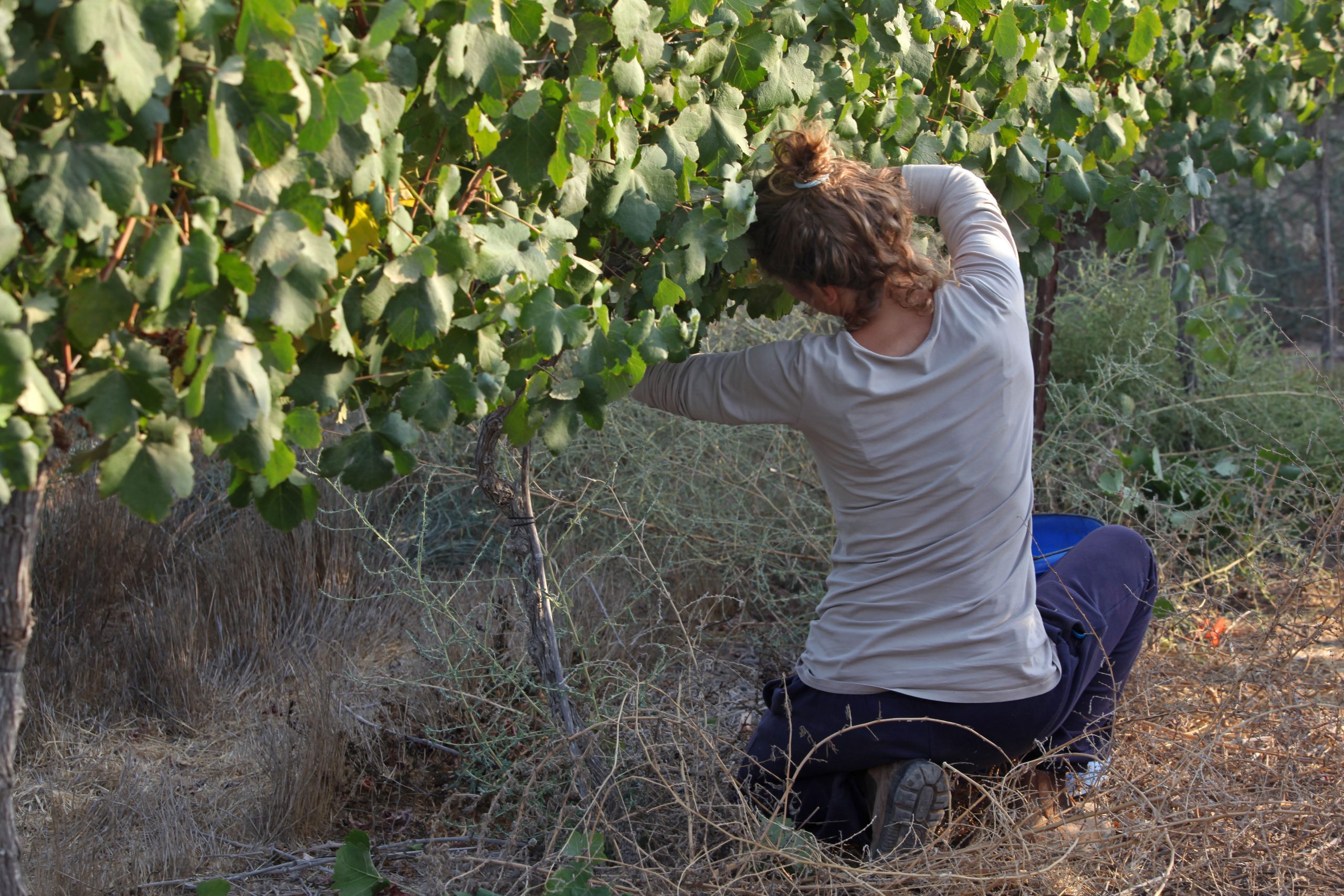
A grower in the Upper Galilee

Who planted Pinot Noir high and cool, when almost no one in Israel would try it.
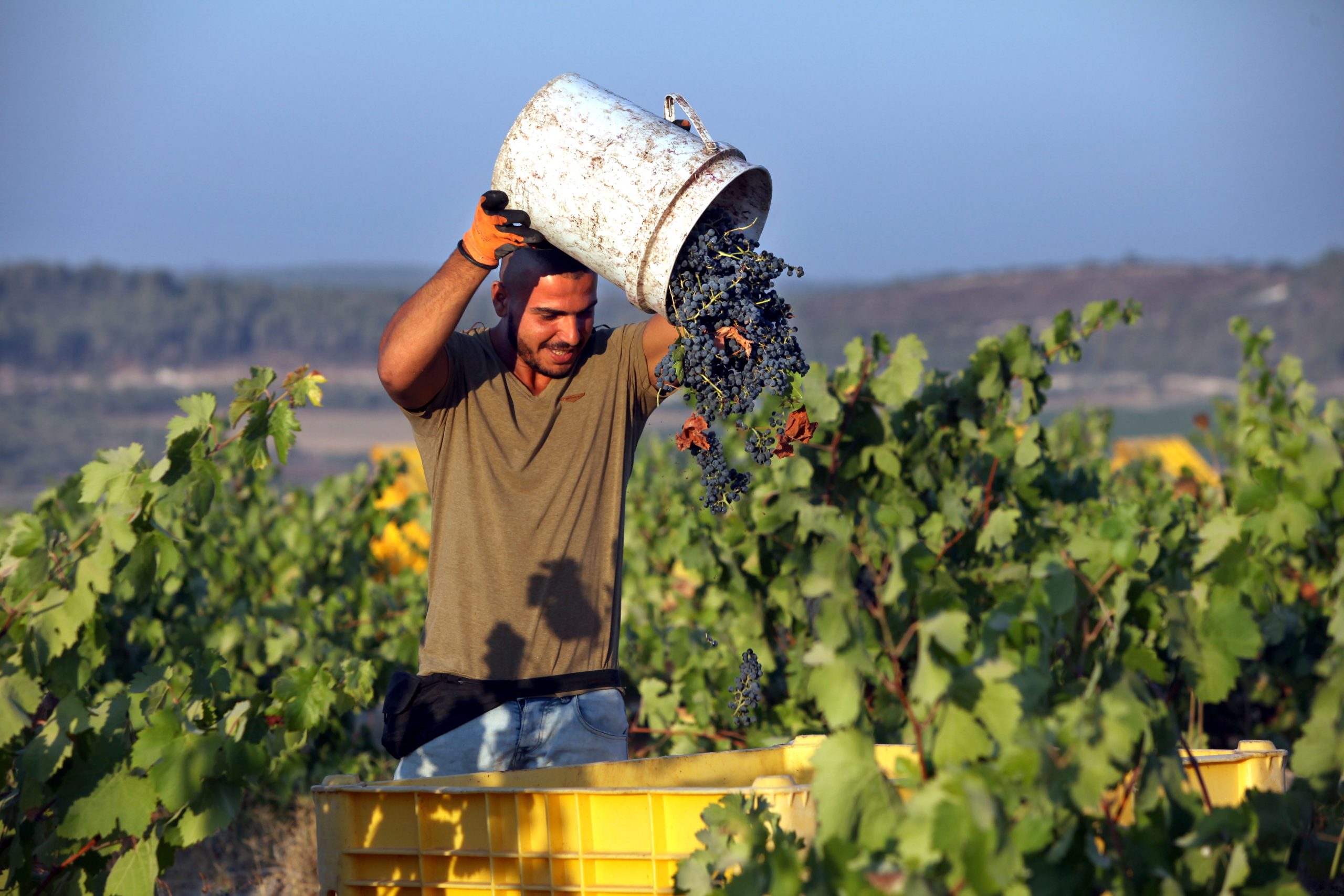
A family farming organic terraces

In the Sorek Valley, the valley of Samson's story, with Jerusalem a short drive away.
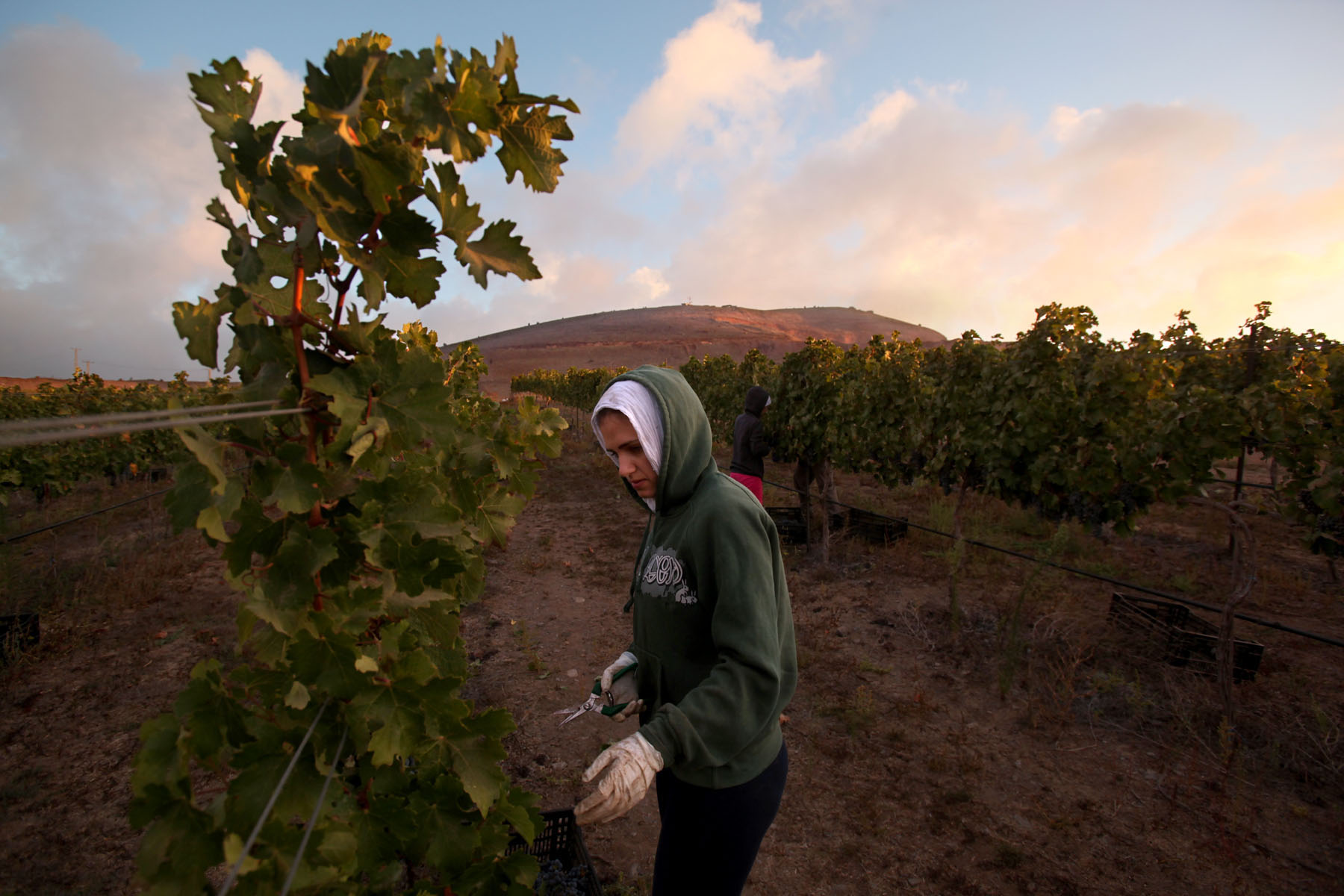
A young winemaker in the Negev highlands

Where vines grow in desert soil and the night air does the cooling.
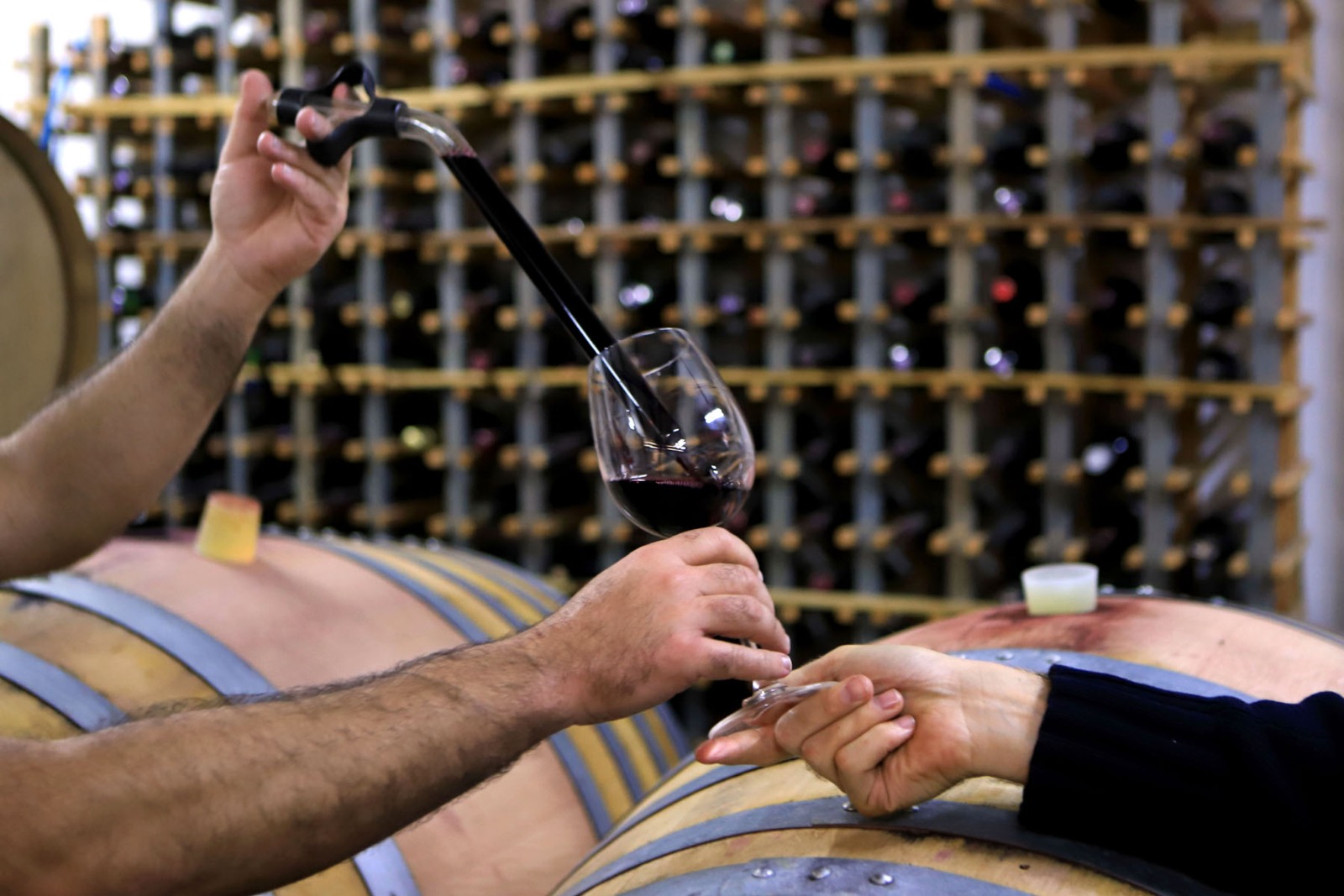
Trappist monks on the road between Tel Aviv and Jerusalem

Making wine in a monastery founded in the 19th century.
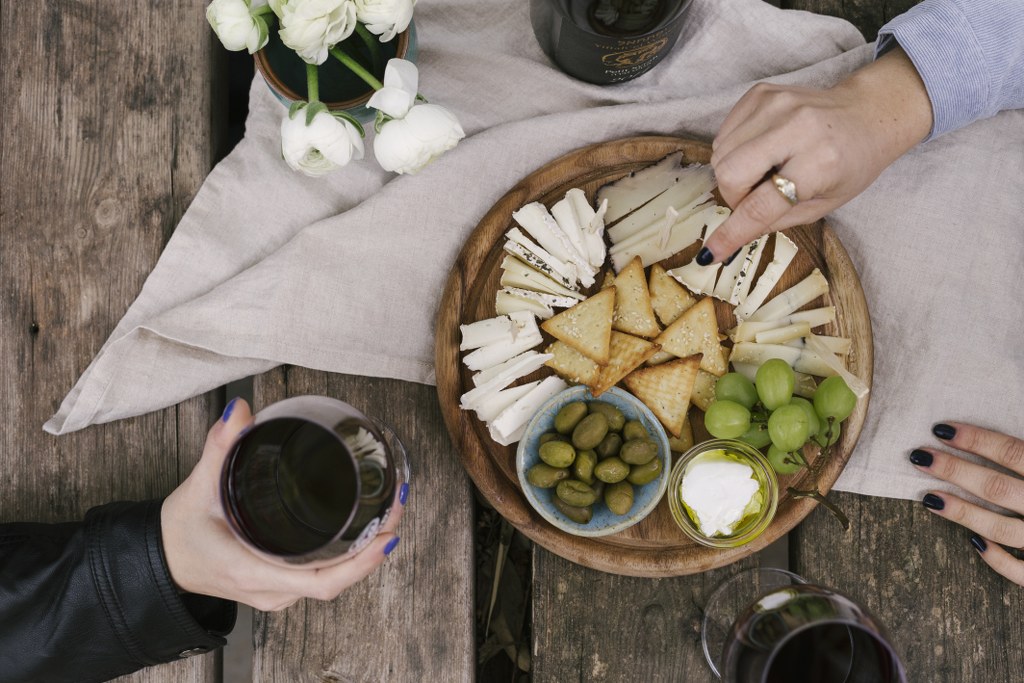
A host who sets a long table between his vines

With food from the area and wine from the rows around you.

When to come

Spring and autumn are Israel at its best.

Spring

March to May

Wildflowers on the Galilee hills, new green on the vines, and long lunches outside before the heat arrives.

Summer

June to August

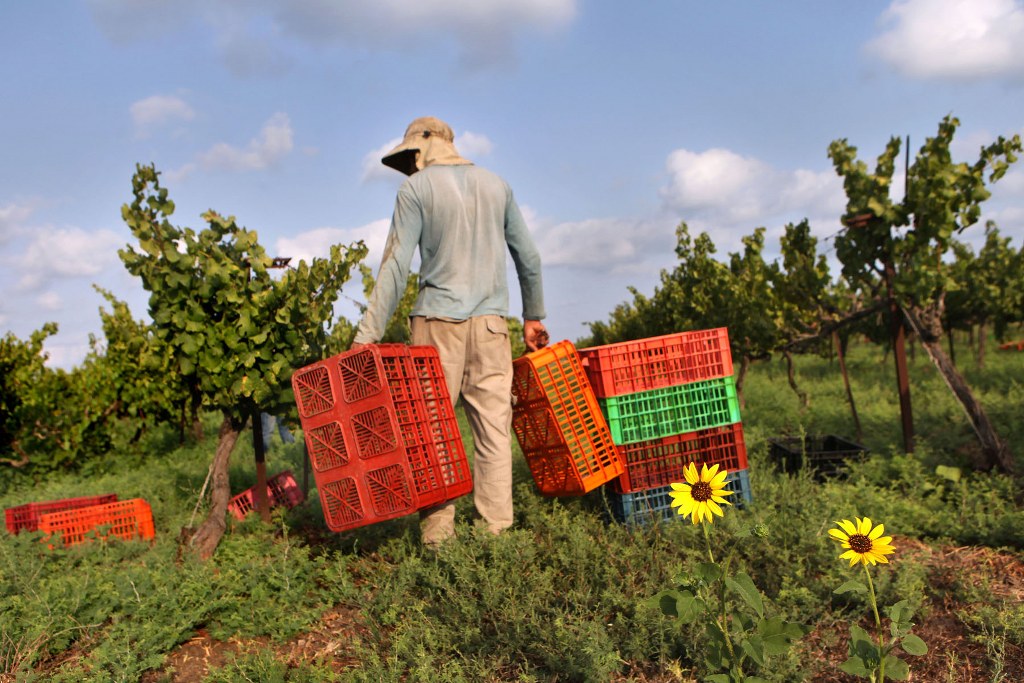
Hot days and early mornings in the vineyards. The harvest starts in the Negev in mid-July.


Autumn

September to November

The harvest moves north, from the Judean Hills to the high Golan, and the tables are at their fullest.

Winter

December to February

Rain, green hills and quiet cellars, and the desert at its most comfortable.


Meet REAL ISRAEL

The Israel on the map,
and the one around
our table.

Start by telling us who’s coming and when. Mention a bottle you loved, a region you’re curious about, or a family story that ties you to a place here. We’ll sketch a week, then shape it with you on a call. Someone real answers, usually the same day.

Israel at a glance

The shape of a trip, in short.

Ideal trip length
7 to 8 days, 5 at the least.
Best seasons
Spring and autumn.
Closest airport
Ben Gurion, Tel Aviv (TLV), about 45 minutes to Jerusalem and the Judean Hills.
Where you stay
A hotel among the vines, a spa hotel in the Galilee, and nights in Jerusalem and Tel Aviv.
Wine focus
Cabernet and Syrah from basalt and limestone, old-vine Carignan, desert reds.
Culinary focus
Markets in Jerusalem and Tel Aviv, local cheese and olive oil, Moroccan and Middle Eastern tables, dinner with a winemaker.
Trip style
Private, tailor-made, at the winemakers’ own tables.
Best for
A first visit, travelers with family roots here, and wine lovers curious about a new map.

A few things people ask

About a trip to Israel.

There are 5 official regions: the Galilee (with the Golan), the Shomron, Samson, the Judean Hills and the Negev. We spend most of our time in 3 of them: the Galilee and Golan in the north, the Judean Hills around Jerusalem, and the Negev in the south.

Cabernet Sauvignon, Carignan and Merlot are the most planted reds, with Syrah close behind. For whites, the finest come from Chardonnay and Sauvignon Blanc. Old-vine Carignan is the one to watch.

Many Israeli wineries are kosher, and many are not. If you keep kosher, tell us in advance, and we’ll build every meal and tasting around it.

We live here, and we follow the situation every day. Before you book, and again before you fly, we’ll tell you plainly what we know.

7 to 8 days lets you see the north, Jerusalem and the desert without rushing. 5 days works if you focus on 1 or 2 regions.

Spring and autumn. Spring brings wildflowers and green vines, and autumn brings the harvest and the fullest tables. Summer is hot, and winter is green, quiet and good for the desert.

It runs south to north. The Negev starts in mid-July, the Judean Hills pick in August and September, and the high Golan finishes in October, sometimes into November.

A hotel among the vines, a spa hotel in the Galilee, and nights in Jerusalem and Tel Aviv, so every day ends somewhere worth coming back to.

Market food in Jerusalem and Tel Aviv, local cheese, olive oil from the mill, Moroccan and Middle Eastern cooking, and at least 1 dinner with a winemaker.

Many close from Friday afternoon through Saturday, and on Jewish holidays. We plan the week around it, and Friday morning is when the markets are at their busiest and best.

Jerusalem’s Old City with a local guide, Tel Aviv’s markets and bars, olive oil and cheese makers, craft beer, a chocolate workshop with local flavors, and the historic sites around the Sea of Galilee.

A volcanic plateau in the north that rises to 1,200 meters. Vines were first planted there in 1976, and by the 1990s its wines had changed what the world expected from Israel.

The terraced limestone hills around Jerusalem, at 500 to 1,000 meters. Wine has been made here since biblical times, and ancient presses still turn up between the vines.

Yes. In the Negev highlands, hot days and cold nights keep the wine fresh, and some growers farm the way the Nabataeans did 2,000 years ago.

Wine has been made here since biblical times, and in the Roman period it was shipped to Rome. The modern chapter began in 1882, with the support of Baron Edmond de Rothschild.

Not at all. Some of our travelers are collectors, and some are on their second glass ever. We pour at the level of the table.

We suggest 4 to 6 months, and more if you want the harvest or a holiday period.


You can, though on a wine trip we’d rather you didn’t. A driver and guide are with you throughout, so every glass is yours to finish.

Designed by Vinspiration

Built by hand, by the two of us.

Every Israel trip is built by hand, from friendships we have kept for years and from the tables we eat at ourselves.

Guy Haran, international wine judge and co-founder of Vinspiration

Guy Haran

Twenty years building wine trips, from Israel across Europe. A Riedel ambassador and WSET-trained wine educator, one of the creators of Wine Journey: An Israeli Adventure, a bilingual guide to 176 Israeli wineries, and host of the Wine is Basic podcast. In 2026 he helped lead the work that made the Negev an internationally recognized wine region. The friendships behind every winery door on this page are his.
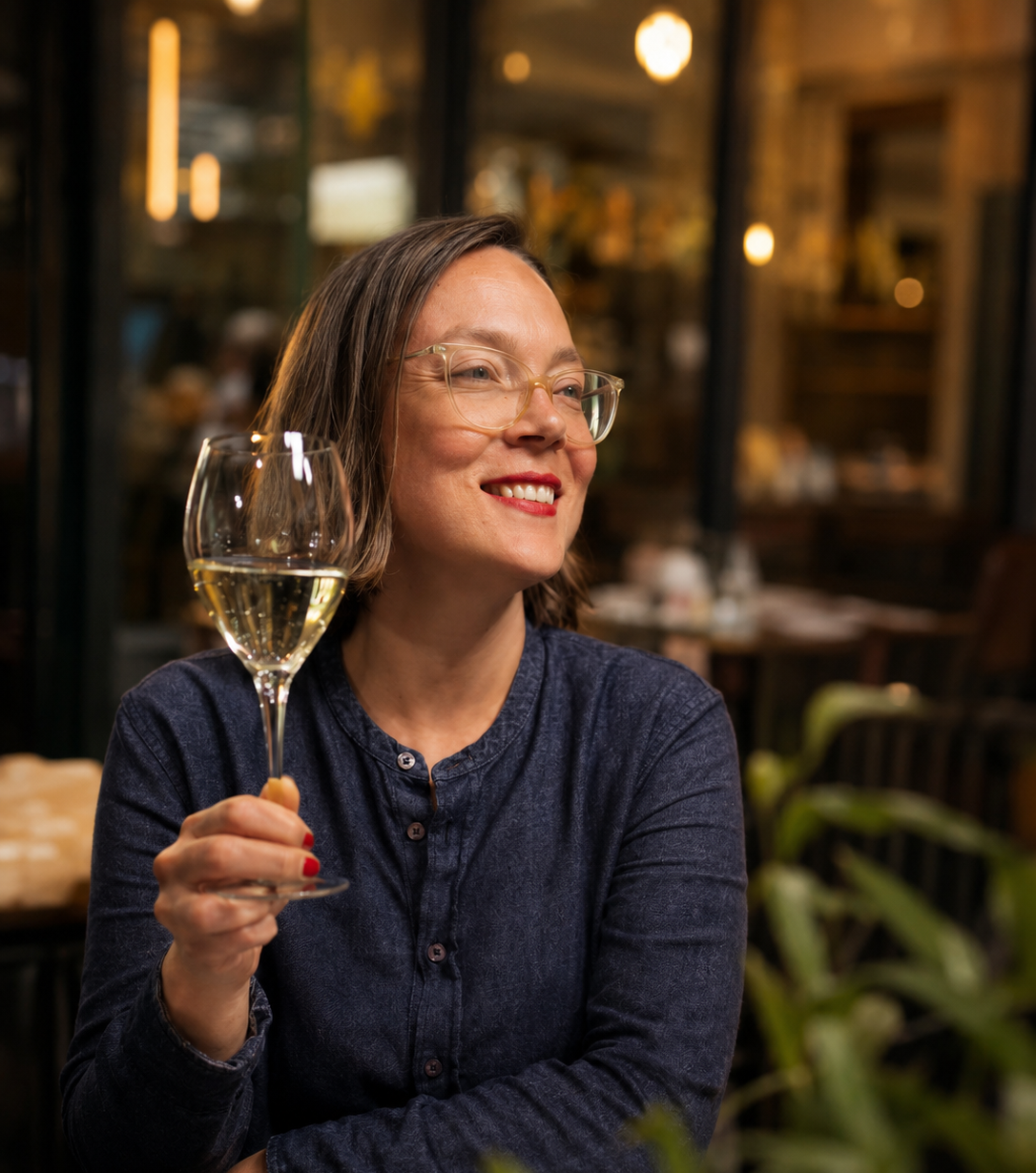
Dikla Rom, wine tourism specialist at Vinspiration

Dikla Rom

Dikla has built many trips across Israel, and she knows its wine from the inside, from her years as a sommelier at leading Jerusalem restaurants. She holds WSET Level 3, passed with distinction, and makes every piece of the trip run like an orchestra. Precise and meticulous, she coordinates the wineries, tables and timing.

We use cookies to personalise content and ads, to provide social media features and to analyse our traffic. We also share information about your use of our site with our social media, advertising and analytics partners. View more
Cookies settings
Accept
Cookie Settings
Privacy & Cookies policy
Cookie name Active
We use cookies to keep the site working, to understand how visitors use it and to measure our advertising. You can choose which cookies to allow here. Read more in our Privacy Policy and our Company Policy and Regulations.
Save settings
Cookies settings