
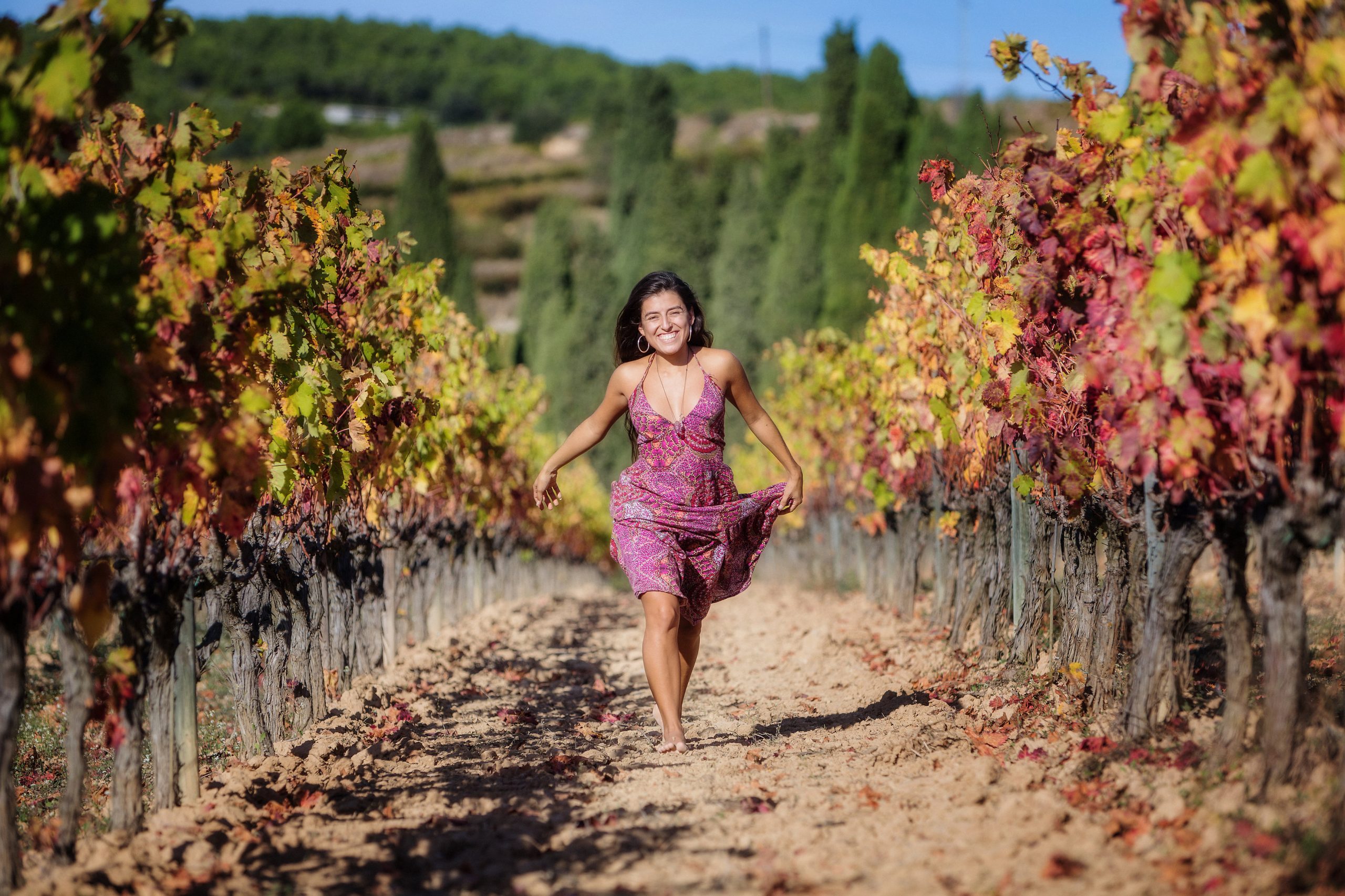
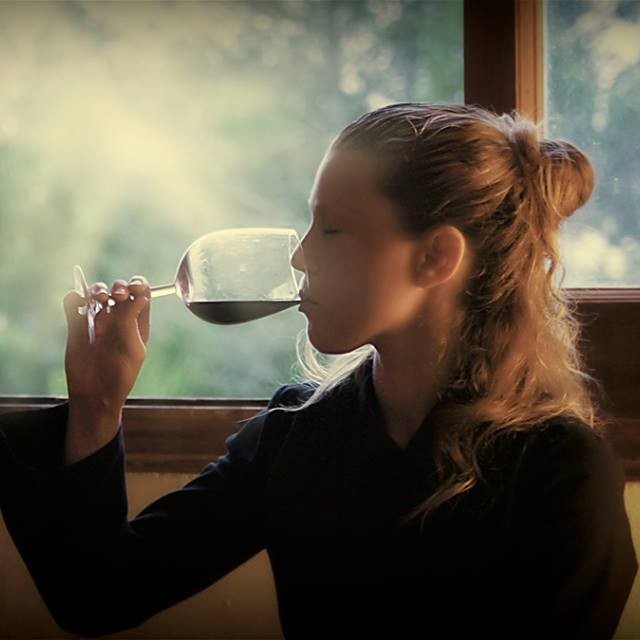
Catalonia · Spain

Catalonia, from sea facing Cava to the black slate reds of Priorat

Old Garnacha and Carinena on the black slate of Priorat, and Penedes cellars an hour from Barcelona. A wine professional with you from the coast to the terraces.

Why we come back here

In Catalonia the wine world opens its door.

In Catalonia the wine world opens its door and pours. Priorat is 12 tiny stone villages, a few hundred people in each, a 20 to 30 minute drive apart, and the owner or the winemaker is usually the one who greets you. We keep the groups small, most often under 10, so you sit at the family table rather than a tasting counter.

Read more

What still gets us is the short drive. In one morning you can stand in a sea-facing Cava cellar, and by evening be on a near-vertical terrace of black slate in Priorat, pouring some of Spain’s most powerful reds. Two extremes of Spanish wine, barely 90 minutes apart.

The flavour of the place

The reds, the sparkling, the Catalan plate, and the land that shapes them.

The reds

Priorat is Garnacha and Carinena grown on llicorella, the crumbling black slate and quartz that forces old vines deep. Steep terraces, tiny yields, and reds that are dark, mineral and built to age. Priorat is one of only 2 regions in Spain to hold the top DOQ rank, alongside Rioja.
The sparkling

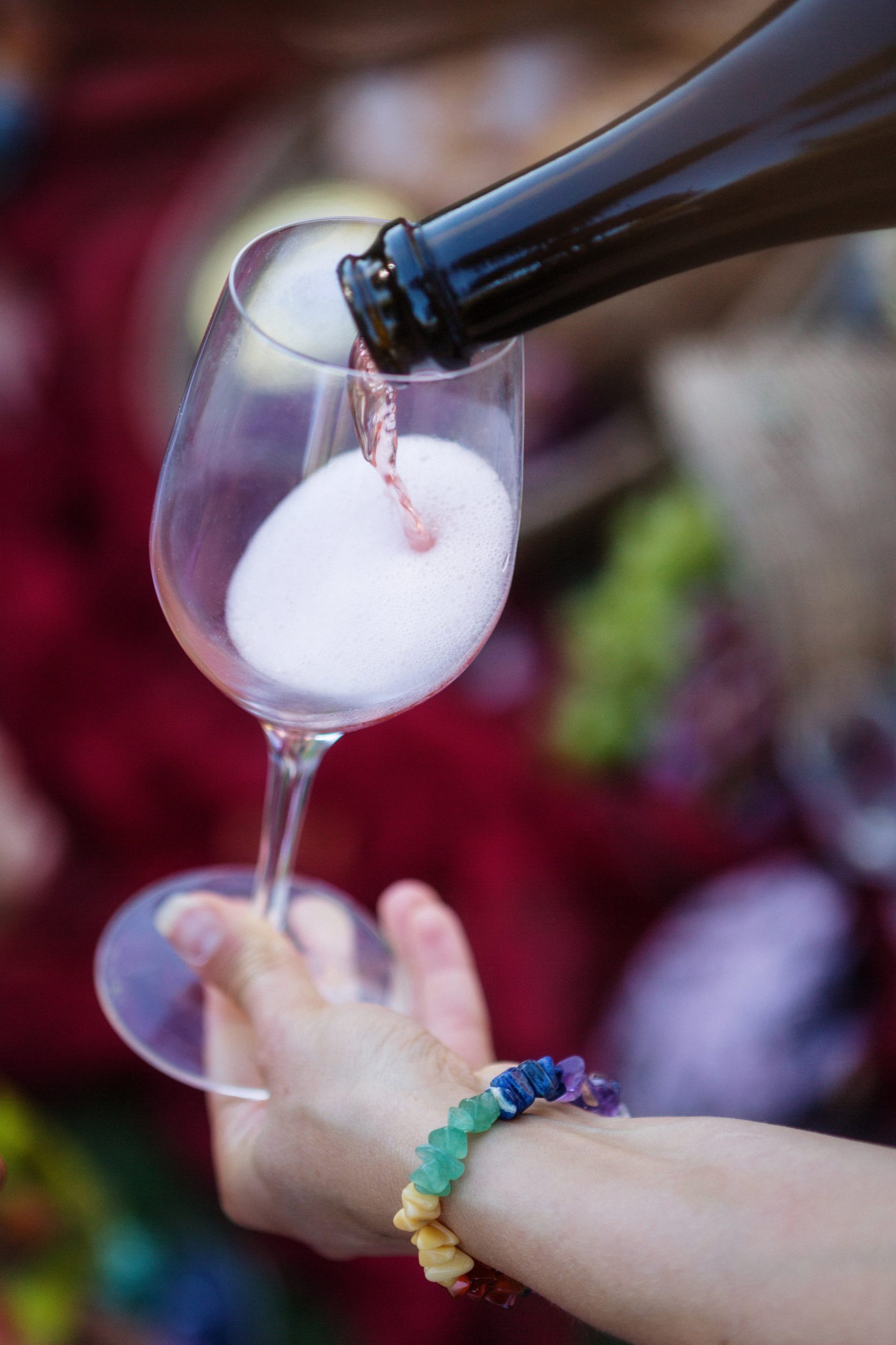
Cava is made like Champagne, a second fermentation in the bottle, from Xarel-lo, Macabeu and Parellada. Most of it comes from Catalonia, around Sant Sadurni d’Anoia in Penedes. A wave of small growers now makes it organic and hand-harvested, aged long in the bottle.
The plate

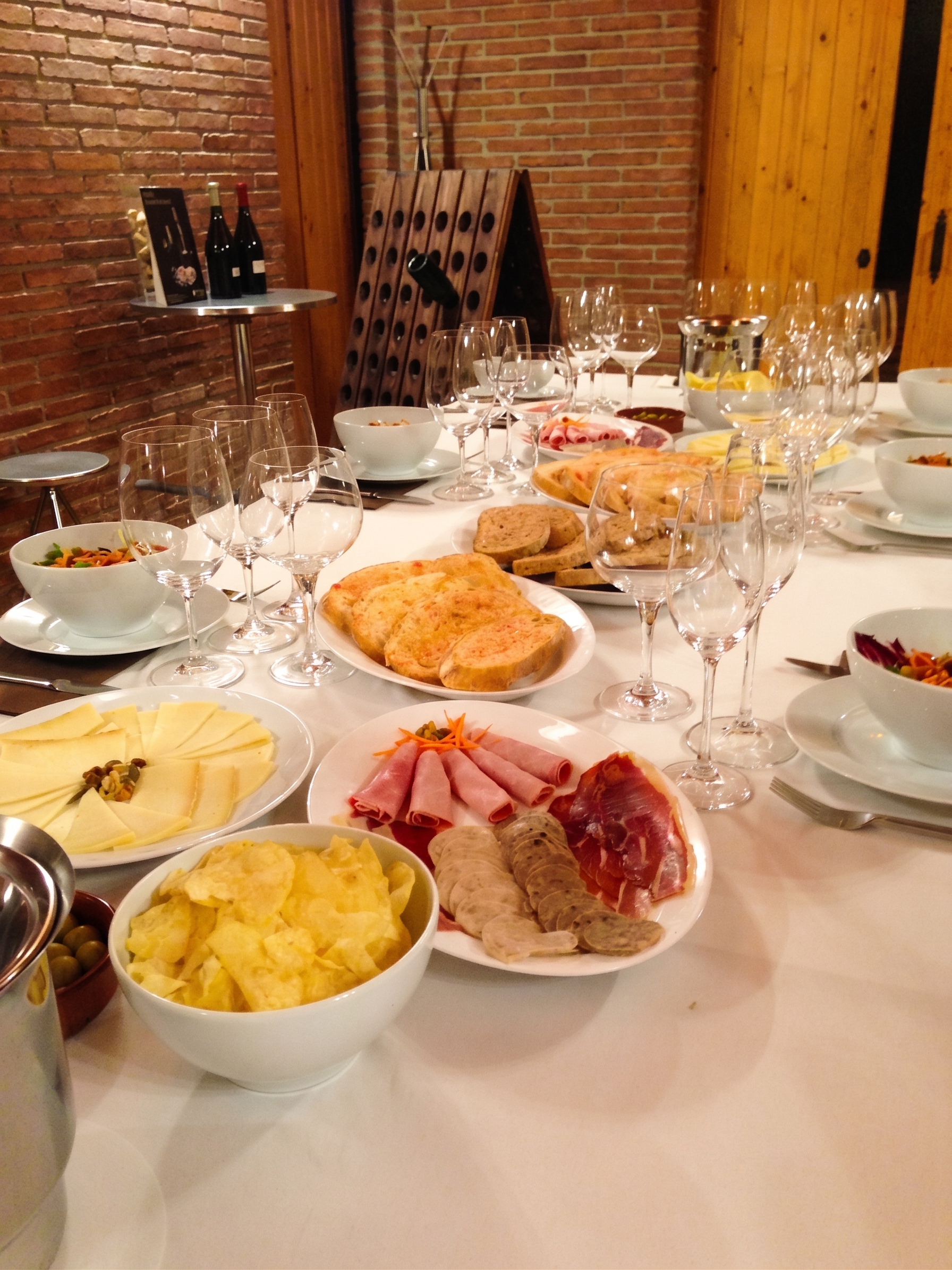
Calcots pulled through romesco in season. Pa amb tomaquet on every table. Arbequina olive oil, almonds and hazelnuts, salt cod, sheep and goat cheeses, and celebrated fish paella by the sea. Vermouth at dusk is the local ritual between wines.
The land

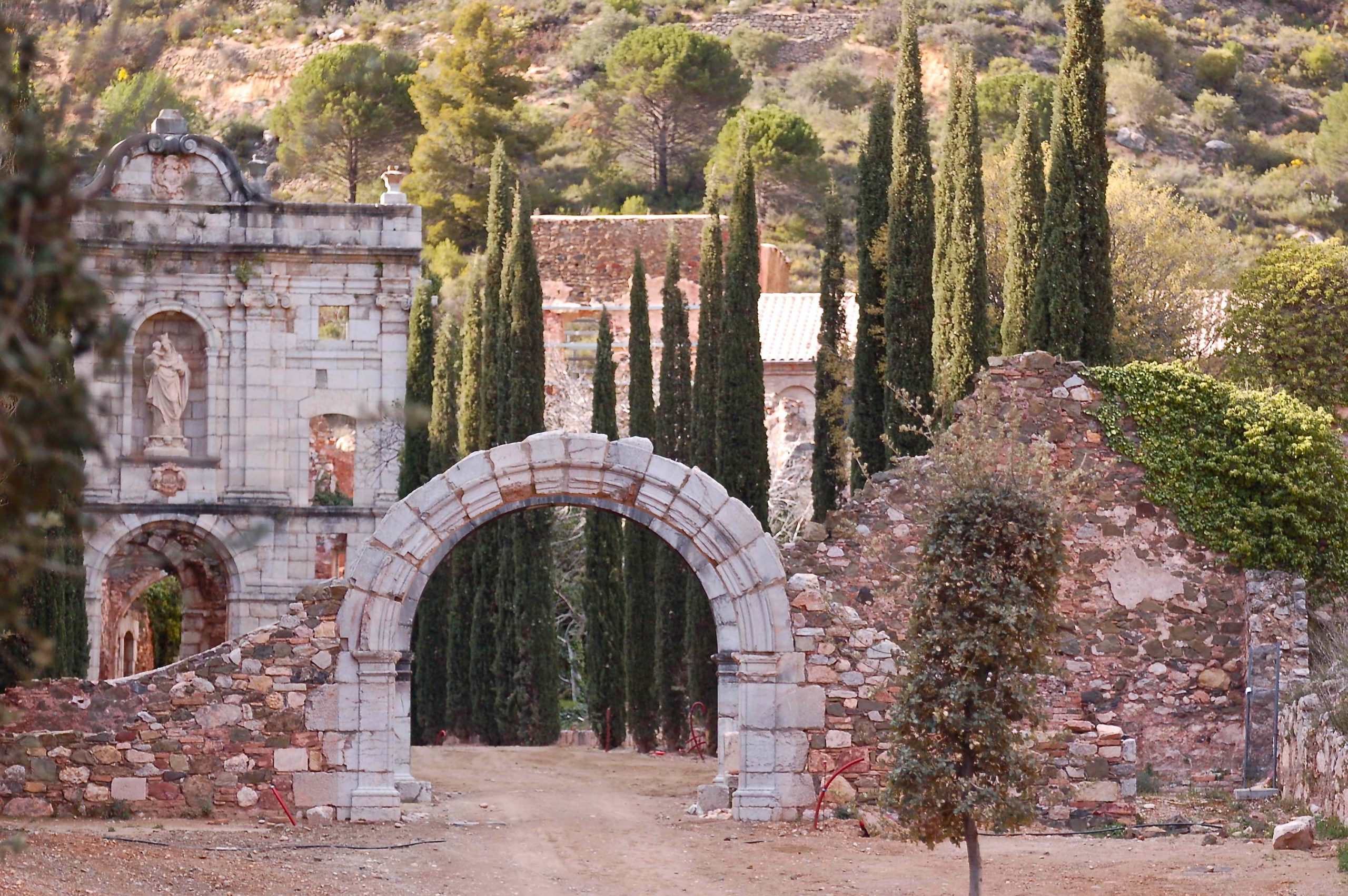
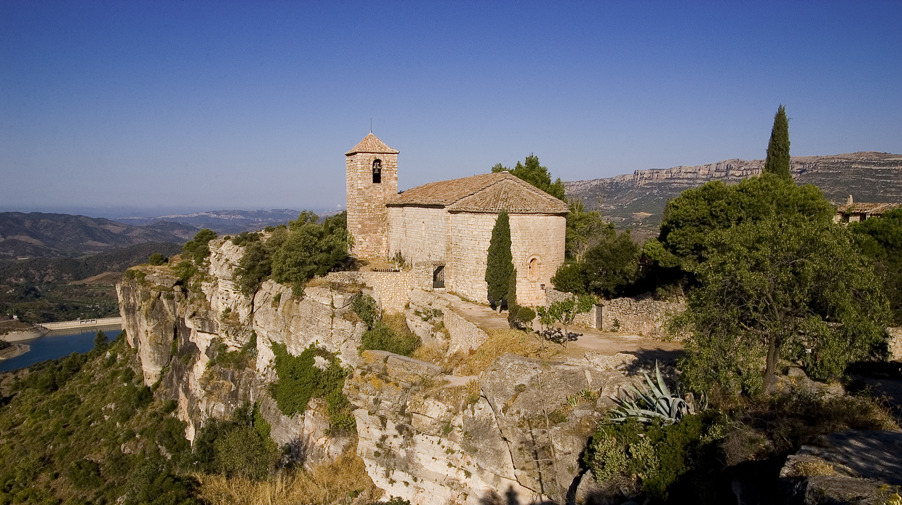
The ruined monastery of Scala Dei, where monks planted the first vines in the 12th century. Clifftop Siurana, the last Moorish stronghold in Catalonia. Montsant wraps around Priorat, so 2 appellations sit in one short trip, with the coast at Sitges and Roman Tarragona nearby.
Catalonia wine, in short

The full range, one region.

Catalonia spans the full range of Spanish wine in one region. On the coast, Penedes makes traditional-method Cava from Xarel-lo, Macabeu and Parellada, and leads Spain in organic vineyards. Inland, Priorat grows Garnacha and Carinena on black llicorella slate for dense, ageworthy reds, one of only 2 DOQ regions in Spain with Rioja, wrapped by the Montsant appellation.

Read more

Our Catalonia field notes walk through the villages, the slate and the sparkling, on the blog.

One day, in detail

To give you the feel.

A real day from a recent Catalonia trip, built from the producers and experiences we know here.
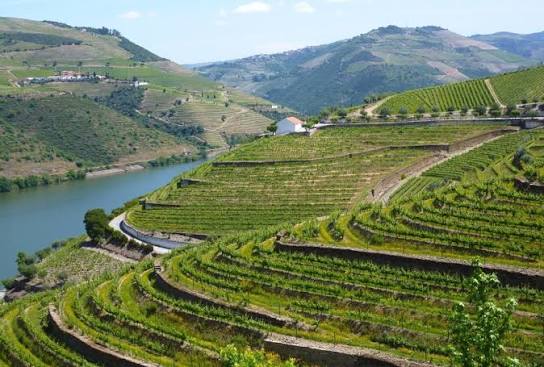
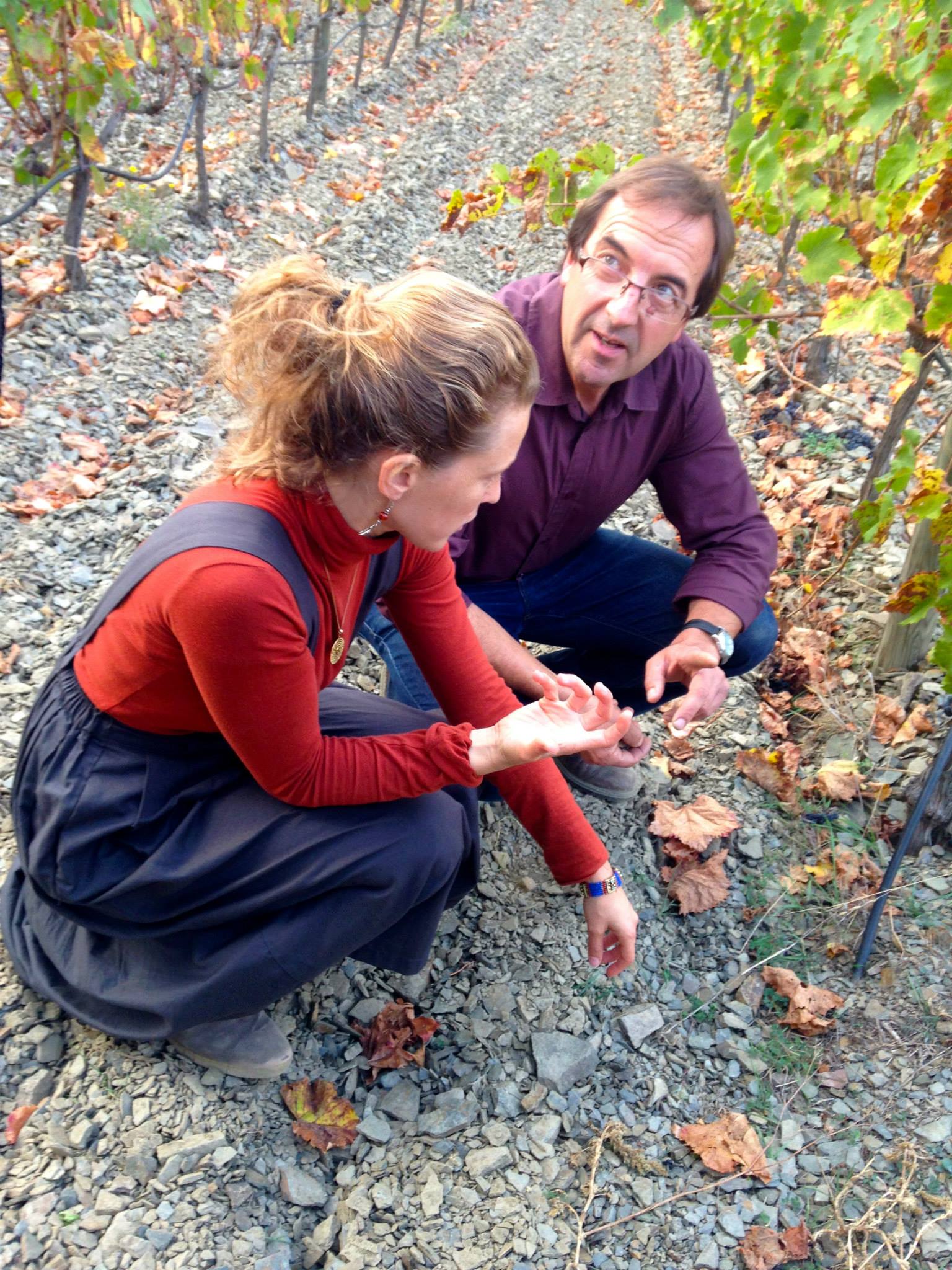
slate terracesA grower on the black llicorella slate terraces of Priorat among old Garnacha vines
09:30

Out on the llicorella terraces with a grower, black slate crunching underfoot, walking between old Garnacha vines rooted deep in the rock.
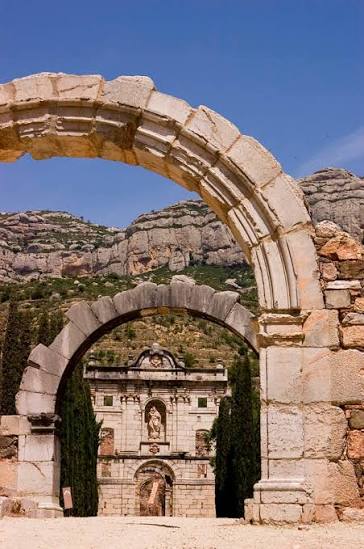
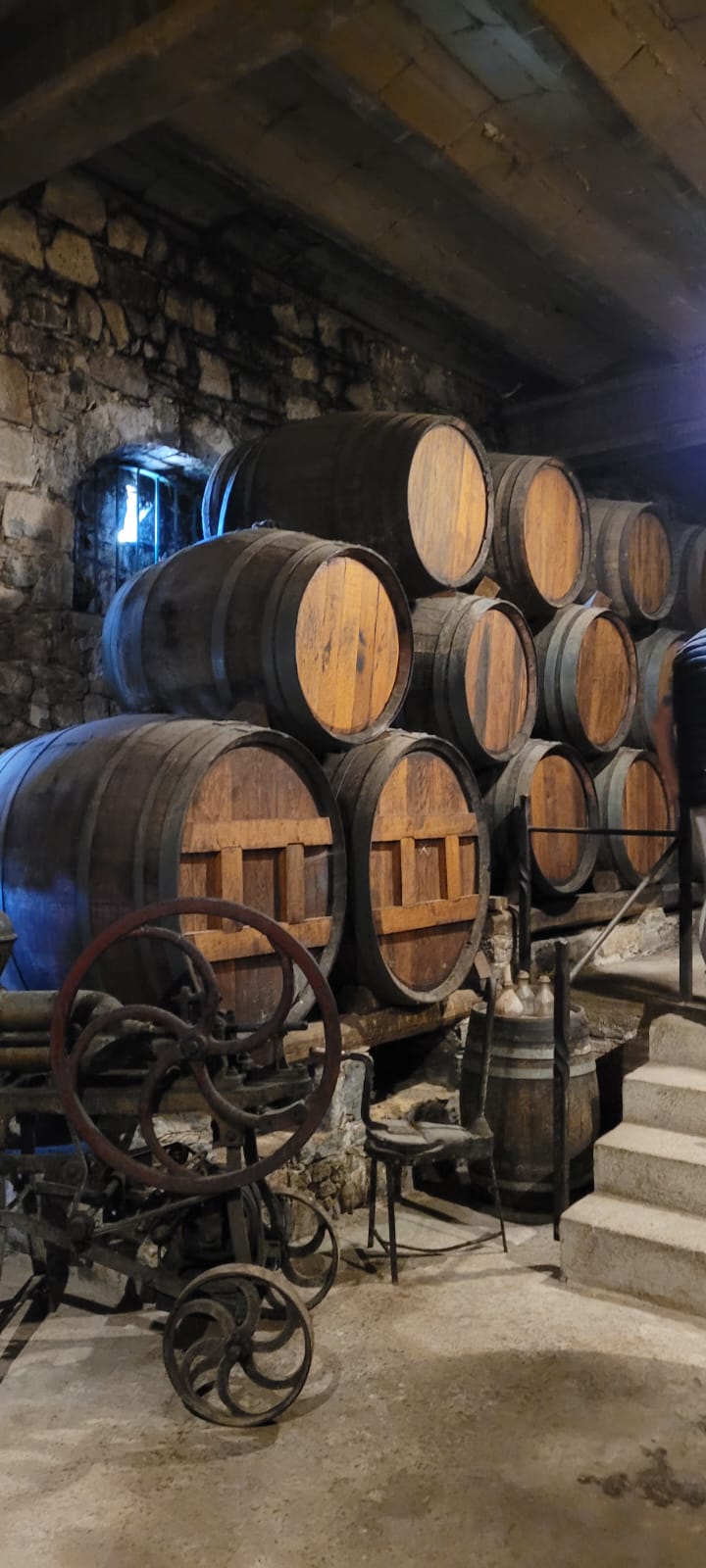
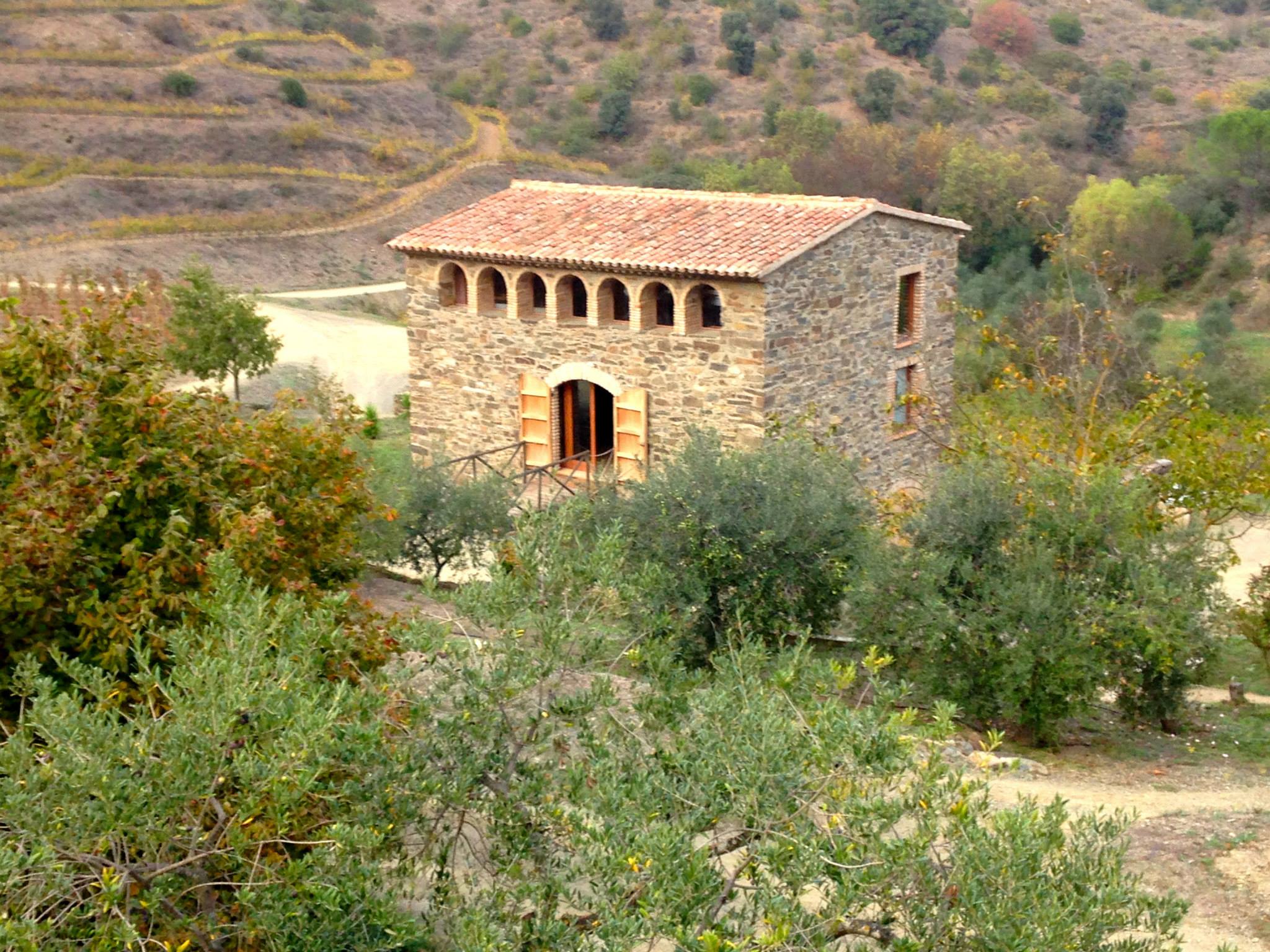
monk cellarsThe 17th-century monk cellars beside the ruins of Scala Dei in Priorat
11:30

Into the 17th-century monk cellars beside the ruins of Scala Dei, where Priorat wine began and some is still aged the old way.
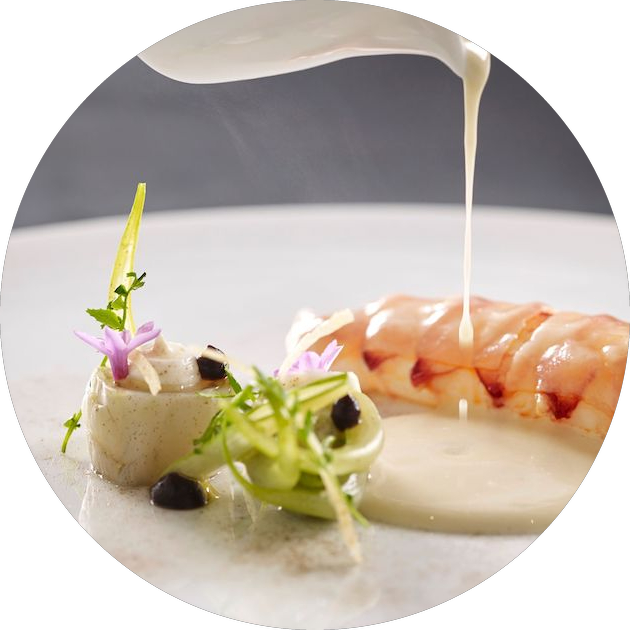
village lunchA village restaurant tasting menu with a deep list of local Priorat reds
13:30

Lunch at a village restaurant of about 10 tables, a chef’s tasting menu cooked in front of you with a deep list of local reds.
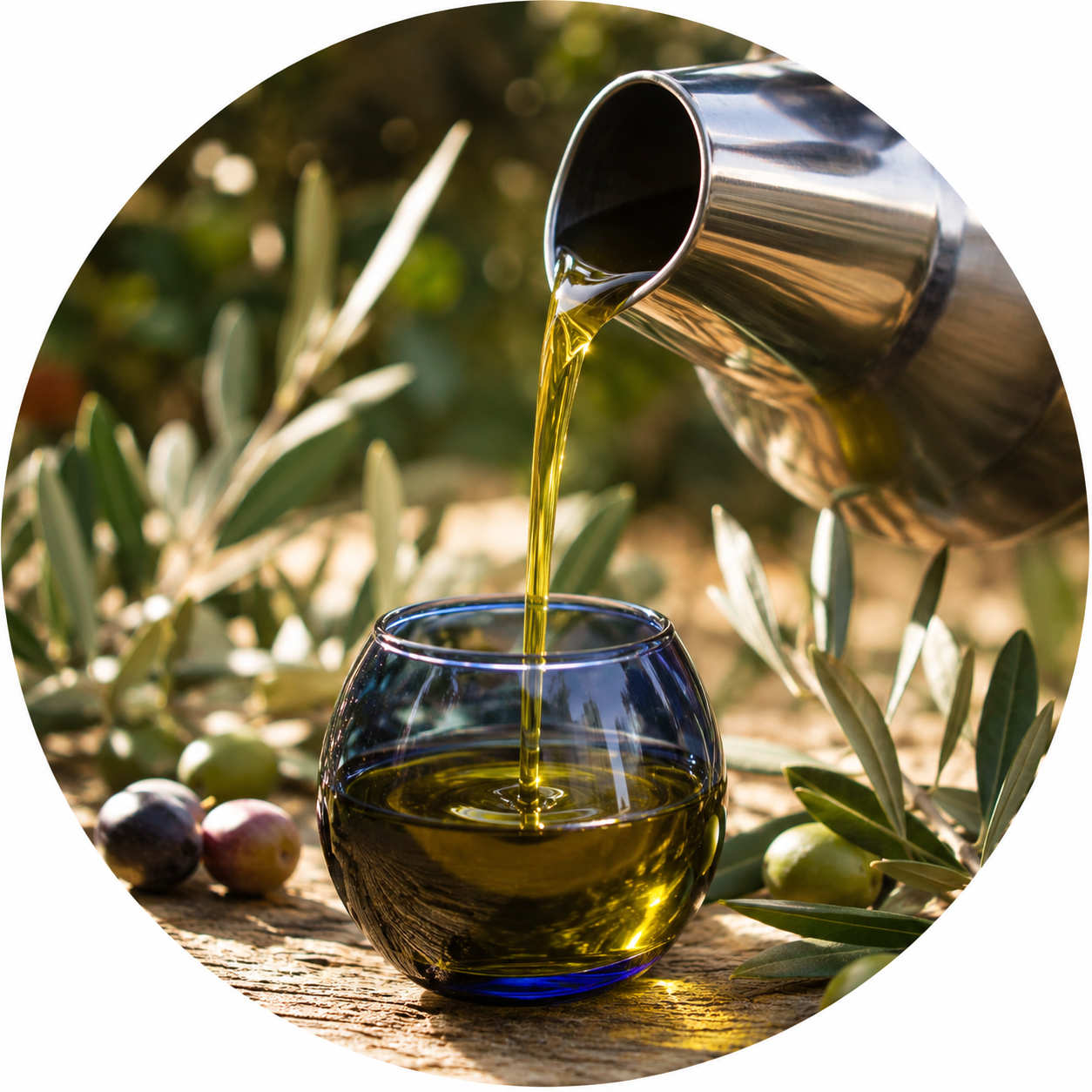
olive oilAn Arbequina olive oil tasting ending with olive-oil-filled chocolate
17:00

An Arbequina olive oil tasting that ends with olive-oil-filled chocolate, then a glass of Catalan vermouth as the light drops.
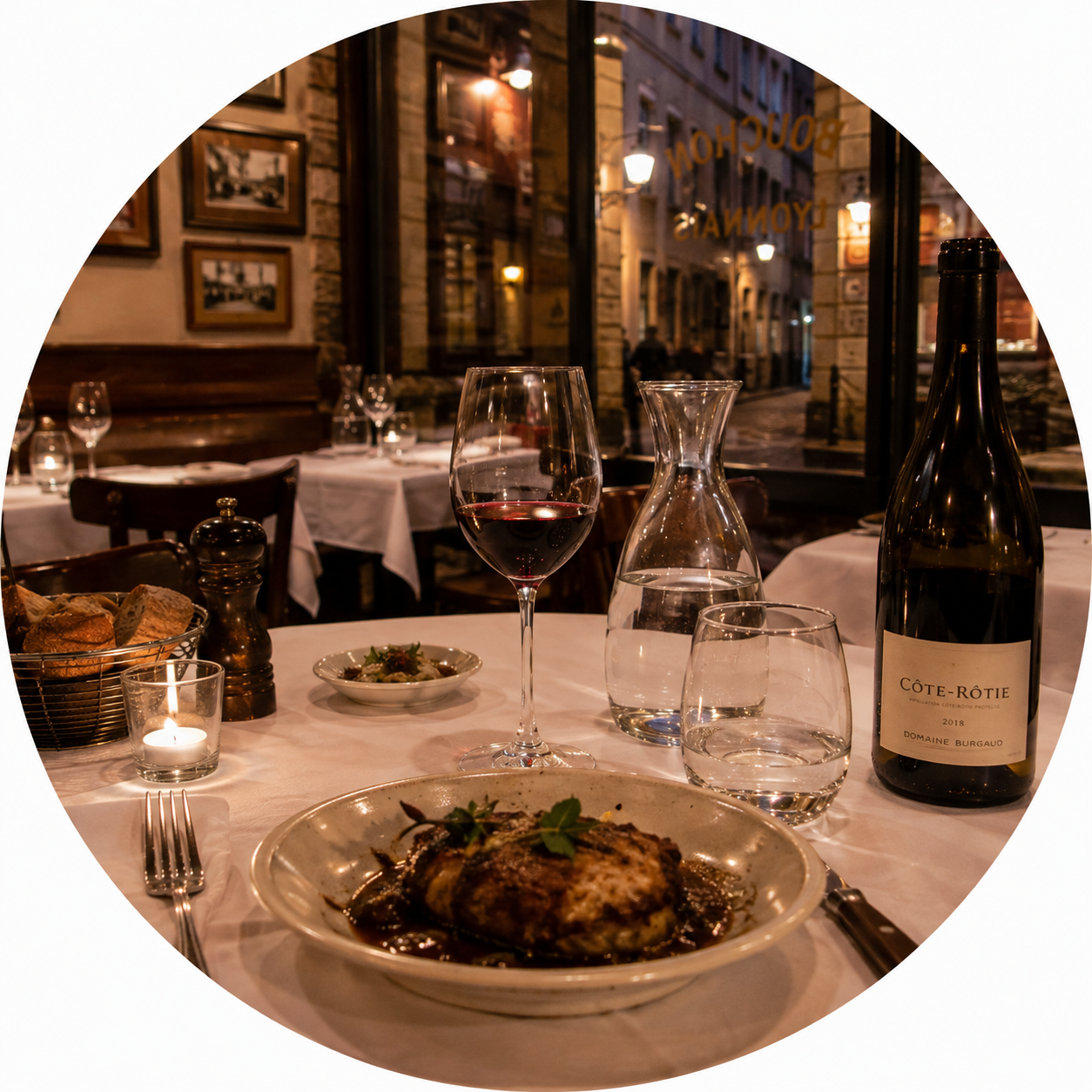
estate dinnerDinner on a mountaintop family estate in Priorat, the winemaking couple pouring their own reds
20:30

Dinner on a mountaintop family estate, the winemaking couple pouring their own reds, the whole valley dark and the stars out.
Who opens their doors to us here

Friends, twenty years in.

The monastery-rooted historic cellar

where Priorat wine began and bottles still age in centuries-old monks’ cellars beside the ruins.
The revival-era family estate

founded by one of the growers who brought Priorat back to life in the 1980s, with the owner as your host.
The mountaintop family winery

organic and hard to reach, for a private tasting with the winemaking couple and a chef’s dinner under the stars.
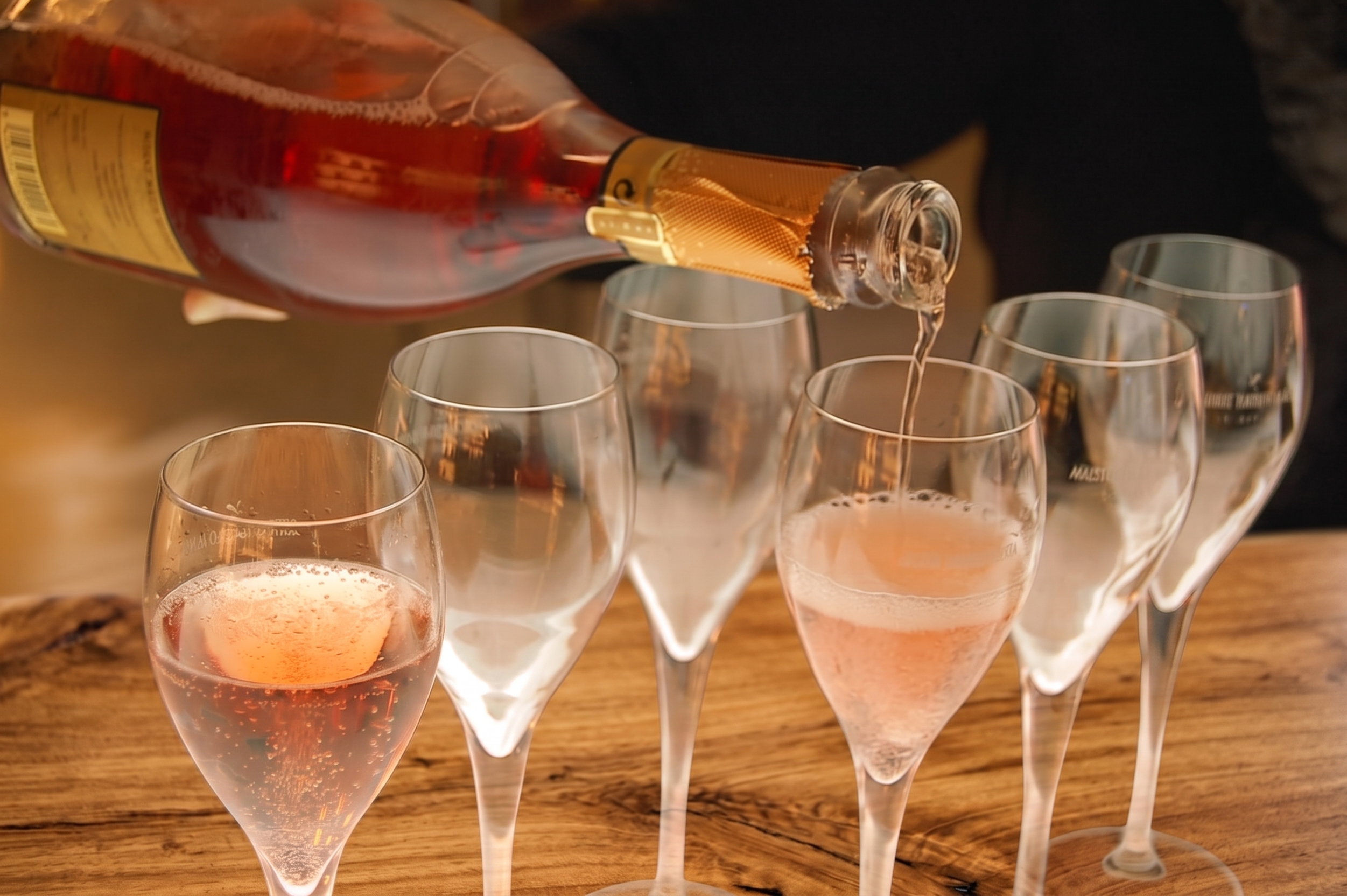
The grower Cava house in Penedes

a small organic estate making traditional-method sparkling by hand, the opposite of the industrial reputation.
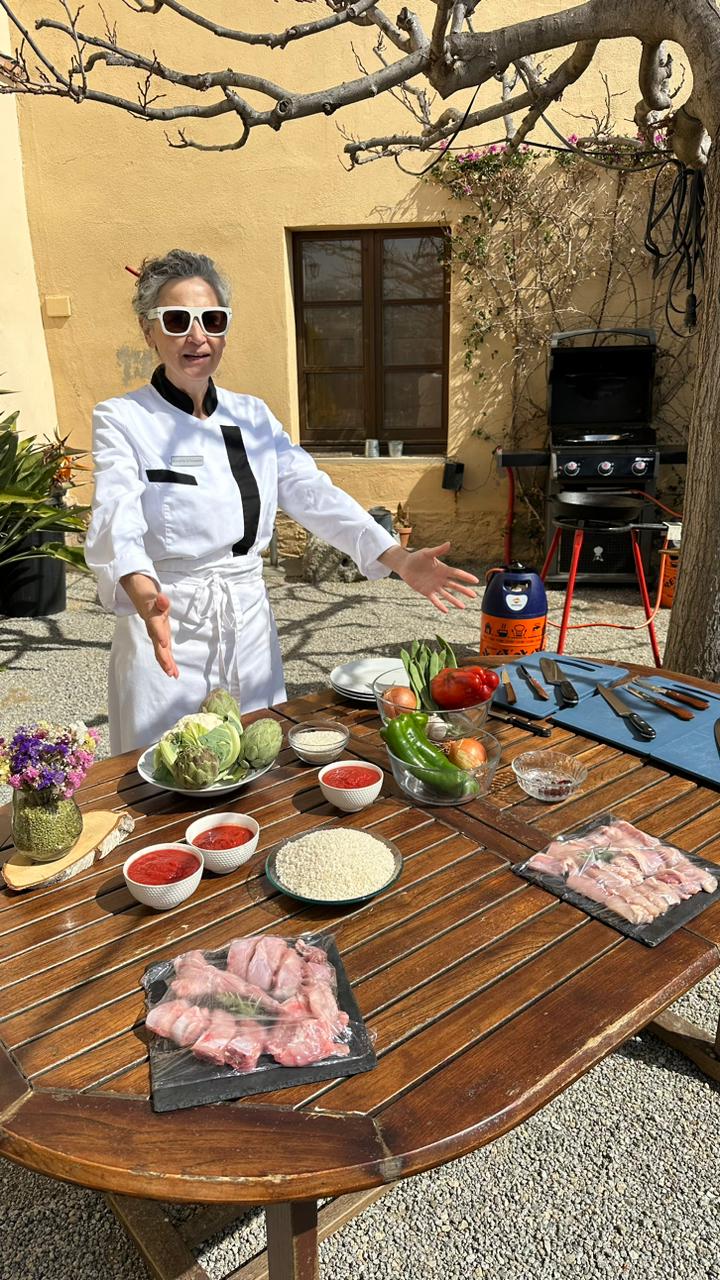
The village chef

about 10 tables, a tasting menu and a local wine list, cooked while you watch.
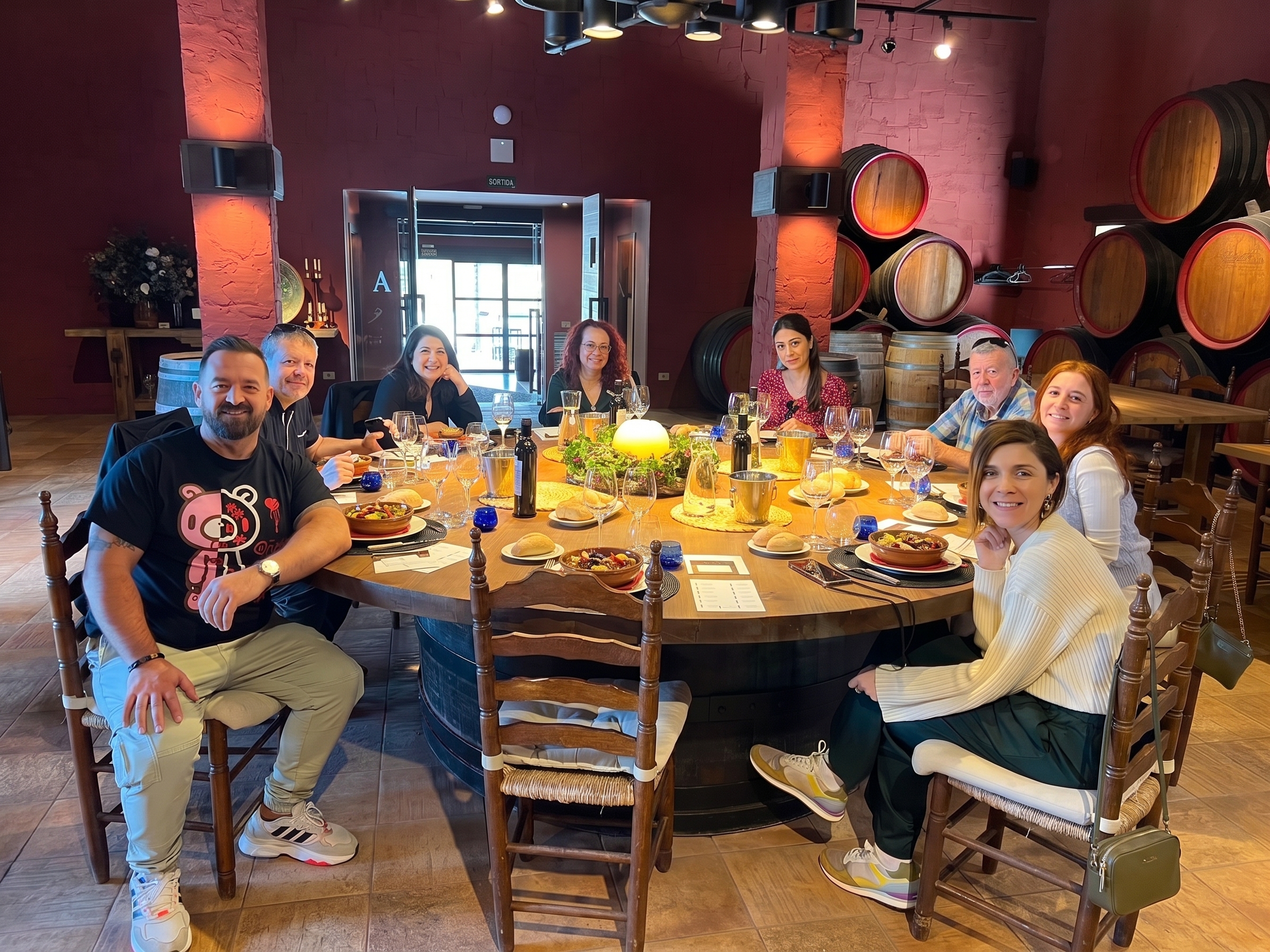
Abadal Winery Cataluna

The cultural host in Falset

who leads a private theatrical walk through the town’s Sephardic history, past doorways still marked from before the expulsion from Spain.
When to come

Every season here has its own light.

Spring

April to June

Mild days around 20 to 26 degrees, green vines, long light.

Summer

July to August

Warm and lively on the Penedes coast, hot and dry up in Priorat.

Autumn

September to October

Harvest, the fruit coming in, the best all-round time to come.

Winter

November to March

Quiet and local, cool and clear, with climbers and hikers in the Priorat hills and the mild coast open year-round.

Priorat vs Rioja

Which one fits you better?

Both hold Spain’s top DOQ rank, and both are excellent, so travellers weighing a Spanish wine trip often compare them, and plenty do both on one private journey. Here is how they differ.

Priorat

Black slate, powerful reds, and the winemaker at the door

The feeling

Tiny and steep, 12 stone villages you can drive between in half an hour, with the winemaker at the door.

The wine

Garnacha and Carinena on black llicorella slate, dense, mineral and concentrated, read village by village.

The landscape

Near-vertical terraces of black llicorella slate, wrapped by Montsant, with the coast and Barcelona within reach.

The food

A table that runs from the sea to the mountains, calcots and romesco, fish paella, Arbequina oil and pa amb tomaquet.

Best for

Tasting slate-grown power up close, and adding Cava, the coast and Barcelona to the same week.

Rioja

Rolling vineyards, tempranillo, and the pincho street

The feeling

The large, established name, century-old houses beside modern architecture across a broad region.

The wine

Tempranillo, generally lighter and elegant, aged through crianza, reserva and gran reserva.

The landscape

Rolling vineyards under the Sierra de Cantabria, around Logrono and Haro.

The food

Logrono’s pincho bars, one small plate per doorway.

Best for

Reading the ladder of aging and eating down a tapas street. Many travellers do both regions with us.

Want the benchmark reds and the tapas streets? Read about Rioja. Weighing another Spanish great? Ribera del Duero makes an easy compare.

YOUR PLACE AT THE TABLE

The table is already set for you.

Tell us who is coming and what you love to drink, and we build the trip around it: the cellars, the tables, the pace.

A real person replies, usually the same day.

Catalonia at a glance

The shape of a trip, in short.

The shape of a trip, in short.

Ideal trip length
5 to 8 days, with Barcelona as the gateway.
Seasons
May to June and September to October for the vines, September and October for harvest.
Gateway airports
Barcelona, about 20 minutes to the coast, 30 to 40 minutes to Penedes, 1.5 to 2 hours to Priorat.
Pace
one base at a time, short 20 to 30 minute drives between villages.
Where you stay
a 5-star vineyard wine-hotel with a spa in Priorat, and a coastal base near Sitges and Penedes.
Wine focus
Priorat Garnacha and Carinena, llicorella slate, Cava, grower sparkling, Montsant.
Culinary focus
calcots, romesco, pa amb tomaquet, Arbequina olive oil, salt cod, fish paella, vermouth.
Best for
couples, food lovers, and anyone who wants both fine sparkling and powerful reds in one trip.

A few things people ask

About a trip to Catalonia.

Yes. It is the one region where a single trip runs from sea-facing traditional-method Cava in Penedes to dense, slate-grown Priorat reds, one of only 2 DOQ regions in Spain. Add Catalan food, coastal towns and Barcelona, and few regions offer this much range in one place.

Powerful red wine from Garnacha and Carinena grown on llicorella, the black slate soil that forces old vines deep and gives the wine its mineral, concentrated character. Priorat holds Spain’s top DOQ rank, one of only 2 regions to do so, and its reds are built to age.

Cava is Spanish sparkling wine made the same way as Champagne, with a second fermentation inside the bottle, from the grapes Xarel-lo, Macabeu and Parellada. Most of it is made in Catalonia, around Sant Sadurni d’Anoia in Penedes.

Both are made by a second fermentation in the bottle, so they share the fine bubble. Cava comes from different grapes, mainly Xarel-lo, Macabeu and Parellada, and from Catalonia rather than northern France, and it is often far better value.

Both are Spain’s only 2 top-rank DOQ regions, and both are excellent. Rioja is Tempranillo, generally lighter and elegant, aged through crianza, reserva and gran reserva. Priorat is Garnacha and Carinena on black llicorella slate, denser, more mineral and concentrated, read village by village.

Llicorella is the crumbling black slate and quartz soil of Priorat. It holds little water, so old vines send their roots metres down through the rock, which gives the reds their mineral edge and concentration.

May to June and September to October are the sweet spots, with mild days and long light, and September and October add the harvest. Summer is warm and lively on the coast and hot inland. The months outside harvest are quiet and local.

Plan 5 to 8 days for the full region. Priorat rewards 2 to 3 nights rather than a day trip, and that leaves time for Cava in Penedes, the coast and Barcelona.

Yes. Barcelona is the gateway, about 30 to 40 minutes to Penedes, then 1.5 to 2 hours on to Priorat. We recommend staying in the wine country rather than a single day trip, and we handle the car, the routing and the hosts.

Yes, and it is how we build most Catalonia trips. Penedes for coastal Cava and Priorat for slate-grown reds sit barely 90 minutes apart, so one trip covers both extremes of Catalan wine.

Calcots grilled over vine cuttings with romesco sauce, pa amb tomaquet, Arbequina olive oil, almonds and hazelnuts, salt cod, sheep and goat cheeses, and fish paella by the sea. Vermouth at dusk is the local ritual between wines.

Corpinat is a separate quality mark from a group of growers who left the Cava name to make organic, hand-harvested, longer-aged traditional-method sparkling. It marks the quality-driven end of Catalan sparkling, away from the industrial reputation.

Priorat is about 1.5 to 2 hours from Barcelona by car, while Penedes is far closer, about 30 to 40 minutes. Barcelona is the gateway for the whole trip, and we handle the car and the routing so you never drive.

Yes. Priorat is a region of tiny family estates, so the owner or the winemaker is usually the one who greets you. We keep groups small, most often under 10, for private cellar visits and tastings at the family table.

Montsant is a separate appellation that wraps almost entirely around Priorat, sharing much of the same slate and grapes at gentler prices. Because the two sit side by side, one short trip can taste both.

Priorat is built on old-vine Garnacha and Carinena, grown on black llicorella slate for dense, mineral reds. There are also whites from Garnacha Blanca and Macabeu, but the region’s fame rests on its powerful reds.

Penedes is one of Spain’s greenest wine regions, with a very high share of organic vineyards and a move toward an all-organic standard. Many of the grower Cava houses we visit are certified organic and hand-harvested.

Scala Dei is the ruined Carthusian monastery where monks planted Priorat’s first vines in the 12th century. Wine is still aged the old way in the 17th-century cellars beside it, and it is where the region’s story begins.

Designed by Vinspiration

Built by the two of us.

Every Catalonia trip is built by hand by the two of us, from relationships with producers we have kept for years, not from a catalogue.

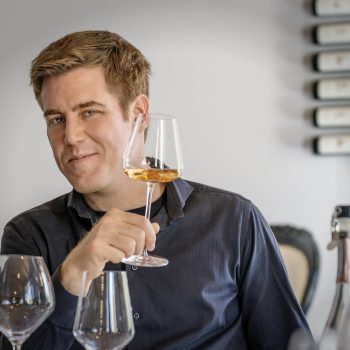
Guy Haran, international wine judge and co-founder of Vinspiration

Guy Haran

Founder & CEO An international wine judge with 20 years building wine journeys across Spain and beyond. A Riedel ambassador and WSET-trained wine educator, author of the book Wine Journey and host of the Wine is Basic podcast. The friendships that open the family doors on the llicorella terraces of Priorat and in the Cava cellars of Penedes are his, built one harvest at a time.

Fabio Masini, Veneto

Mor Koral

Co-founder Mor shapes each trip around the people travelling, so the days feel like being handed the keys to the region. She keeps the pace human and the details right, from the cellars and the family tables to where you rest at the end of the day.

We use cookies to personalise content and ads, to provide social media features and to analyse our traffic. We also share information about your use of our site with our social media, advertising and analytics partners. View more
Cookies settings
Accept
Cookie Settings
Privacy & Cookies policy
Cookie name Active
We use cookies to keep the site working, to understand how visitors use it and to measure our advertising. You can choose which cookies to allow here. Read more in our Privacy Policy and our Company Policy and Regulations.
Save settings
Cookies settings