Burgundy · France
The Burgundy the monks mapped, plot by plot.
Pinot Noir and Chardonnay along the Cote d’Or, from growers with a few rows of vines to the great houses of Beaune. A wine professional with you through every village.
Why we come back here
Because Burgundy is measured in walls, not miles.
In Chablis the vineyards are an old seabed. Pick a fossil oyster shell out of the soil and the flint in the glass suddenly makes sense.
Read more
A few kilometres south, two rows of Pinot Noir a single wall apart, one ranked Village and one Grand Cru, can taste a world apart and cost ten times as much.
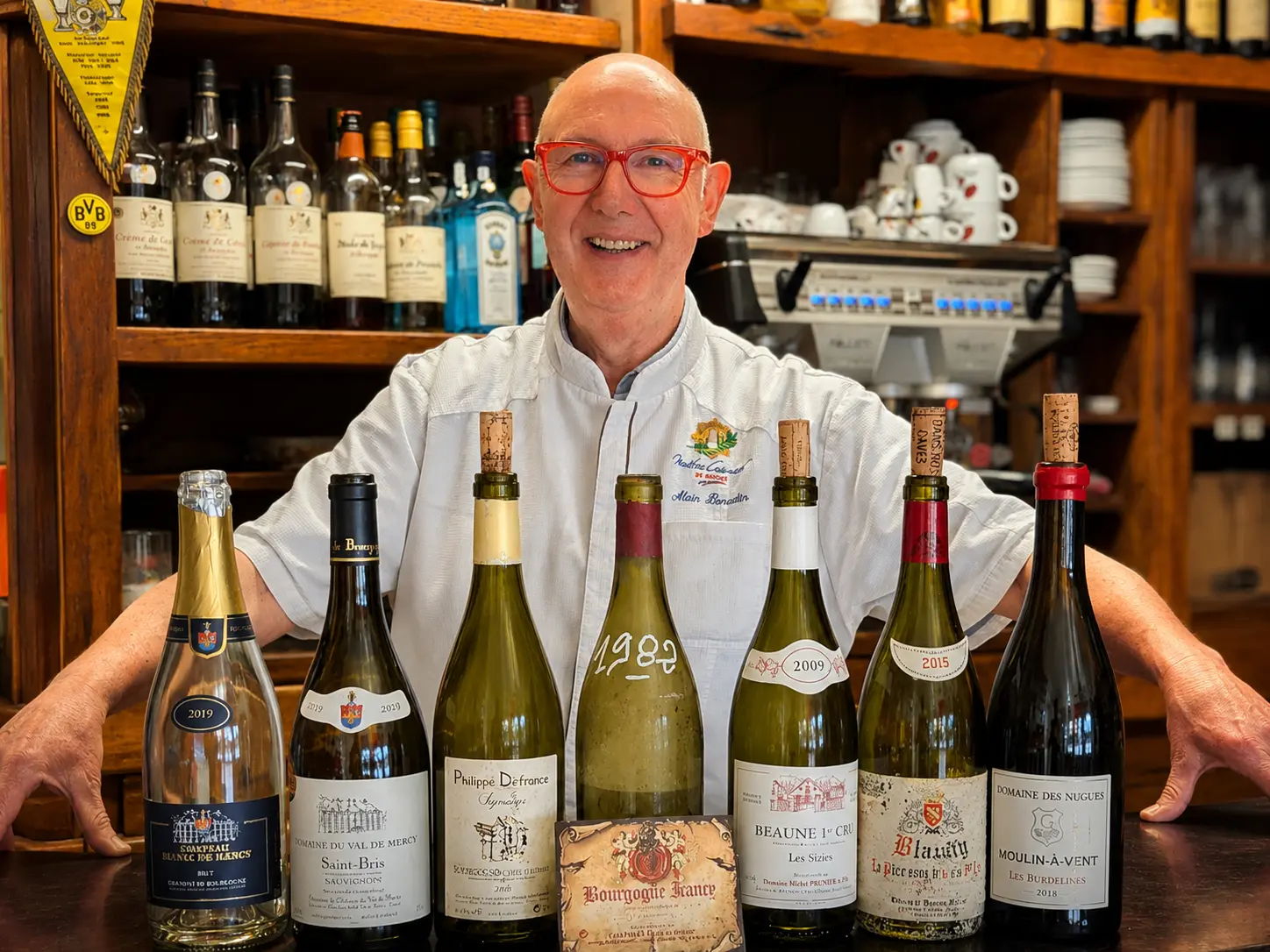
The growers are farmers with calloused hands, a few rows each, who know every vine. Once they trust the people we bring, the barrel samples come out.
The flavour of the place
Pinot Noir, Chardonnay, black truffle, and a mustard that clears your head.

The wine
Pinot Noir and Chardonnay at their most precise, from the flint of Chablis to Meursault and the Grand Crus of the Côte d'Or.
The truffle
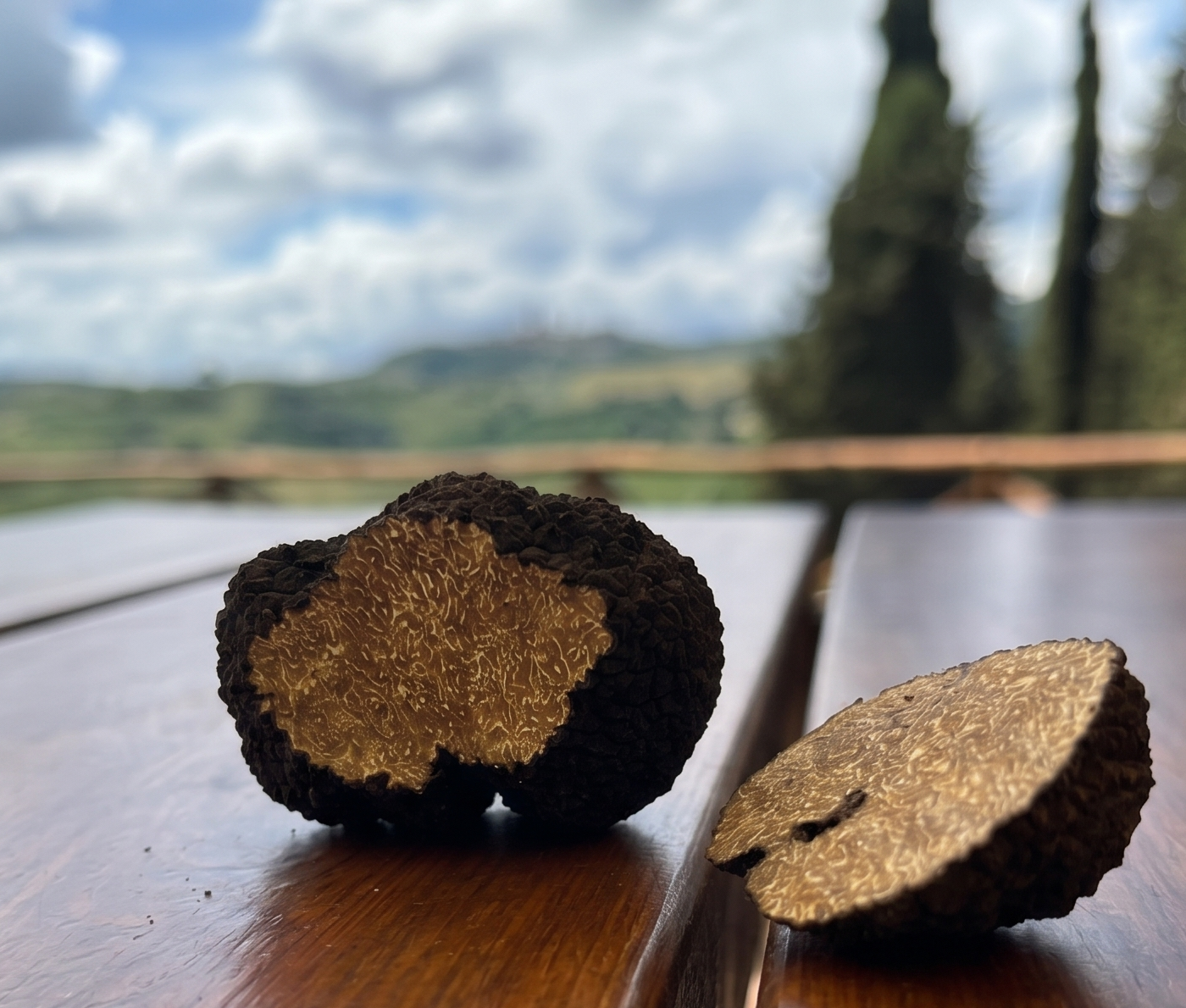
Black Burgundy truffle, hunted with a dog on a family farm and shaved over lunch the same day.
The mustard
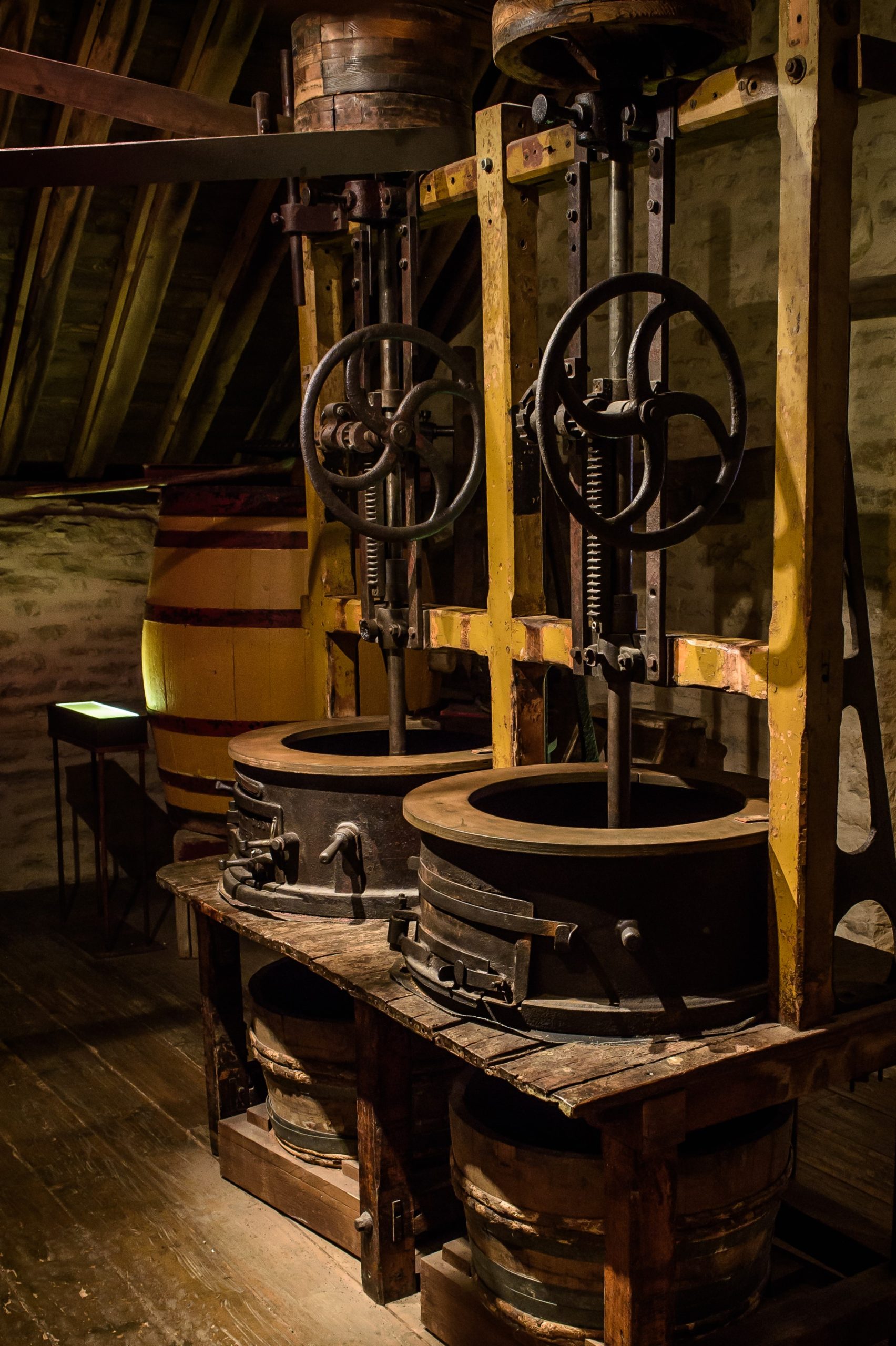
Real Dijon mustard, still stone-ground at the last independent mill, sharp enough to wake you up.
The table
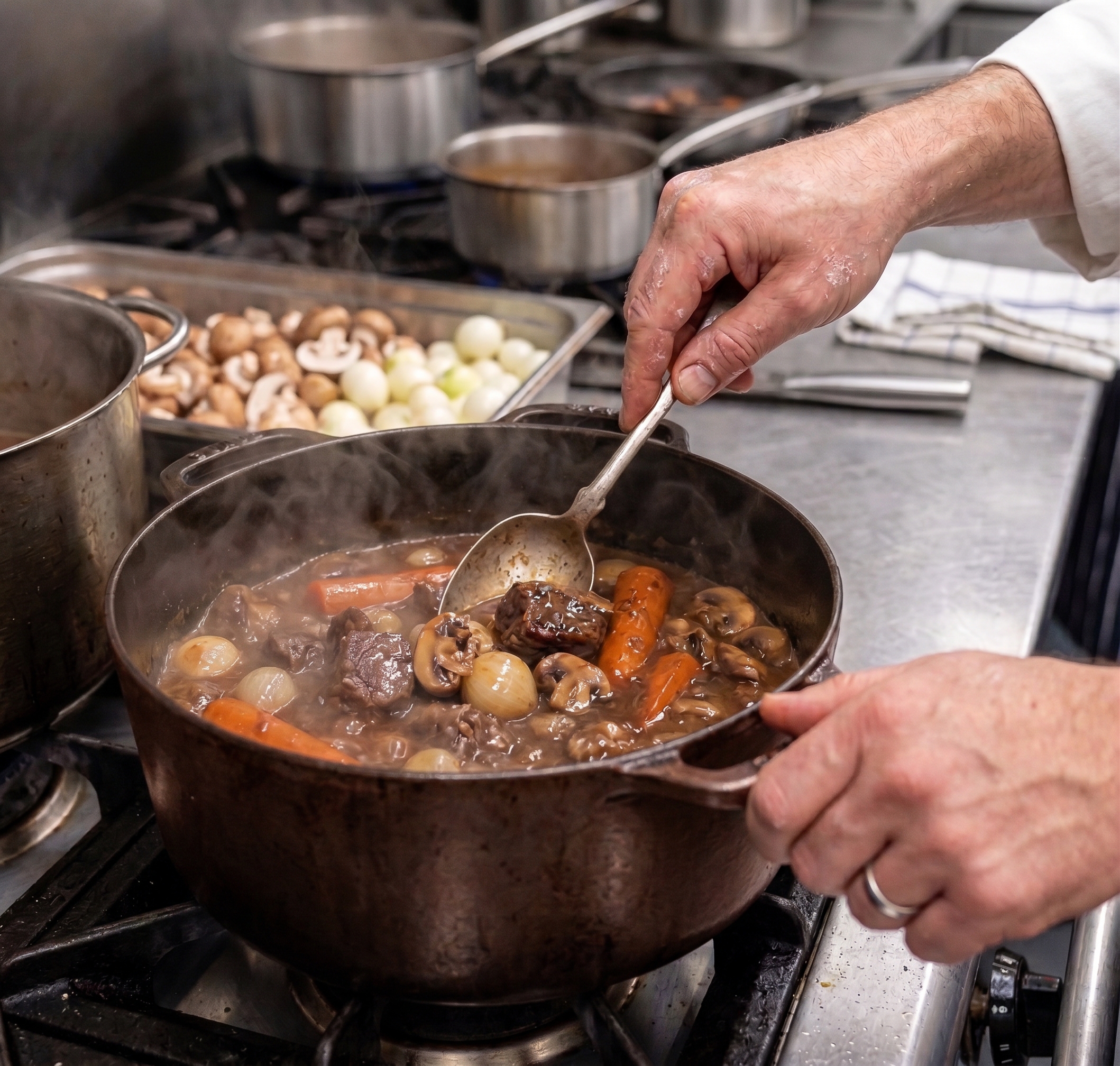
Boeuf bourguignon, escargots in garlic butter, Époisses cheese, and gougères warm from the oven.
Burgundy wine, in short
One region, a thousand Climats.
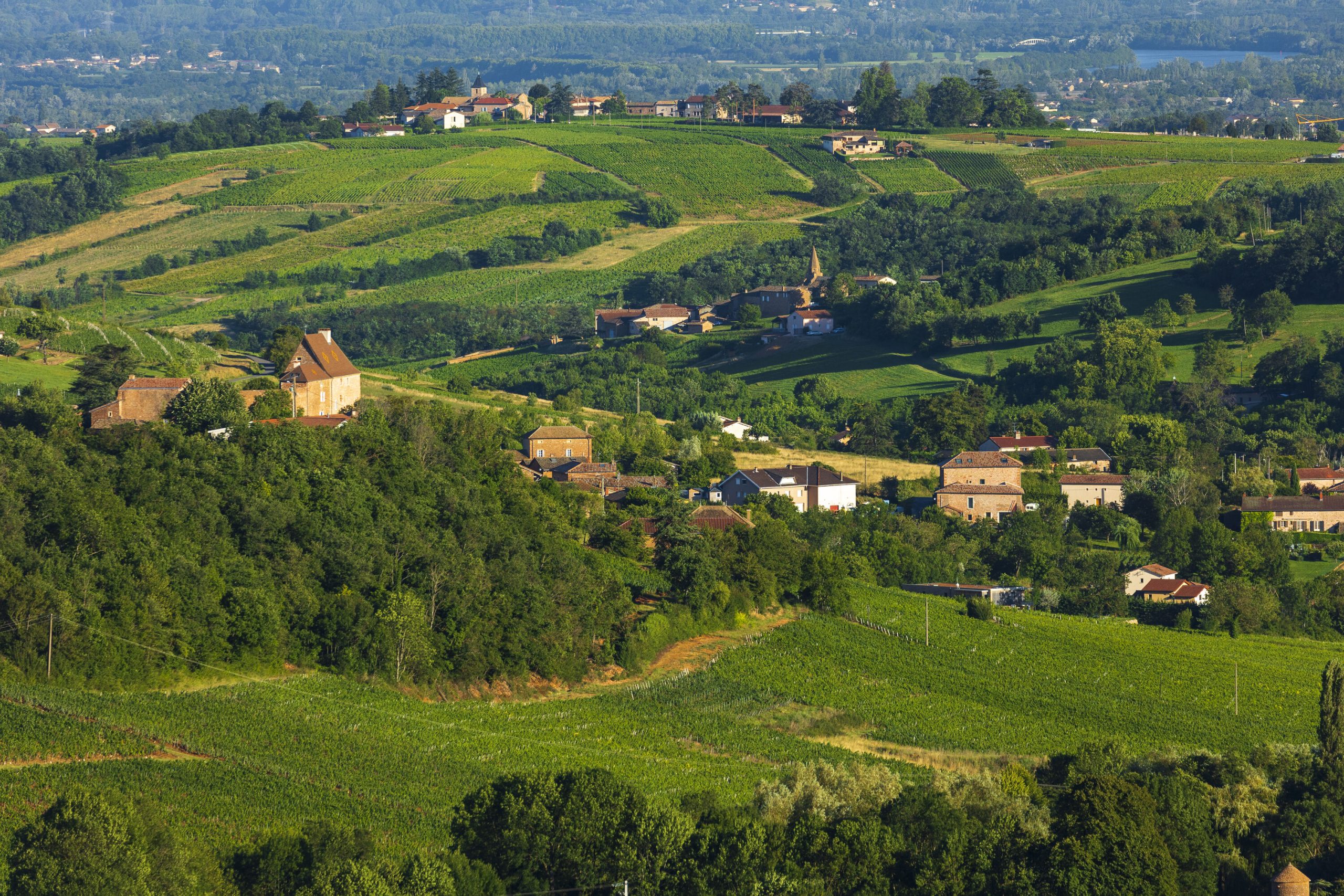
Burgundy runs in a thin line from Chablis in the north, down through the Côte de Nuits and the Côte de Beaune, to the Mâconnais in the south. Two grapes carry it: Pinot Noir for the reds, Chardonnay for the whites. What makes it singular is the Climats, the named plots that monks mapped over centuries and ranked from Village to Premier Cru to Grand Cru.
Read more
The reds of the Côte de Nuits, from Gevrey-Chambertin to Vosne-Romanée, and the whites of the Côte de Beaune, from Meursault to Montrachet, are for many the greatest on earth.
The full Burgundy vs Bordeaux story, and what a Climat really means, is on the blog.
One day, in detail
From morning to the last glass.
A real day from a recent trip, built from the producers and people we know here.
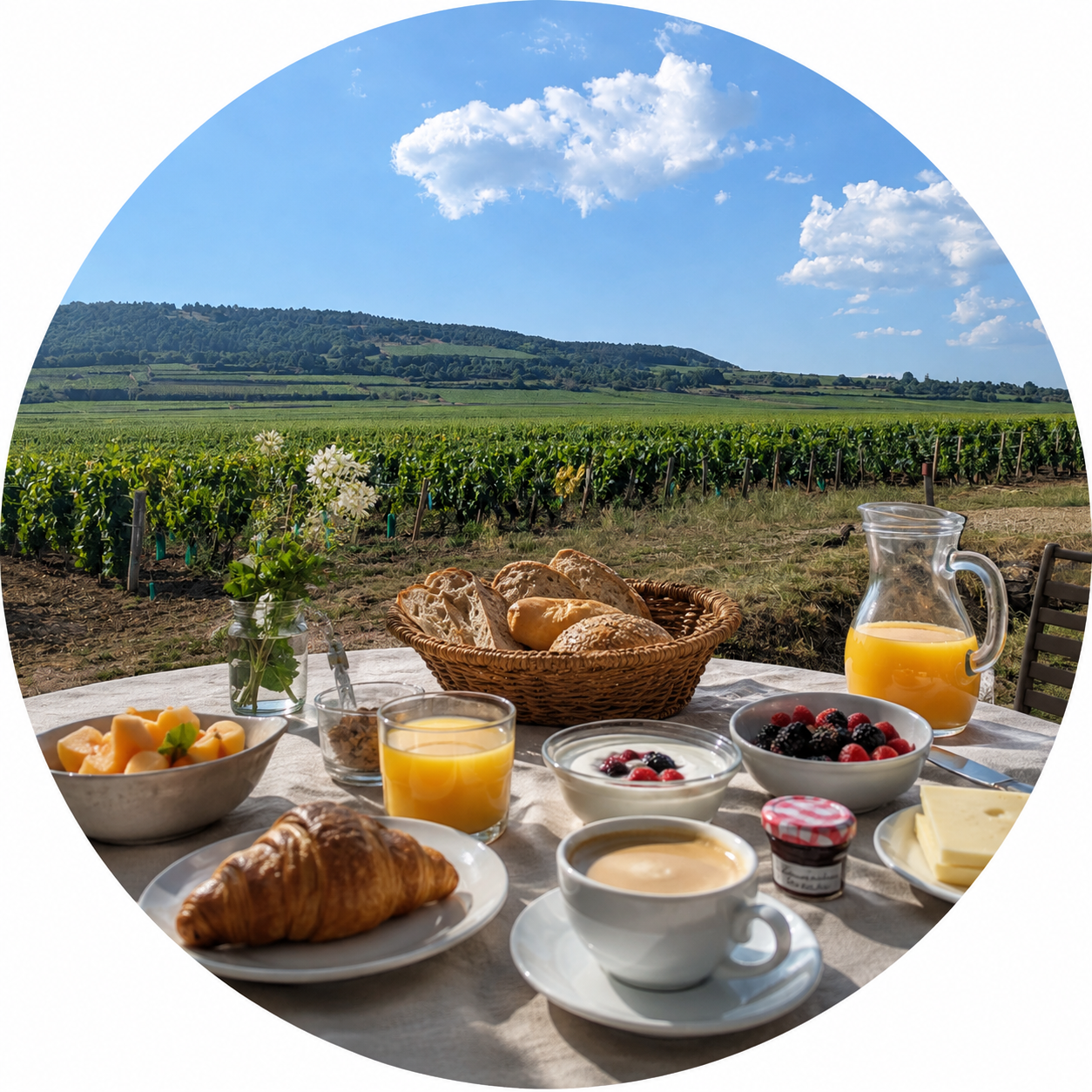
Coffee in Beaune, the market filling the square under the coloured tiles of the Hospices roof.
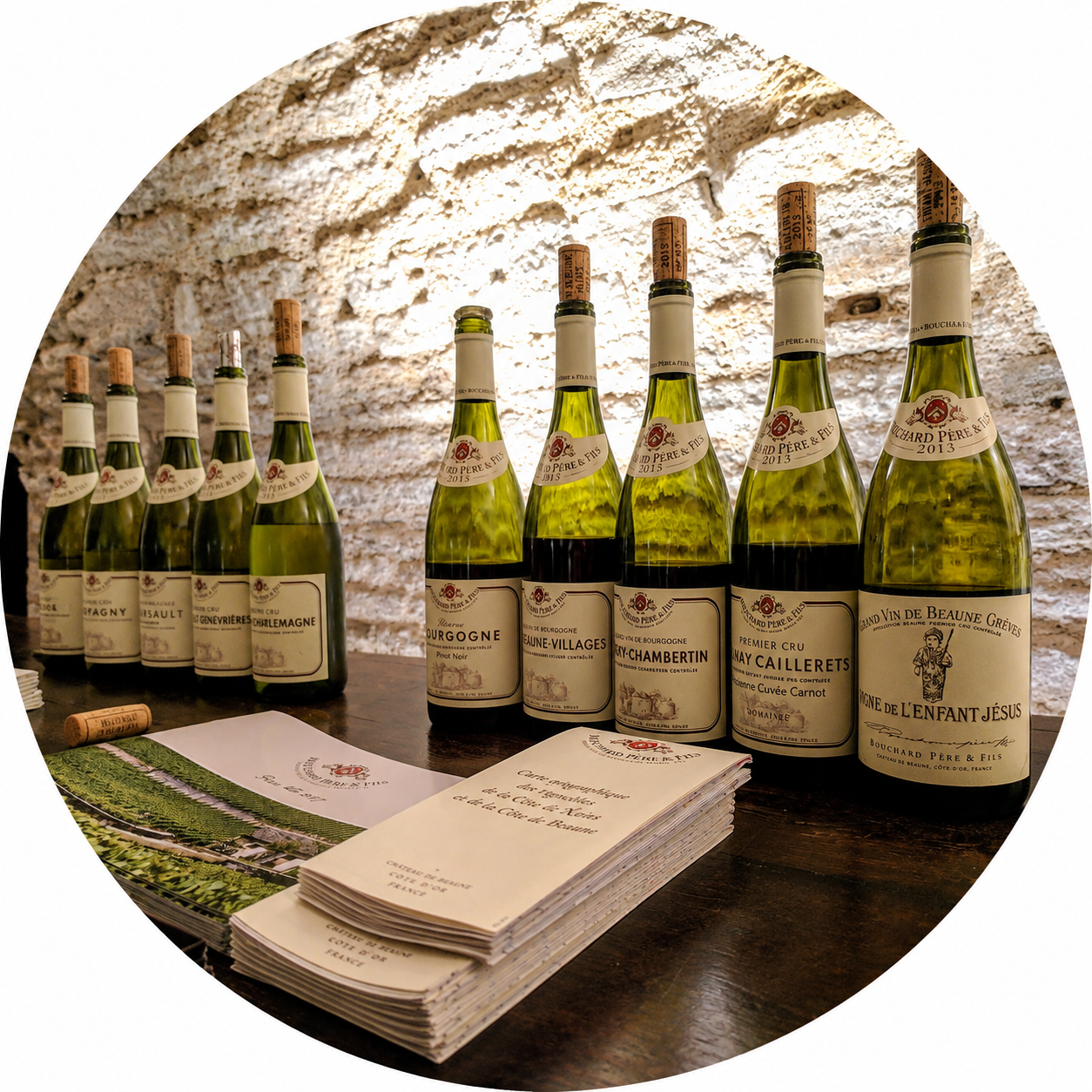
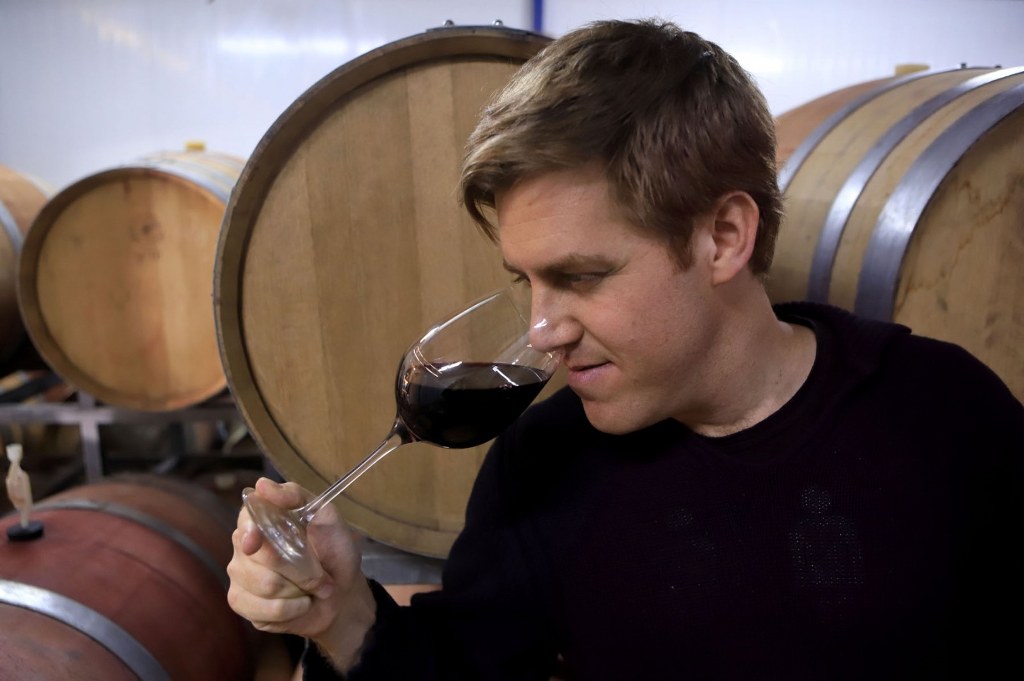
A grower in the Côte de Nuits pours Pinot Noir from the barrel. A few rows of old vines, a dog, calloused hands.
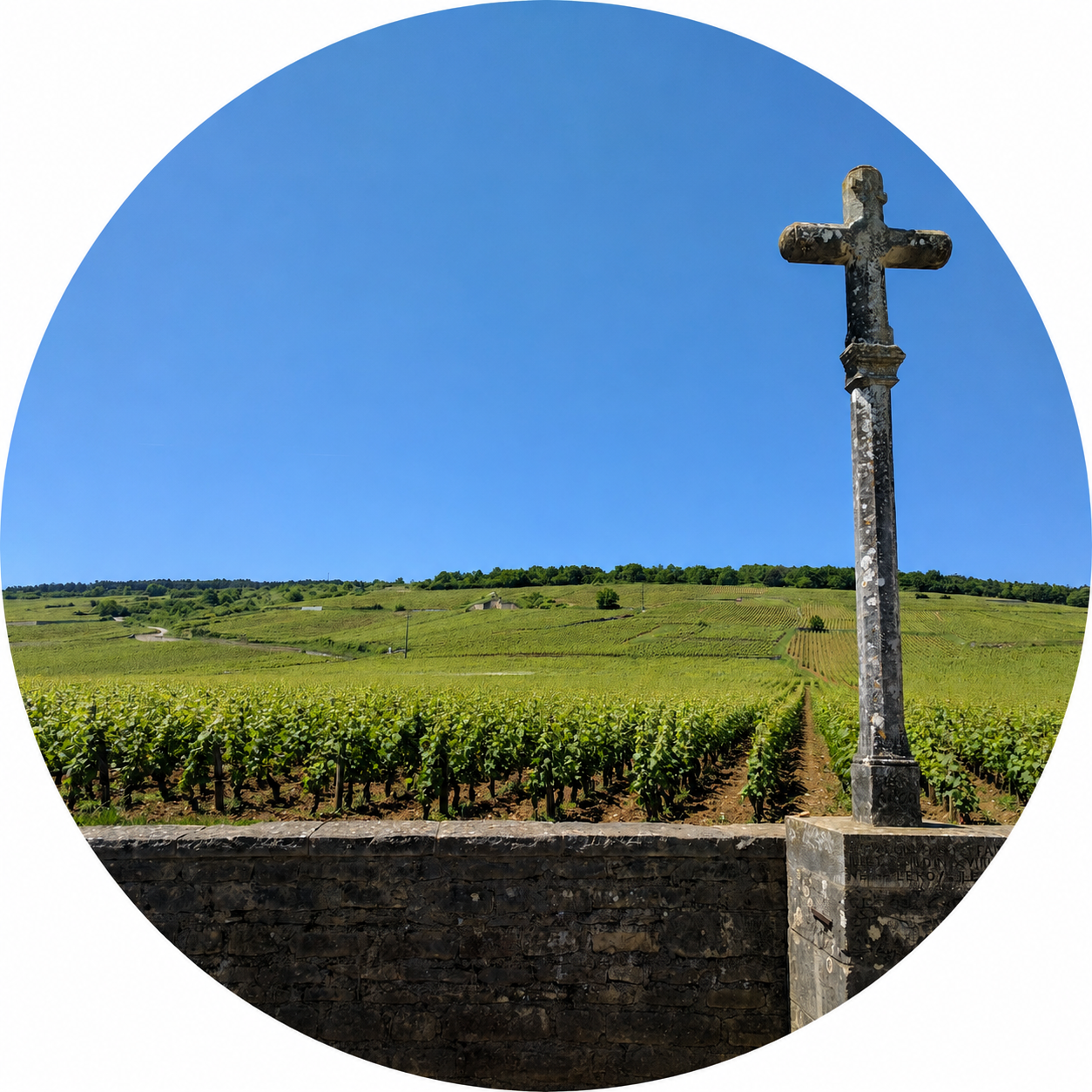
The gate of Romanée-Conti, then lunch on a family farm, black truffle shaved over eggs.
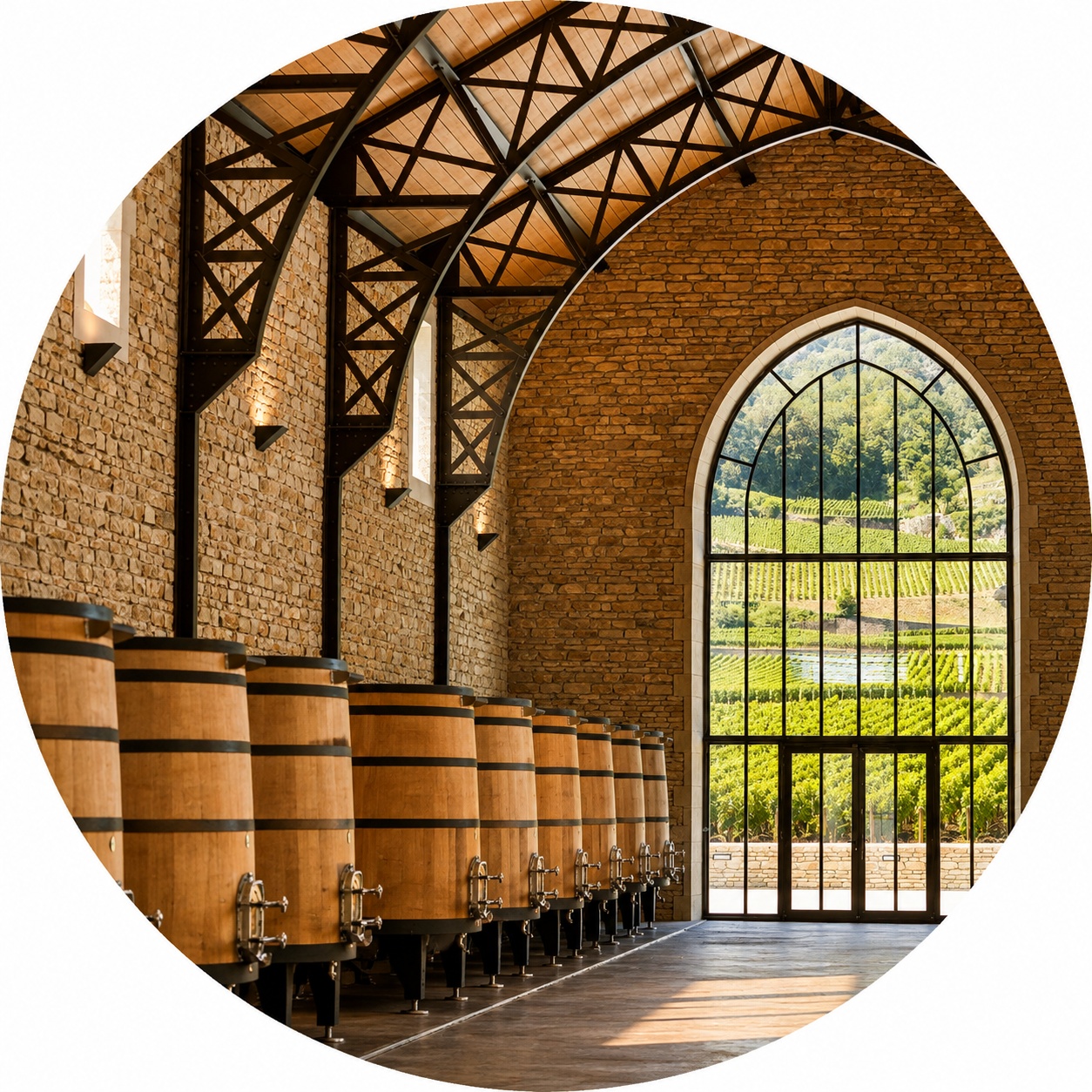
A cellar in the Côte de Beaune, a horizontal tasting of two plots a wall apart, side by side.
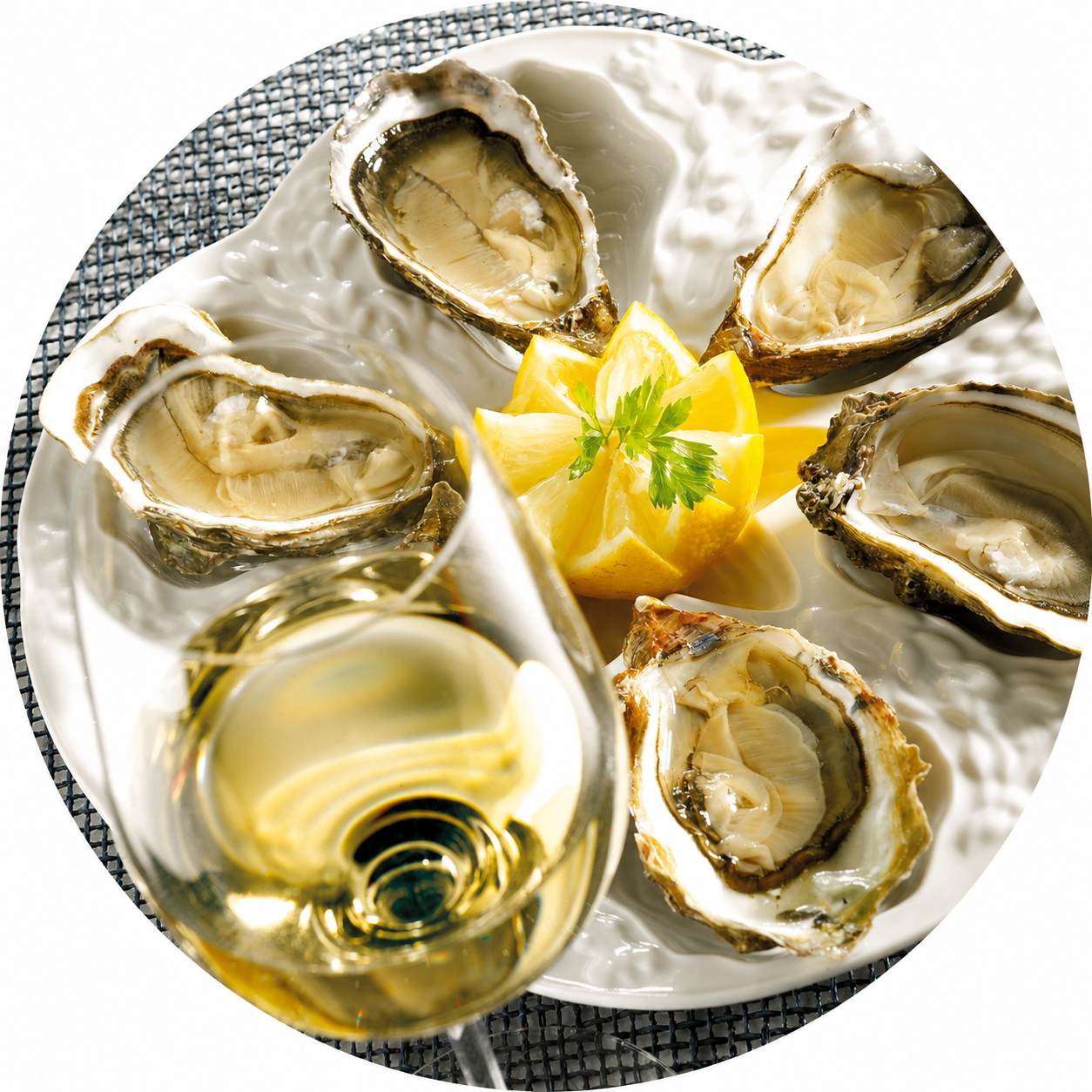
Dinner in Beaune, a Michelin room, or the wine bar where the growers taste the new vintage.
Who opens their doors to us here
Friends, twenty years in.

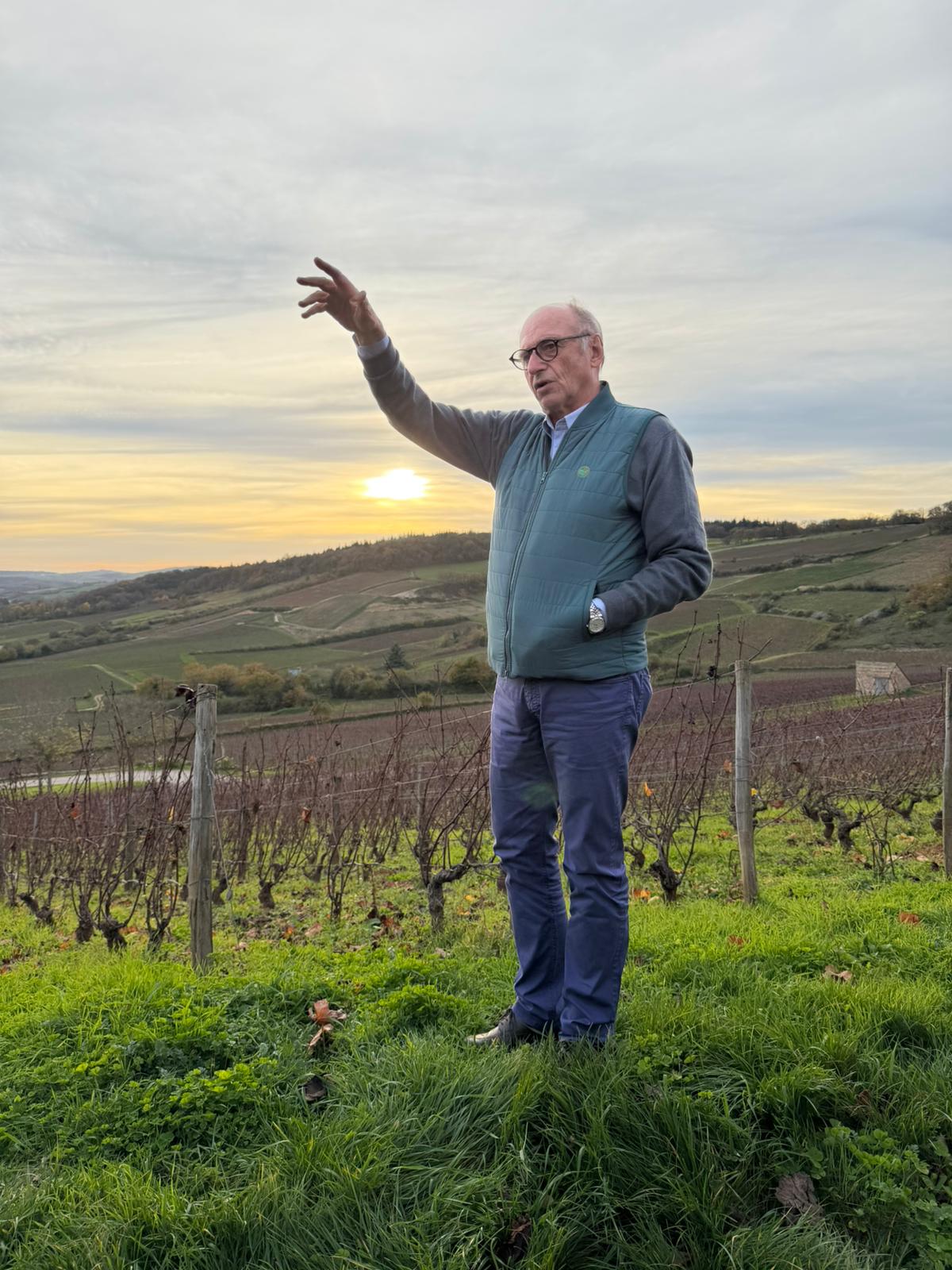
The grower with a few rows
who works a few rows of old vines and pours from the barrel once he sees you came to understand the wine, not just to drink it.
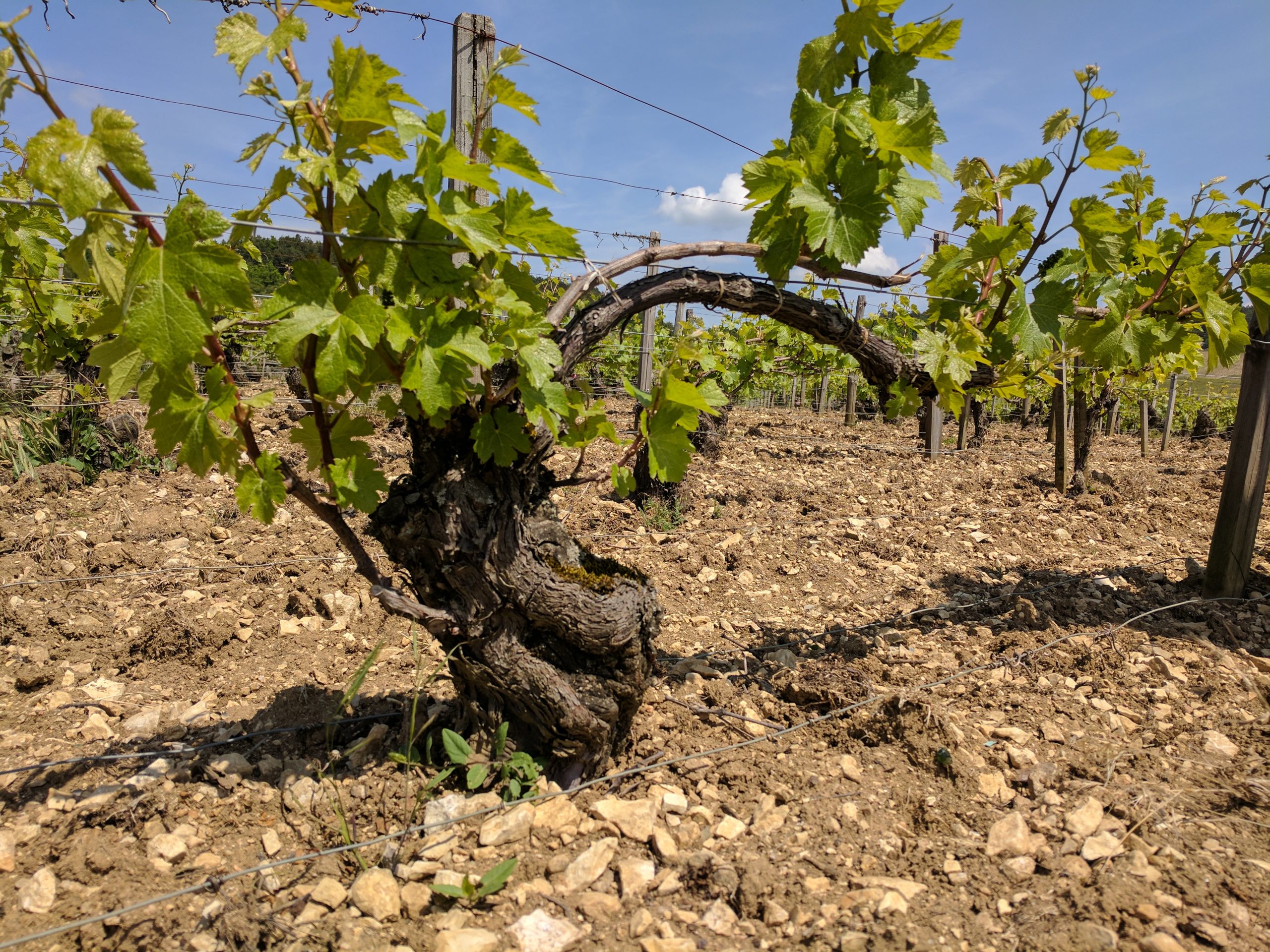
The great house in Beaune
aristocratic and biodynamic, with mules plowing between the Grand Cru rows.
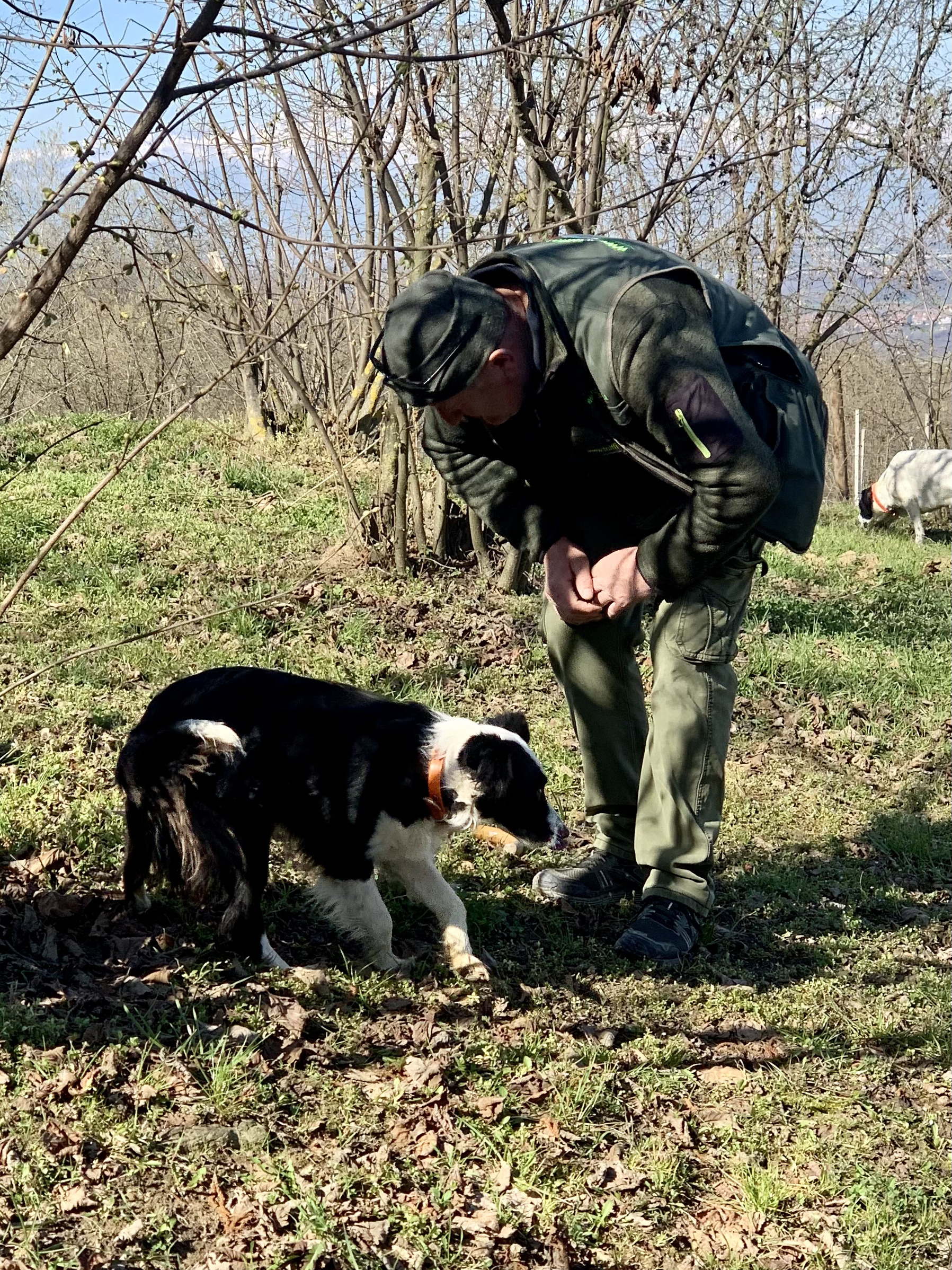
The truffle family
into the oak woods at dawn with the dog, the black truffle on your plate by lunch.
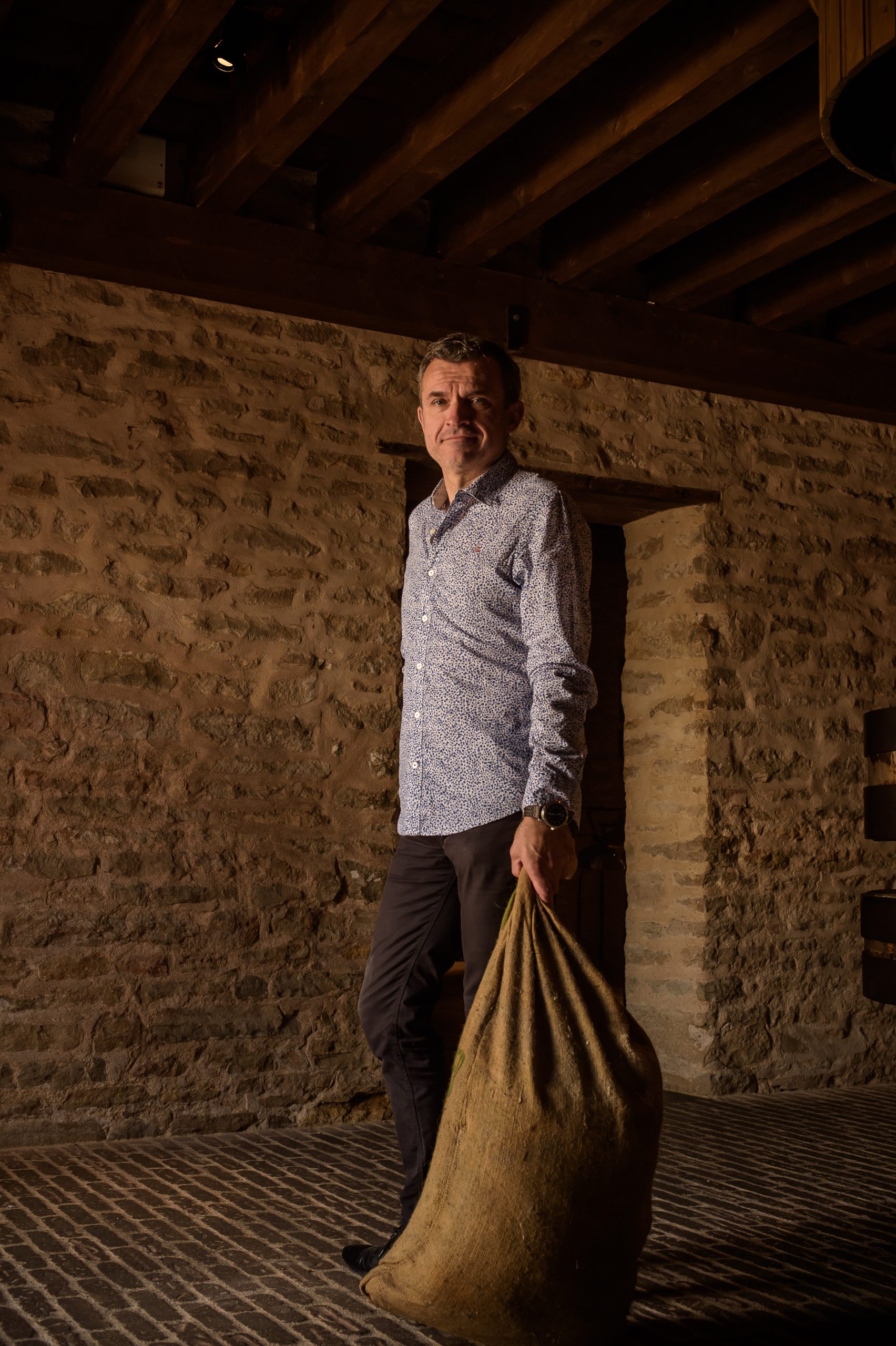
The last mustard mill
still grinding Dijon mustard on stone, tasted straight from the source.
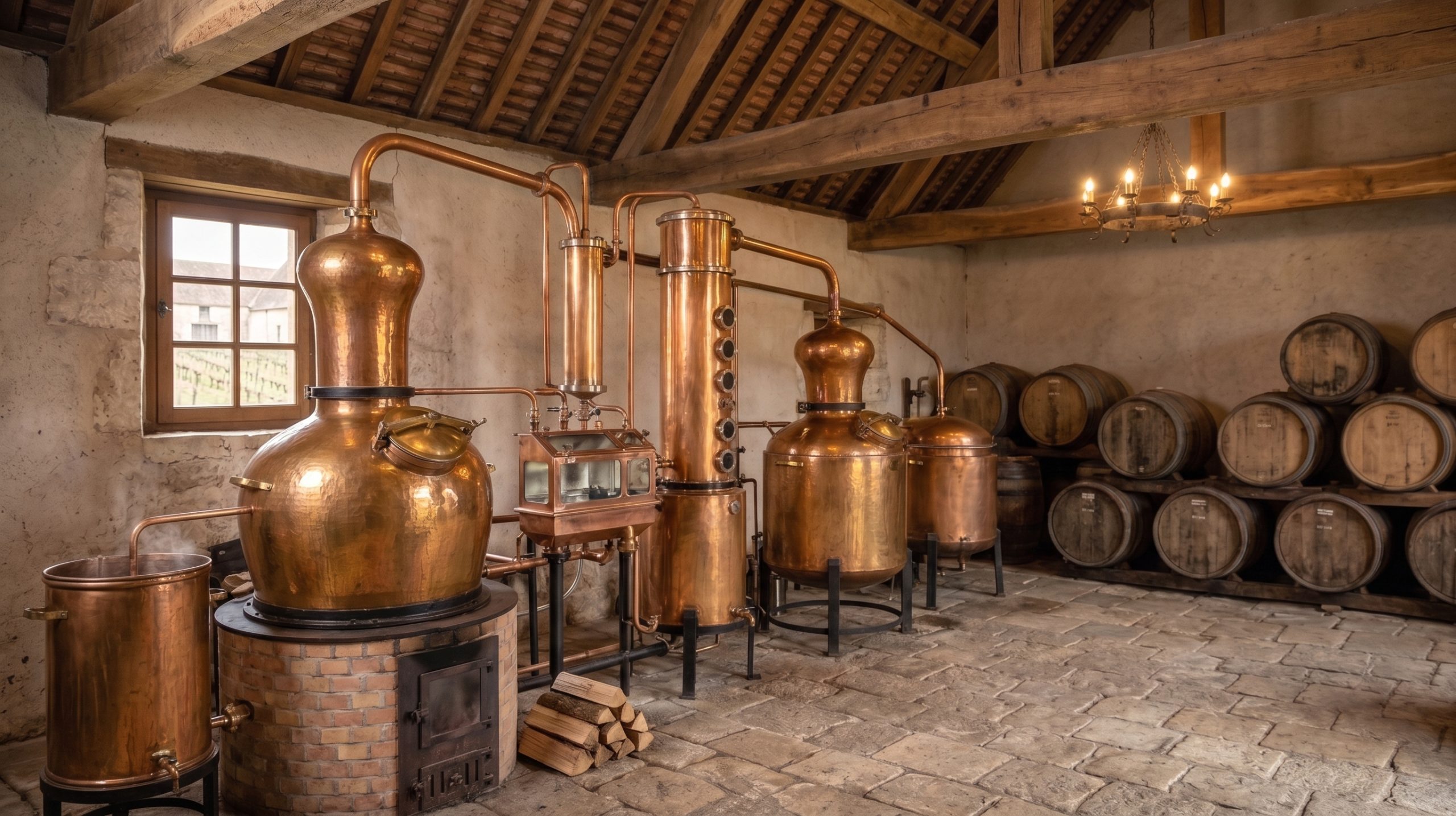
The Marc de Bourgogne distiller
turning the great houses' lees into Marc de Bourgogne in copper stills from the 1940s.
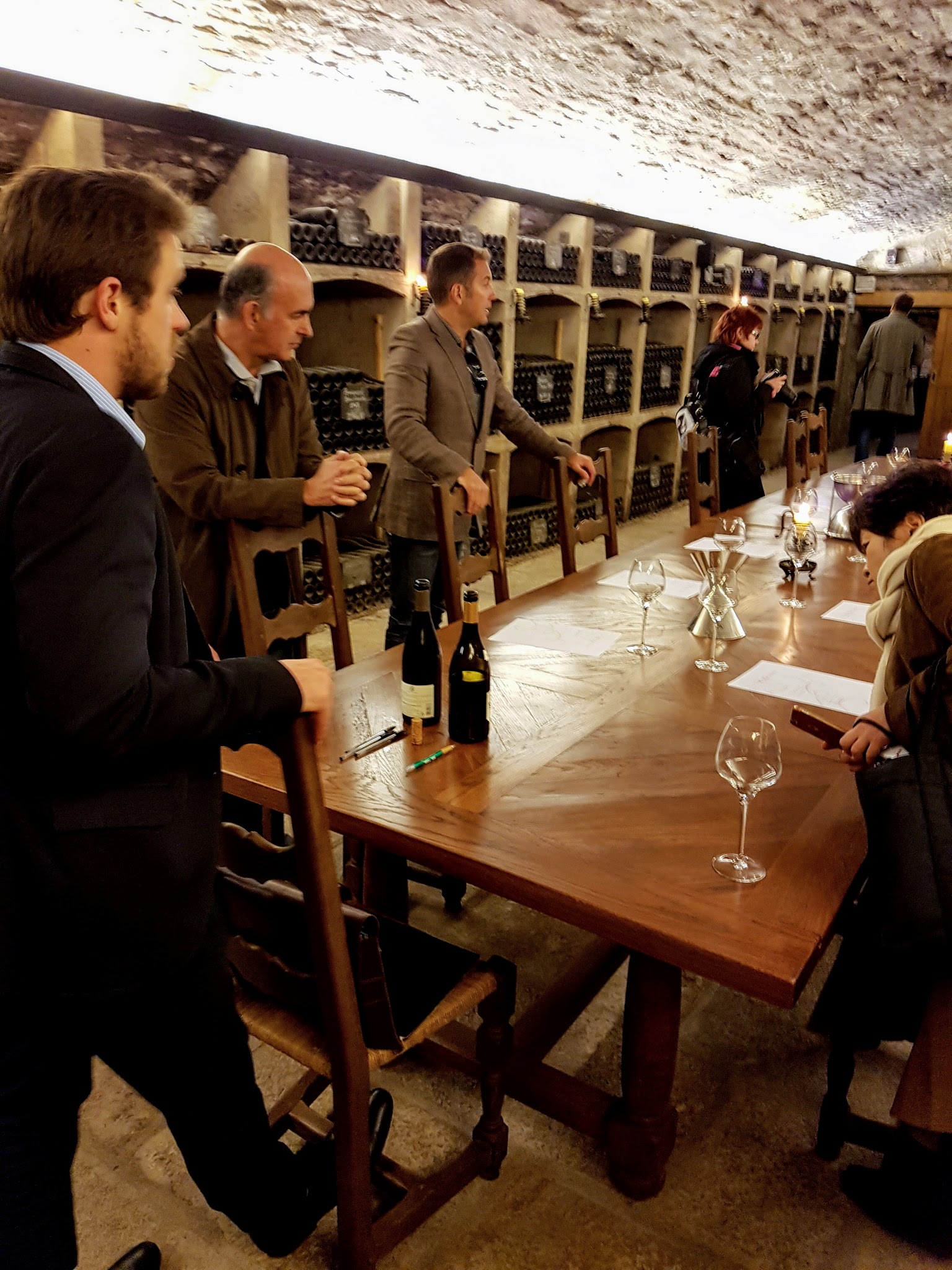
The domaine that never opens
a name from the auction lists, poured by someone from the family because you came with us.
When to come
Autumn is the pilgrimage. The others have their own case.
Spring
April – June
Green and quiet, the vineyards waking up, the cellars unhurried.
Summer
July – August
Long light and village fêtes, warm lunches under the vines.
Autumn
September – November
The big one. Harvest, the first black truffles, and the Hospices de Beaune auction on the third Sunday of November. Book a year ahead.
Winter
December – February
Cold and quiet. Coq au vin, boeuf bourguignon, and growers with time to sit and talk.
Burgundy vs Bordeaux
Which one fits you better?
The 2 great wine regions of France ask for different moods. Our private journeys are built either way.
Burgundy
The plot, and the small domaine
The feeling
Intimate and rural, obsessed with detail. Tiny family domaines and walled plots.
The wine
Pinot Noir and Chardonnay, single plots ranked one by one.
The landscape
The Côte d’Or, the walled Climats, and Beaune at the centre.
The food
Boeuf bourguignon, black truffle, Époisses, Dijon mustard.
Best for
Terroir obsessives, Pinot Noir and Chardonnay lovers, collectors.
Bordeaux
The château, and the city
The feeling
Grander and more formal. Great châteaux and a real city to base yourself in.
The wine
Powerful blends of Cabernet and Merlot from the great châteaux.
The landscape
The Médoc, the Gironde estuary, and grand estates in a line.
The food
Oysters, lamb, canelés, and the tables of Bordeaux city.
Best for
Lovers of grand estates who want a city base.
Meet REAL BURGUNDY
The Burgundy of the auction lists, and the one we bring you into.
Start with who is coming, and roughly when. Then tell us the one bottle, or the one cellar, you would most like to find yourself in. From there we sketch a week and shape it with you, one call at a time, until it fits nobody but you.
Someone real answers, usually the same day.
Burgundy at a glance
The shape of a trip, in short.
- Ideal trip length
- 6 to 7 days is the sweet spot on the Côte d’Or. 5 at a minimum, more with Chablis or the Mâconnais added.
- Best seasons
- autumn for harvest, black truffle and the Hospices auction. Late spring for green and quiet.
- Closest airports
- Lyon (LYS) about 1h30 and Geneva (GVA) about 2h, or the TGV from Paris to Dijon in 1h40.
- Wine focus
- Pinot Noir and Chardonnay, across Chablis, the Côte de Nuits, the Côte de Beaune and the Mâconnais.
- Culinary focus
- black truffle, Dijon mustard, boeuf bourguignon, escargots, Époisses, and Michelin tables.
- Trip style
- private and tailor-made, with insider access to small growers and great houses alike.
- Best for
- collectors, Pinot Noir and Chardonnay lovers, and terroir obsessives.
A few things people ask
About a trip to Burgundy.
What is the difference between Burgundy and Bordeaux?
Burgundy is single-plot and single-grape: Pinot Noir for reds, Chardonnay for whites, from tiny domaines. Bordeaux is blends of Cabernet and Merlot from large châteaux. Burgundy is intimate and rural, Bordeaux grand and formal.
What is a Climat, and why does terroir matter so much in Burgundy?
A Climat is a named vineyard plot with its own soil, slope and history, mapped over centuries. Two plots a wall apart can make wines that taste, and cost, worlds apart. It is the deepest terroir study in wine.
What is the difference between Premier Cru and Grand Cru?
Both rank the plot, not the producer. Grand Cru is the top tier, the finest slopes, roughly 1% of Burgundy. Premier Cru sits just below. Village and regional wines come from broader areas.
What wines should we taste in Burgundy?
Pinot Noir from the Côte de Nuits, Chardonnay from the Côte de Beaune, flinty Chablis, and if you can, a Grand Cru from either colour. We taste them where they are made.
Can we visit the famous names?
The accessible great houses, yes, alongside the small growers we have known for years. The tiny legends like Romanée-Conti are not open to visits, but we stand at the gate, and that is its own moment.
Is Burgundy or Bordeaux better for wine lovers?
Burgundy for terroir obsessives and Pinot Noir and Chardonnay lovers. Bordeaux for lovers of grand estates and a city base. Many who love one come back for the other.
Is a Burgundy wine tour worth it?
It can be as quiet or as grand as you want. What you pay for is the small grower’s cellar you could not find alone, and the table you could not book yourself.
Do we need to be wine experts?
No, though Burgundy rewards curiosity more than anywhere. You will leave understanding why one wall changes the wine, because you tasted it.
When is the Hospices de Beaune auction?
The third Sunday of November, the high point of the Trois Glorieuses weekend. Rooms in Beaune book a year ahead for it.
Are private winery visits possible?
That is the heart of what we do. Most visits are private, with the grower or the house, including cellars that do not open to the public.
Can we drive ourselves in Burgundy?
You can, the distances are short. Most guests prefer we handle it, so the grower can keep pouring and you can keep tasting.
When should we start planning?
4 to 6 months out. For harvest and the November auction, start 8 to 12 months ahead. The best small hotels and domaines fill early.
What are the grapes of Burgundy?
Almost all of it is Pinot Noir for the reds and Chardonnay for the whites, with a little Aligoté and Gamay. The magic is what the plot does to those 2 grapes.
What is there beyond the wine?
Black truffle hunts, the Dijon covered market, the last stone mustard mill, a Marc de Bourgogne distillery, cheese and charcuterie, and some of France’s best tables.
Where do we stay in Burgundy?
A boutique or 5-star hotel in Beaune, the heart of it all, or a village house among the Climats.
What is the best time to visit Burgundy for wine?
Autumn for harvest, truffle and the auction. Late spring is the calm, green alternative. We travel here in winter too, for the cellars and the long lunches.
How physical are the days?
Gentle. Some walking through vineyards and old towns on uneven stone, an optional dawn truffle hunt, otherwise short drives and long lunches.
Should we combine Burgundy with anywhere else?
Often, yes. Champagne sits a short way north, and Beaune is well placed for a few days added on either side.
Designed by Vinspiration
Built by hand, by the two of us.
Every Burgundy journey is built by hand by the two of us, from relationships with growers we have kept for years, not from a catalogue.

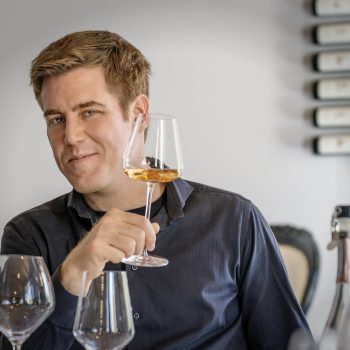
Guy Haran
Founder & CEO Twenty years building wine journeys across Europe. A Riedel ambassador and WSET-trained wine educator, author of the book Wine Journey and host of the Wine is Basic podcast. The friendships that open the cellar doors from Chablis to the Côte de Nuits are his, built one harvest at a time.
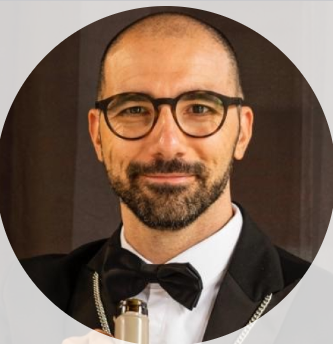
Mor Koral
Partner & Experience Director An MSc in Gastronomy from the University of Gastronomic Sciences in Pollenzo, the Slow Food university. She shapes the rhythm of every Burgundy trip: which grower you meet, which lunch runs long, where the truffle and the table take over from the tasting.